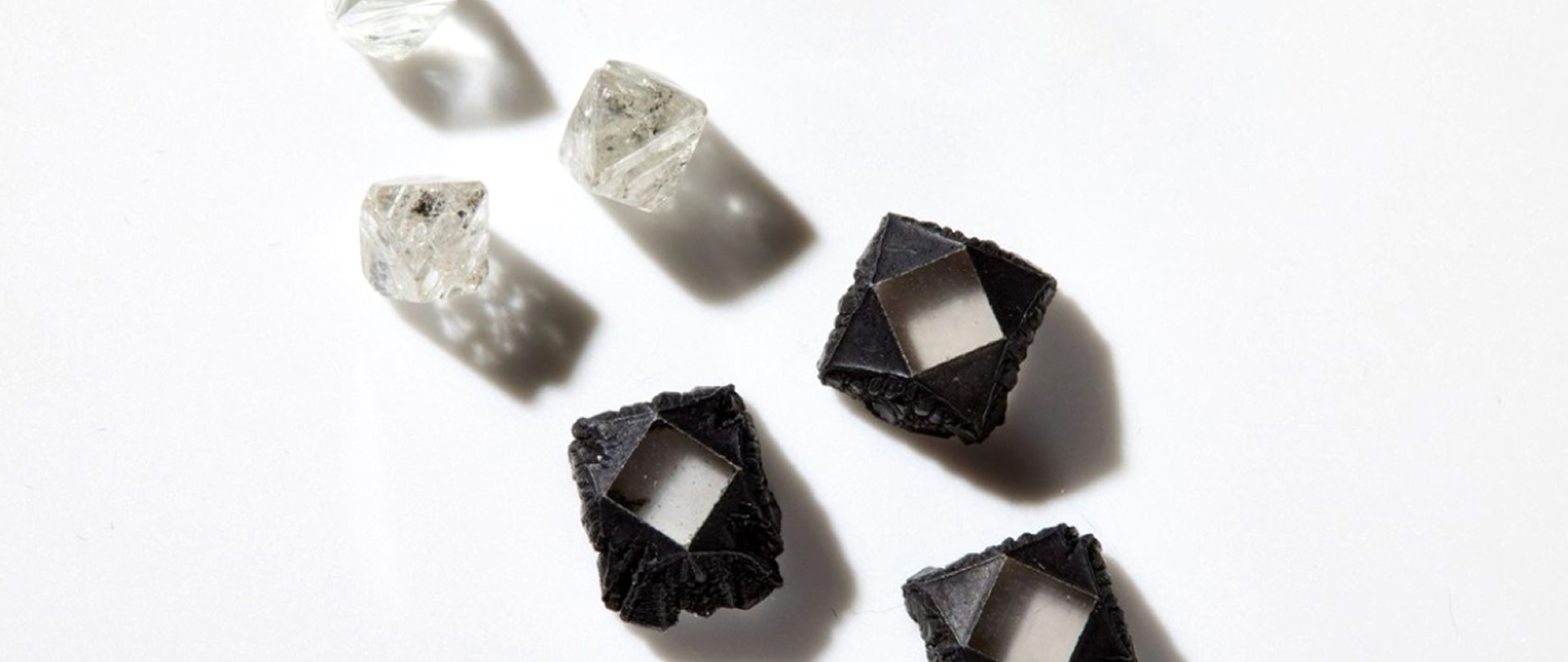
If two polished diamonds of roughly the same size and shape were placed in front of you, would you be able to tell the difference between the laboratory-grown diamond (LGD) and the natural diamond?
The reality? No. As the fundamental structure of both is identical, the way they shine and sparkle is also the same. In fact, you’ve probably seen plenty of LGD jewelry without even realizing it. While LGDs have been around since the 1950s1, production of gem-grade material has accelerated in the last decade, meaning they are now available in abundance.
And while LGDs have positioned themselves as the more affordable and environmentally friendly (or ‘ethical’) option, the reality is a little more nuanced. Let’s dig a little deeper.
The cost of LGDs
To better understand the real cost of LGDs vs natural diamonds, it’s important to understand their origins. What’s the real difference between natural diamonds and lab-grown?
Natural diamond formation happens deep within the Earth between 90 million and 3.5 billion years2 ago, under intense heat and pressure far below the Earth’s surface in the mantle. It’s this formation process that creates the unique set of clarity features in natural diamonds that sets every single crystal apart, resulting in the one-of-a-kind gemstones we know and love.
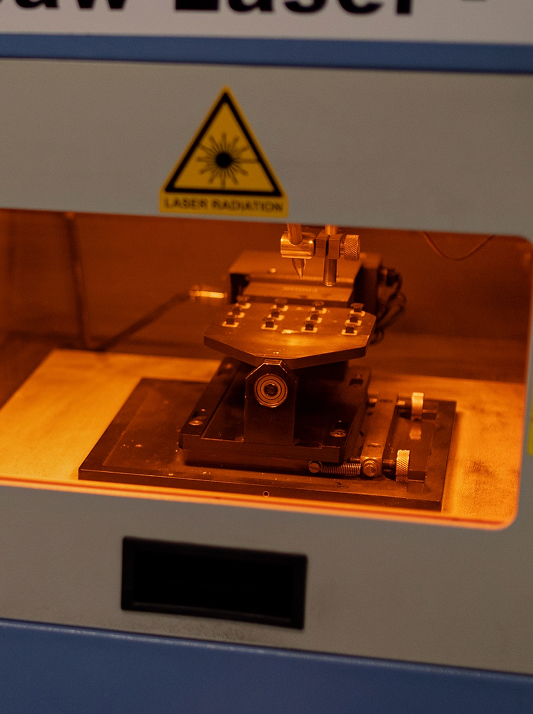
LGDs on the other hand can be produced in a few hours to a few weeks, using one of two main technologies: the High-Pressure High Temperature (HPHT) method and Carbon Vapor Deposition (CVD)3. The ease at which LGDs can be manufactured means mass production is possible, taking away the element of rarity and uniqueness traditionally associated with diamonds. Because the manufacturing cycles are shorter, and their supply isn’t limited (like it is with natural diamonds), LGDs are considerably less expensive to purchase at wholesale, with prices just above manufacturing cost – a stark contrast to natural stones, where factors like diamond clarity play a key role in value.
When did lab-grown diamonds start: the shaky beginning
LGDs were first produced in 1953 by ASEA in Sweden, but were first pushed out commercially by General Electric several years later as a vital industrial material, initially for the tooling of military armaments and later for automobile manufacture. The material they created was unsuitable for jewelry.
It wasn’t until the 2000s that colorless LGDs emerged and could be produced commercially in large quantities. Since then, advancements in technology and lower production costs have contributed to an explosion in the supply of LGDs; a tenfold increase since 20184.
Environmental impact of lab grown vs natural diamonds
In the debate of LGDs vs natural diamonds, energy consumption often comes up as a major consideration, with LGDs often hailed as the more ‘sustainable’ option.
In truth, diamond sustainability is far more nuanced. The life-cycle emissions of LGDs can vary substantially depending on how and where they are made. While across the world, specifically in the Asia-Pacific region, renewable energy is increasingly being considered as a method for the creation of LGDs, for the most part, the process requires large amounts of energy, water and fossil fuels to power and cool machinery. Nickel, iron and cobalt are usually part of the process too, so it’s not technically a mining-free process5.
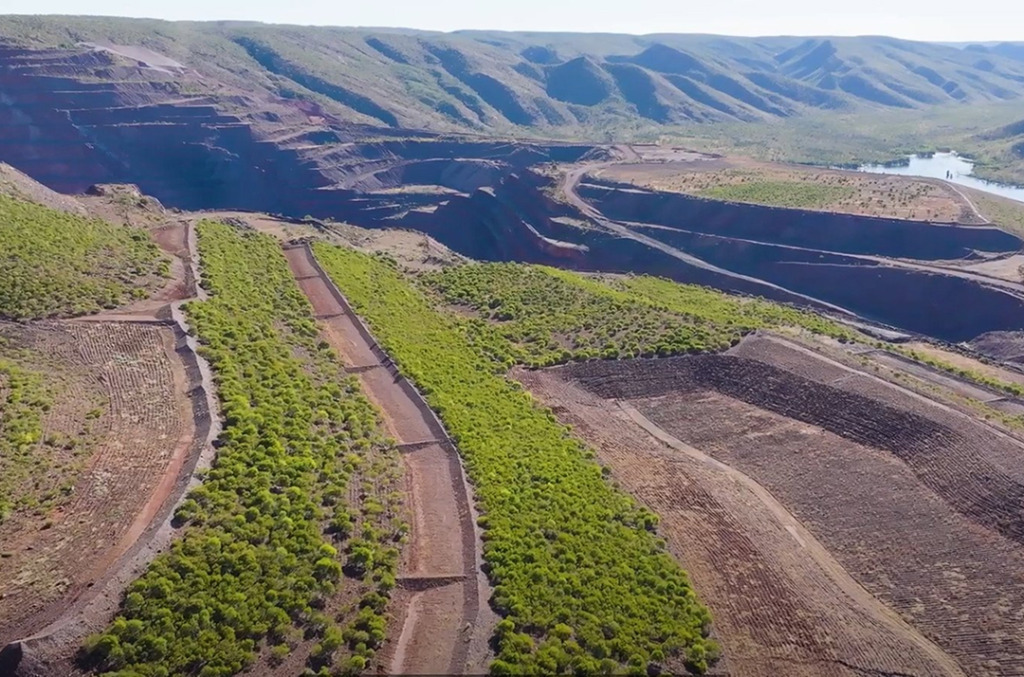
Meanwhile, most major diamond companies within the natural diamond industry employ multiple initiatives to reduce the impact of mining within their operations, from transiting and renewable energy to recycling of water. As audited members of the Responsible Jewellery Council, companies such as Rio Tinto and De Beers Group work to ensure their operations adhere to the rigorous standards the council imposes, as well as applying their own stringent auditing process. Currently, as much as 99% of the waste from diamond recovery is rock, and 84% of the water used in diamond recovery is recycled6.
Diamond companies are also required by law to plan for a mine closure before it’s even opened. Meaning diamond mines require a specific environmental ‘rehab plan’, with funding set aside, that aims to rehabilitate the land and return it to sustainable community use afterwards.
Another important consideration when weighing up LGDs vs natural diamonds is the impact on local communities. Today, more than 10 million jobs worldwide rely on the production of natural diamonds, with many countries undergoing enormous transformations as a result.


Botswana, for example, was one of the world’s least developed countries in 1967 when its first major diamond deposit was discovered. It is now a thriving nation with free education and world-class healthcare, thanks to natural diamond revenue alone. Yet, in diamond-rich countries such as Botswana and Namibia, economies supported by natural diamonds are being negatively impacted by the rise of LGDs.
The emotional significance of a diamond
When you consider something a savvy investment, do you only take its financial value into account? When you weigh it up, there are plenty of other factors to consider too, such as cultural and symbolic importance, alongside emotional value; an heirloom to pass onto future generations. Time has told us that it’s the rarity of a natural diamond and its unique journey that lends it that unrivalled sentimental value and underpins the emotional significance of a diamond.

The value of lab grown vs natural in the long term
Imagine you and a friend have decided to invest in diamonds. While you’ve opted for a natural diamond, they’ve chosen an LGD. They’ve spent significantly less than you have, making you wonder if they’ve made a more cost-effective choice. But does the ‘affordability factor’ guarantee that their purchase is sustainable? Not necessarily.
In fact, research suggests that LGDs often have a lower to no resale value7 with factors such as steep depreciation, lower demand in the secondary (resale market) and an overabundance of similar products all contributing to the decline in cost. And while it’s impossible to say resolutely what the future holds for diamonds in either form, resale value and longevity are important factors to keep in mind before purchasing a diamond.
Ultimately, the choice between LGDs and natural diamonds lies with you, and your priorities. If you’re looking for an inexpensive, sparkly gemstone and feel less concerned about a its origin, rarity or heirloom potential, you might consider an LGD. But if it’s an investment-worthy piece steeped in rarity and history that could one day turn into a treasured piece to hand down to future generations; the choice must be a natural diamond. After all, a diamond is forever.
Sources
- https://4cs.gia.edu/en-us/simulants-moissanite-and-lab-grown-diamonds/ ↩︎
- https://www.gia.edu/gems-gemology/fall-2024-diamond-reflections/ ↩︎
- https://4cs.gia.edu/en-us/simulants-moissanite-and-lab-grown-diamonds/ ↩︎
- https://web-assets.bcg.com/the-future-of-the-natural-diamond-industry/ ↩︎
- https://www.naturaldiamonds.com/diamond-facts-full-report/ ↩︎
- https://www.naturaldiamonds.com/diamond-sustainability/environmental-protection/ ↩︎
- https://varniya.com/do-lab-grown-diamonds-hold-value/ ↩︎


