
There’s a particular kind of light just before a sunset — whether over desert dunes or during the golden hour of a festive evening — when deep gold gently slips into peach, and then softly dissolves into rose. That blushed, molten light is fleeting and rarely looks the same twice. Natural Sunset Blush diamonds carry that very same ethereal quality. Their colour lives gracefully in the pink-to-peach spectrum: deeply warm, with an inner luminosity that shifts effortlessly with the light around them.
In a culture rich with a long-standing appreciation for warm gold jewellery and vibrant coloured gemstones, these rare stones offer a fresh, modern expression of classic luxury. These are natural Desert diamonds (opens in a new window) classified by the GIA as Light Blush to Peach, soft enough to wear every day, yet distinctive enough to stop a room. They sit at the most romantic end of the Desert diamond palette, an emerging luxury category capturing the imagination of discerning Indian consumers. Shaped entirely by the earth, each gem is a naturally warm-toned masterpiece, unrepeatable by definition.
Sunset Blush diamonds: nature, culture and timeless appeal
While India has celebrated a long-standing appreciation for vibrant, coloured gemstones throughout its rich jewellery heritage, natural coloured diamonds occupy a tier of rarity all their own. Unlike traditional precious stones, these extraordinary miracles of nature — including the much sought after blush diamonds — are exceptionally rare, making their discovery a monumental event in the world of high jewellery.
Few people understand the power of a pink-toned diamond better than Laurence Graff. In 2010, the British diamantaire bid by telephone from his chalet in Gstaad and paid $46 million at Sotheby’s Geneva for a 24.78-carat Fancy Intense Pink diamond1.
At the time it was the most expensive single jewel ever sold at auction. The gem had been quietly held by a private collector for 60 years since Harry Winston sold it in the 1950s2. Nobody had even given it a name. The moment the hammer fell, the billionaire businessman named it the Graff Pink and described it as the finest pink-toned diamond he had seen in his entire career, one so exceptionally rare and magnificent that he doubted anything would ever compare3.


Accessible rose-toned natural Blush diamonds
While museum-grade pinks remain the reserve of auction houses and private collectors, Sunset Blush diamonds offer an attainable entry into this exceptional category. These rose-toned diamonds bridge the gap between unattainable showpieces and wearable luxury, a distinction that has not gone unnoticed by Indian bespoke jewellers, who are increasingly offering customised coloured diamond jewellery.
Sunset Blush sits at the rose-to-peach end of the Desert diamond palette and their natural warm tones are shaped entirely by the earth. In the language of fine jewellery, Sunset Blush diamonds are the accessible, wearable expression of one of nature’s rarest phenomena.
Why Sunset Blush diamonds are growing in popularity
While global red carpets and pop culture icons have undoubtedly thrust coloured diamonds into the spotlight, the shift toward these rare gems is equally pronounced within Indian luxury jewellery circles. Among urban Indian buyers, there is a growing appetite for personalised engagement rings, where warm-toned diamonds are replacing traditional white stones as the perfect symbol of individual style.
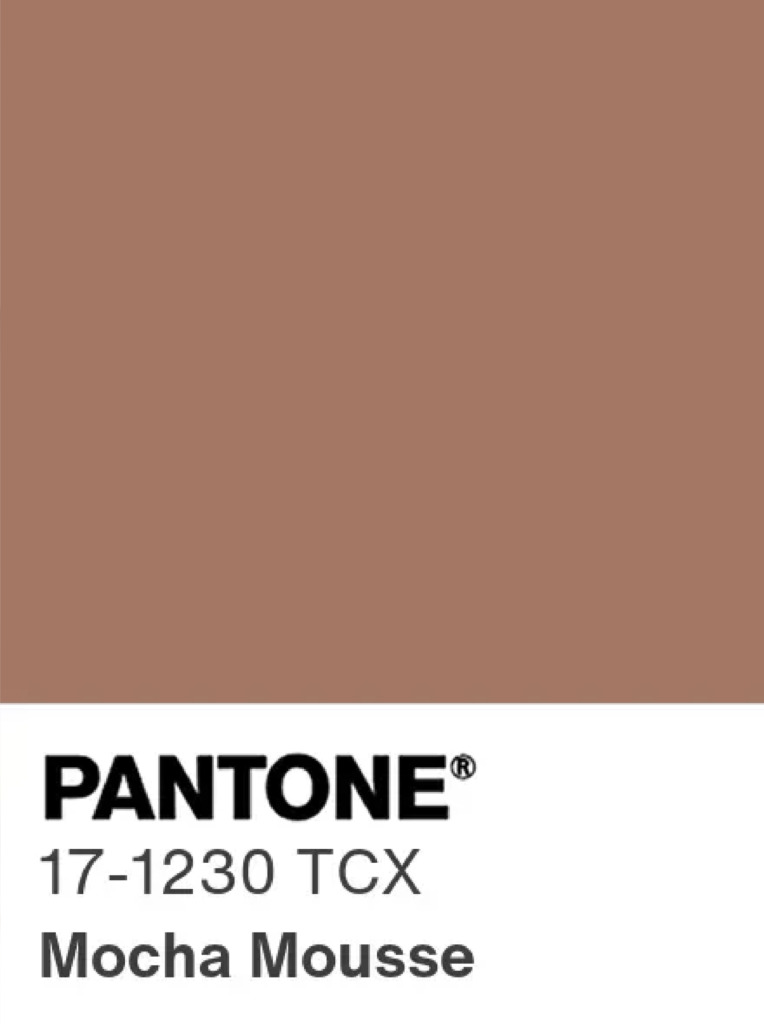
In fashion and culture, the timing feels almost scripted: Pantone named Peach Fuzz its Color of the Year for 2024, then Mocha Mousse for 2025, then Cloud Dancer for 2026. Three years running, its forecasters have circled the exact palette of a Sunset Blush diamond. Taylor Swift wore a Desert diamond bracelet on the cover of her latest album and Doja Cat featured them in her “Gorgeous” music video.
Desert Diamonds also pair incredibly well with Indian sartorial silhouettes. Case in point: at Rahul Mishra’s Paris Couture Week show, Tanishq’s Desert Diamonds (opens in a new window) captured every eye. Framed by striking, modern silhouettes, every jewel came across as a piece of timeless desert heritage, showing that modern luxury favours distinct personality and understated grace over flawless uniformity.
Celebrity proposals tell a similar story. Warm-toned diamonds have become a consistent presence on red carpets and engagement announcements in a way that would have seemed unusual a decade ago.
Designers have noticed. Dave Bindra, VP and head of acquisitions at B&B Fine Gems, shared: “[We’ve] already seen a wave of consumption of rose to peach tones in gems of all categories and this will likely continue to trend.”
The Pantone alignment may be striking, but these diamonds didn’t follow a trend; they started it. They were already there, formed billions of years underground before anyone thought to name a colour of the year.


How pink-toned diamonds get their natural colour
The pink-to-blush range is among the most scientifically unusual in the diamond world. Unlike yellow diamonds, which get their warmth from nitrogen, or blue diamonds, which owe their colour to boron, naturally pink and blush diamonds don’t acquire their hue from a trace element4. The diamond colour comes from structural distortions in the crystal lattice (known as plastic deformation) caused by extreme pressure as the diamond travels toward the surface. Those microscopic deformations change how the crystal absorbs and reflects light, but even this doesn’t fully explain the appearance of pink tones in natural diamonds.
The science behind the rare blush colour
Decades of research, including extensive study of gems from the Argyle mine in Western Australia — which closed in 2020 after producing over 90% of the world’s pink diamond supply — have yet to yield a definitive scientific explanation5. Every Sunset Blush diamond is, in a literal sense, a mystery.
Peach and champagne tones within the Sunset Blush range typically combine structural distortion with trace nitrogen, which adds a golden warmth to the pink base. The result is a colour that reads differently in every light and that can’t be replicated synthetically or through treatment. The colour of diamonds in the Sunset Blush range is written into the gem’s structure itself. It’s a direct expression of geological rarity that no lab process can reproduce.
This organic interplay of light and warmth makes pink champagne diamonds uniquely versatile, setting the stage for how these extraordinary gems are translated into modern fine jewellery.
How to style Sunset Blush Desert diamonds for everyday luxury
Sunset Blush diamonds tend to appeal to a specific kind of wearer. Not necessarily someone looking for statement jewellery, but someone who pays attention to tone, proportion and detail. They sit comfortably alongside a wardrobe that leans warm, textured and slightly undone. Pieces that don’t need to match perfectly to make sense together.
Styling Sunset Blush follows the same logic:
- Go for gold: warm yellow gold is leading again and it’s a beautiful match for blush-toned diamonds. Think heavier bands, brushed finishes, or sculptural forms. It brings out the peach and champagne undertones without feeling overly polished.
- Break the set: perfectly coordinated jewellery feels dated. Pair a Sunset Blush ring with pieces that don’t quite match. Try different gold tones, mixed textures, or a single standout element. The tension makes the colour feel more considered.
- Use contrast with restraint: platinum or white gold can sharpen the blush, but it works best in clean, minimal settings. Think bezel edges, slim prongs, or a single contrasting band rather than anything overly decorative.
- Stack with variation: mix band widths, finishes and tones. Let the Sunset Blush stone anchor the look, then build around it with pieces that feel collected rather than styled.
- Let the colour carry: the shift is away from over-design. A unique natural diamond in a confident setting does more than intricate detailing.


Sunset Blush diamond engagement rings and bridal styling
Beyond traditional choices, coloured natural diamonds are increasingly chosen by couples looking for unique engagement rings that stand apart from traditional solitaire designs. While a Blush diamond engagement ring remains a cornerstone of this movement, these versatile gems have expanded rapidly into high-end wedding jewellery, milestone anniversary gifts and bespoke bridal collections across India. Setting these stones in classic metals such as rich 18ct yellow gold to accentuate their warm undertones or platinum to highlight their subtle contrast allows them to effortlessly blur the line between heirloom grandeur and contemporary design.
A solitaire is the most straightforward approach. One stone, set cleanly, lets the blush tone carry without interruption. In warm yellow gold, it feels current without trying too hard.
Three-stone rings introduce structure without overcomplicating things. A blush centre stone with colourless side diamonds creates contrast but keeps the overall look balanced.
ADIF tip: Skip the perfectly matched bridal set. A Sunset Blush engagement ring pairs well with wedding bands that go beyond the ordinary. Drawing inspiration from modern bridal jewellery trends, consider versatile, stackable wedding bands rather than rigid, conventional pairings. Play with texture and scale — we love a brushed yellow gold band or even a sculptural curved band that follows the shape of the stone. The contrast adds interest without taking focus away from the central diamond.
The science behind the natural colour of Sunset Blush diamonds
Diamonds form approximately 140 to 200 kilometres below the Earth’s surface, under temperatures that exceed 1,000 degrees Celsius and pressures almost impossible to conceptualise6. Over billions of years, carbon atoms bond in perfect symmetry to create the hardest natural material known. Tiny variations in that process — trace elements, atomic shifts, strain in the crystal lattice — give each diamond its own colour and character7.
These precise geological anomalies are what give birth to natural coloured diamonds, transforming ordinary carbon into coveted fancy coloured diamonds with extraordinary hues. That process of natural diamond formation is what makes the colour of a Sunset Blush diamond so remarkable.
Why choose a Sunset Blush diamond?
There’s a reason Laurence Graff paid $46 million for a pink-toned diamond when he could have bought something colourless and flawless for less. Colour in a natural diamond is not an imperfection. It’s a record of everything the gem went through.
Sunset Blush diamonds offer warmth that’s organic and unrepeatable. No two stones share exactly the same hue, the same distribution of colour, or the same internal character. For buyers who want a diamond that feels specific to them rather than defined by a category standard, that individuality is the entire point.
The colour has genuine range too. Lighter blush reads as soft and romantic; deeper peach feels warmer and more grounded; champagne undertones add a richness that ages well. The history of diamonds engagement rings shows that coloured gems have always been part of that story and a Sunset Blush diamond fits as naturally into a bridal setting as it does into an everyday collection.
Knowing which diamond shapes best complement its warmth and how to build a diamond jewellery collection around a coloured centre stone, makes the choice feel less daunting and more considered.
There is something profound about choosing a gem that hasn’t fully been decoded by science. The emotional value of natural diamonds has always rested on permanence and uniqueness. A Sunset Blush diamond carries both.

Buying and caring for a Sunset Blush diamond
Because subtle variations in hue, tone and saturation can dramatically impact both appearance and value, securing an official GIA certification is essential when purchasing coloured natural diamonds. A reliable report verifies the diamond’s natural origin and provides an unbiased assessment of its exact colour characteristics. To ensure complete confidence in your investment, it is equally crucial to acquire these rare gems from trusted jewellers who maintain transparent grading practices and offer clear origin disclosure.
When selecting a Sunset Blush diamond, colour is everything. The GIA grades pink diamonds by intensity: Faint, Very Light, Light, Fancy Light, Fancy, Fancy Intense and Fancy Vivid. Sunset Blush diamonds typically fall in the Fancy Light to Fancy range. They’re visibly warm, but not overly saturated.
Secondary hues matter too: peach, champagne and rose each shift the tone of the diamond in ways that a certificate alone won’t communicate. Understanding the 4Cs of diamonds looks different here. Colour intensity and saturation are your primary lens, with cut and diamond clarity in a supporting role.
ADIF tip: Always view a Sunset Blush diamond in multiple lighting conditions before committing. The colour will shift between overhead store lighting, natural daylight and warm evening light. Getting to know how a specific stone behaves across those conditions is how you find the right one.
Choosing the best cut for a Sunset Blush diamond
Oval, cushion and pear cuts concentrate colour toward the centre of the stone, making the blush more vivid and defined. Round brilliant diamond cuts distribute light more evenly, lifting the perceived colour and maximising sparkle, but at the expense of depth.
Most buyers find they want the warmth to lead, which makes oval or cushion the more natural choice. Understanding how diamond cutting reveals a stone’s full character is especially relevant for coloured diamonds and diamond carat is less useful as a guide here than colour depth and distribution.
Clarity, certification and caring for Sunset Blush diamonds
Warm-toned diamonds are more forgiving of inclusions than colourless stones, as the colour draws the eye rather than exposing flaws8. Eye-clean is still the standard worth aiming for, but you can typically work with a slightly lower grade than you would for a white diamond without any visible difference. Consulting a diamond clarity guide can help navigate that trade-off. It’s also worth understanding the distinction between naturally coloured gems and enhanced stones. Lab-grown diamonds vs natural diamonds differ in ways that go beyond colour alone.
GIA certification confirming natural colour origin is non-negotiable. Natural origin is what gives a Sunset Blush diamond its rarity, its story and its long-term value. When it comes to what carat, cut and style work best for different milestones, a Sunset Blush diamond answers well across all of them whether for an engagement ring or a bespoke piece for a significant anniversary.
Care is straightforward. Clean gently with warm water, mild soap and a soft brush. Rinse well and pat dry with a lint-free cloth. Store separately from other hard gemstones to prevent scratching — ideally keeping pieces tucked safely into individual padded jewellery pouches or lined boxes. For pieces worn daily, such as engagement rings, scheduling periodic professional inspections and cleaning with your jeweller ensures the prongs remain secure and the stone maintains its original brilliant lustre for generations.
Sunset Blush diamonds: born in nature, treasured for life
Sunset Blush Desert diamond jewellery doesn’t need an occasion to justify it. Its colour is soft enough for every day and rare enough to mean something.
Fancy colour diamonds have always attracted those with an appreciation for the truly one-of-a-kind. Graff saw it then. Jewellery designers see it now. And for anyone ready to look past the conventional choice, a Sunset Blush desert diamond is one of the more considered ones you can make, not just as a diamond gift idea but as something you’ll still find interesting in 20 years.
Sunset Blush is just one shade in a much wider story. Learn more about Desert diamonds and explore natural coloured gems from the soft hues of Champagne diamonds and Sand coloured diamonds (opens in a new window) to the bold depth of colour seen in Ochre Desert diamonds (opens in a new window), Whiskey diamonds (opens in a new window) and Sunset Brown diamonds (opens in a new window).
Sources:
- www.bbc.com/news/world-europe-11764757
- www.naturaldiamonds.com/historic-diamonds/graff-pink-diamond/
- www.naturaldiamonds.com/historic-diamonds/graff-pink-diamond/
- www.sothebys.com/en/articles/how-colored-diamonds-get-their-hue/
- www.naturaldiamonds.com/science-of-diamonds/the-closure-of-the-worlds-main-pink-diamond-source/
- www.gia.edu/gems-gemology/winter-2018-how-do-diamonds-form-in-the-deep-earth
- www.museumsvictoria.com.au/article/how-do-diamonds-get-their-colours/
- www.jewelmore.com/blogs/news/the-advantages-of-embracing-warm-diamonds/


