
Paris Couture Week is where fashion’s most considered ideas tend to surface, making it a natural stage for high jewelry that wants to say something beyond design alone. This season, De Beers London used that moment to introduce Riverborn, a 12-piece capsule collection created using ethically sourced, artisanal-mined natural diamonds from Sierra Leone.
The collection brings into focus diamonds recovered by individual artisanal miners, sourced through GemFair, and carried through a transparent, traceable route into high jewelry for the first time. Long before they are cut or set, these diamonds are found by hand, in alluvial landscapes shaped by rivers, grounding the collection in place, people and origin.
Inspired by the source
Riverborn is a 12-piece capsule built around a simple but increasingly resonant idea: where a diamond comes from should remain part of the story.
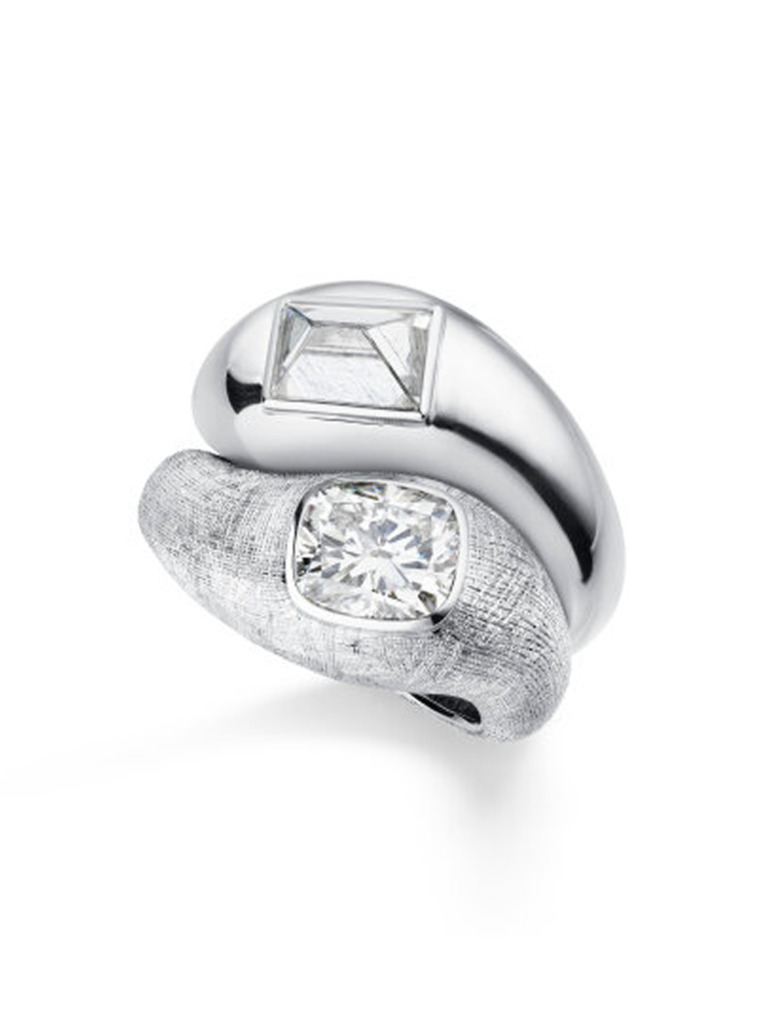
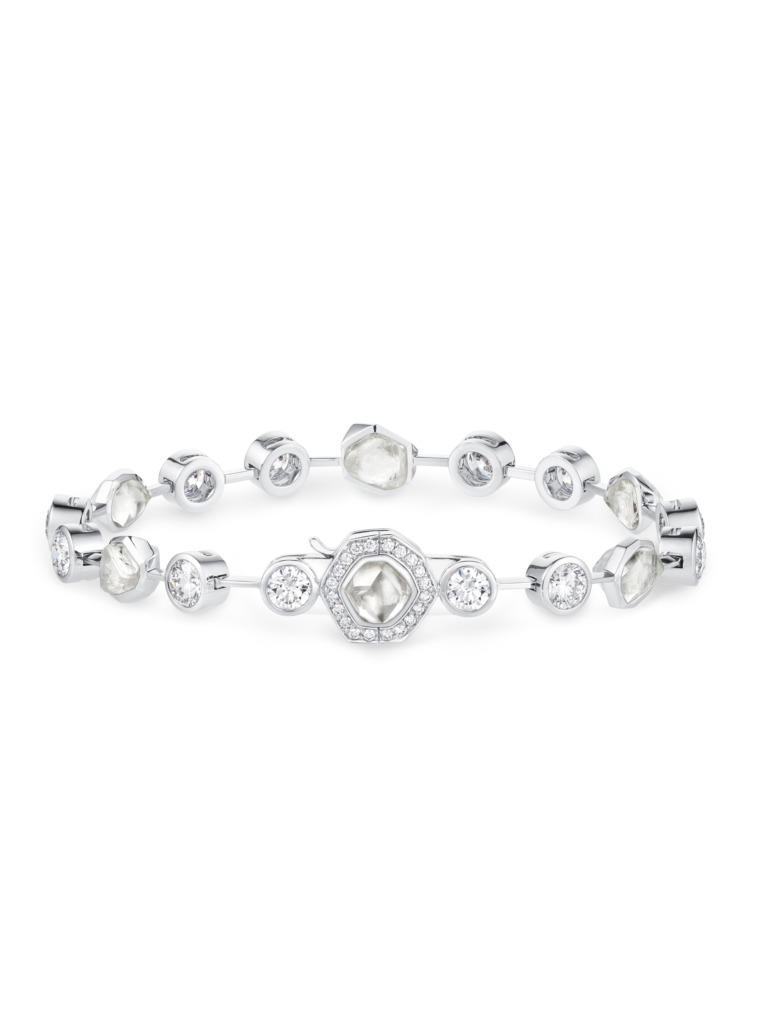
Design-wise, the collection includes sculptural Toi et Moi rings combining rough and polished diamonds, alongside linear earrings and a bracelet composed of alternating stones set in geometric sequences.
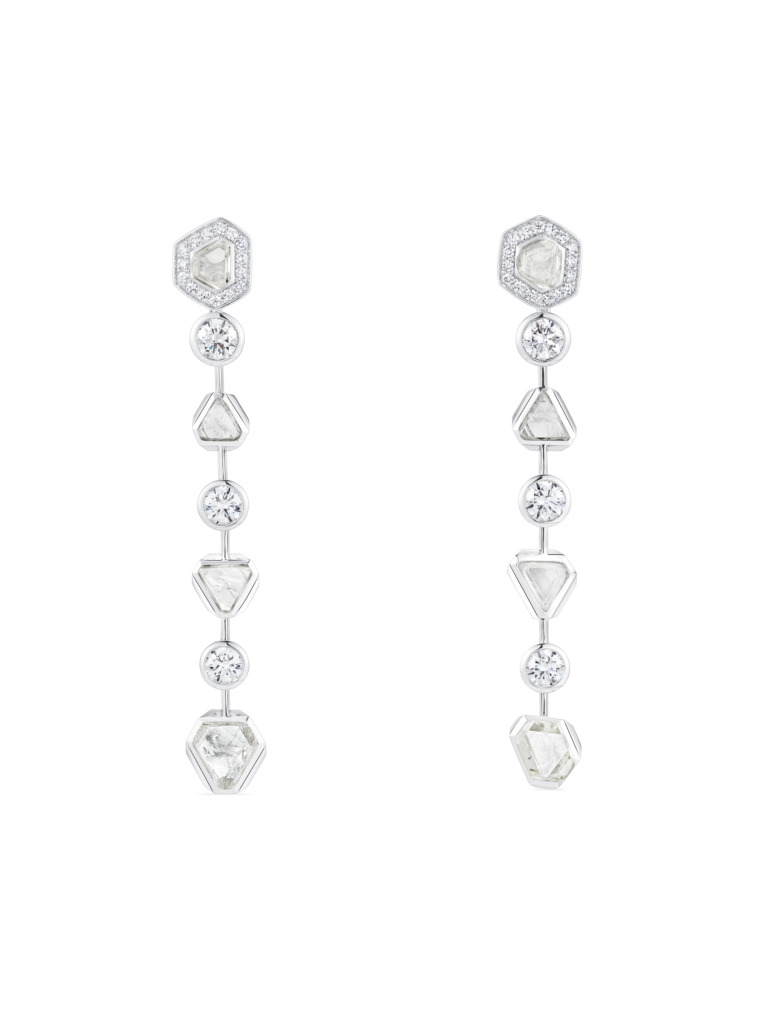
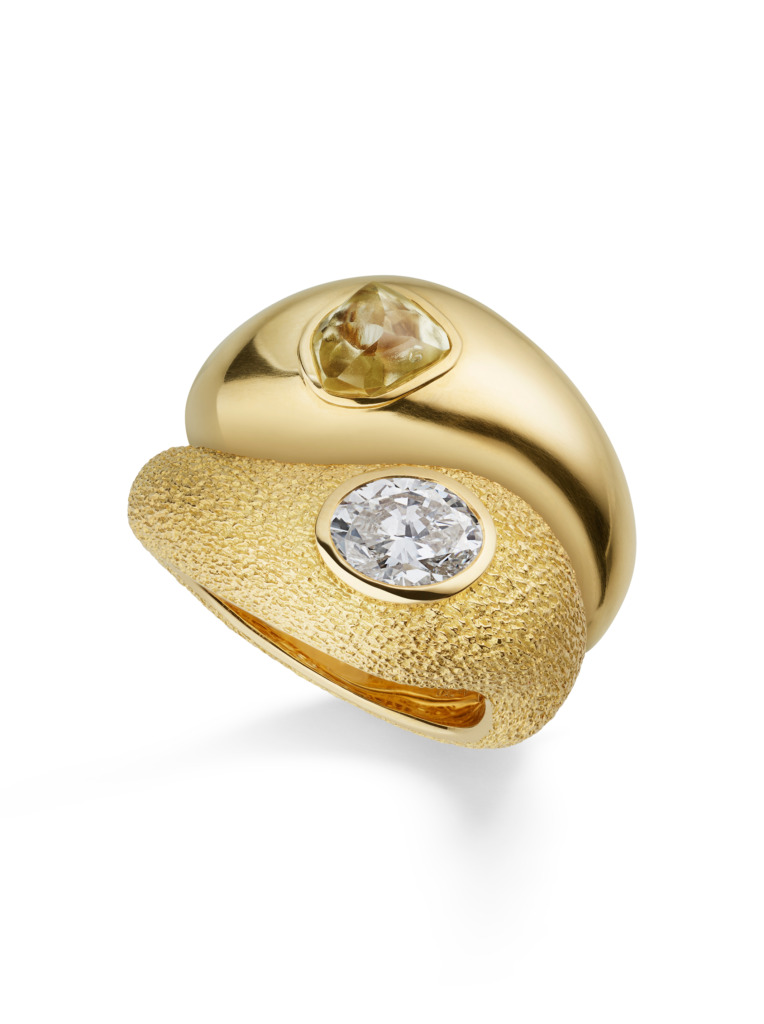
Some diamonds were cut specifically for the collection, while others were left in their natural form. The approach keeps the focus on individuality, acknowledging that no two diamonds, or paths to discovery, are the same.
The journey before the jewelry: inside the GemFair initiative
The name Riverborn references the landscapes that shape these diamonds long before they reach the jeweler’s bench. Found in alluvial environments and carried by rivers over time, each diamond begins its journey well before it becomes part of a finished piece.
Rather than mining diamonds itself, GemFair purchases gemstones directly from licensed artisanal miners and brings them into the supply chain under defined standards for traceability and responsible sourcing.
What distinguishes GemFair is not a single intervention, but the structure it provides. Participating miners gain access to fair pricing for their diamonds, training in diamond valuation and safety, environmental guidance and tools that verify the origin of each diamond.
Steve Allan, Head of GemFair, describes the collaboration as a “full circle moment,” noting that it is the first time GemFair’s diamonds have been brought to market through a dedicated jewelery collection. “It’s very rewarding to see GemFair diamonds set in such stunning pieces,” he says, “representing the journey from discovery to finished jewelery.”
GemFair also supports the reclamation of exhausted mine sites, working with communities to restore land and convert it into productive farmland. These projects help address the environmental impact of artisanal mining while supporting food security and alternative livelihoods, with many of the roles created held by women.
What natural diamonds make possible
By the end of 2025, GemFair had grown from 14 participating mine sites to more than 500, supporting thousands of direct livelihoods
Those numbers sit in the background of Riverborn. They are not what the collection sets out to explain, but they are part of what makes it possible. Natural diamonds are rare because they are formed over time and found one by one. They also carry the capacity to create work, skill and opportunity in the places where they are discovered.
What comes next is what natural diamond jewelery has always done best: making something lasting out of something rare.


