
Whether it’s a glittering wedding set in Mumbai or a quiet anniversary dinner in New York, one truth remains constant: if natural diamonds are involved, there will be a universal understanding of love, commitment and meaning.
Yet while there are similarities in the emotions they symbolize, the way they are gifted, received, and celebrated couldn’t be more diverse.
This is the beauty of diamond culture: a global language spoken in countless dialects. In one place, a diamond marks the beginning of a marriage; in another, it honors a milestone birthday, welcomes a child, or anchors a cultural rite. Each tradition adds its own richness, yet at the heart of them all, the same emotions shine through: love, care and the desire to make a moment last.
Lets take a journey through the world’s gifting customs and explore how communities across continents weave natural diamonds into their most meaningful celebrations.
The universal love language of diamond gifting
Across continents and cultures, one gesture feels strikingly familiar: the gift of a natural diamond. Whether it’s slipped onto a finger, clasped around a neck, wrapped around a wrist or glimmering against a starched pair of cuffs, this gem has become a shared symbol of love and joy.
Long before Ancient Rome’s Pliny the Elder described diamonds as “the most valuable, not only of precious stones, but of all things in this world1,” natural diamonds held deep cultural and historical significance. (opens in new window)
The story of that significance begins in ancient India, where the earliest known diamond deposits were discovered along the country’s riverbeds.

For centuries, India was the world’s only known source of natural diamonds. These gems were revered not only for their beauty but also for their spiritual and protective qualities. Royal courts prized them as powerful talismans and exchanged them as diplomatic gifts, tokens of loyalty and emblems of divine favor. Many of the world’s most storied diamonds, referenced across academic studies and historical texts, trace their origins to this period of Indian history and its sophisticated early diamond culture2.
These traditions shaped how diamonds traveled across trade routes into Persia and Europe, where their meaning evolved but their emotional power remained constant.
By the 1400s, diamond-set rings were already being given as romantic gifts in Europe, frequently engraved with personal declarations. One of the earliest surviving examples appears in the 1417 will of Joanna Fastolf, who left a ruby and diamond ring inscribed in French with the words “love you with all my heart3.”
From ancient vows to Hollywood sparkle
Fast-forward, diamonds remain a powerful gift. In 1961, Breakfast at Tiffany’s had the whole world dreaming of a little blue box containing a sparkling diamond. Actor Richard Burton famously presented Elizabeth Taylor with a 33.19-carat Asscher-cut diamond, cementing their romance in cinematic fashion. And most recently, businesswoman Radhika Merchant wore a 20-year-old gold and diamond family heirloom jewelry set, gifted by her mother, to her wedding, proving that diamonds can hold just as much meaning when passed down as when newly given.

This is the brilliance of diamond culture: a global language with infinite accents. Each tradition adds its own layer, yet the meaning remains constant. A diamond is a gift that is rare, enduring and destined to become a precious marker of a milestone moment.
Traditions of love and commitment in the West
In much of the Western world, love stories are often sealed with diamonds. From the moment Marilyn Monroe cooed about them being a ‘girl’s best friend’ to countless rom-com proposals, the sparkling ring on the left hand has become one of the most recognizable cultural symbols of commitment.
The tradition has deep roots. In 1477, Archduke Maximilian of Austria gave Mary of Burgundy a diamond ring, sparking a trend among Europe’s aristocracy4. Fast forward a few centuries and the solitaire diamond engagement ring, popularized in the mid-20th century, has become the definitive emblem of love in North America and beyond5.
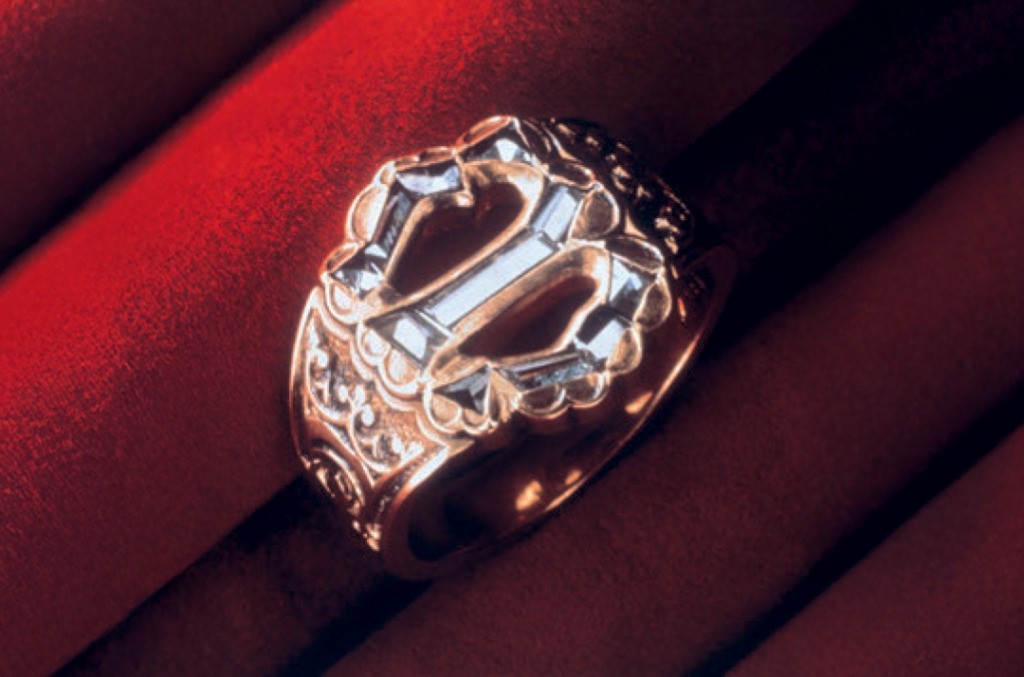
Its brilliance isn’t just aesthetic. A diamond’s natural durability mirrors the unbreakable bond of marriage, while its singularity reflects the uniqueness of every love story6.
A tradition that keeps evolving
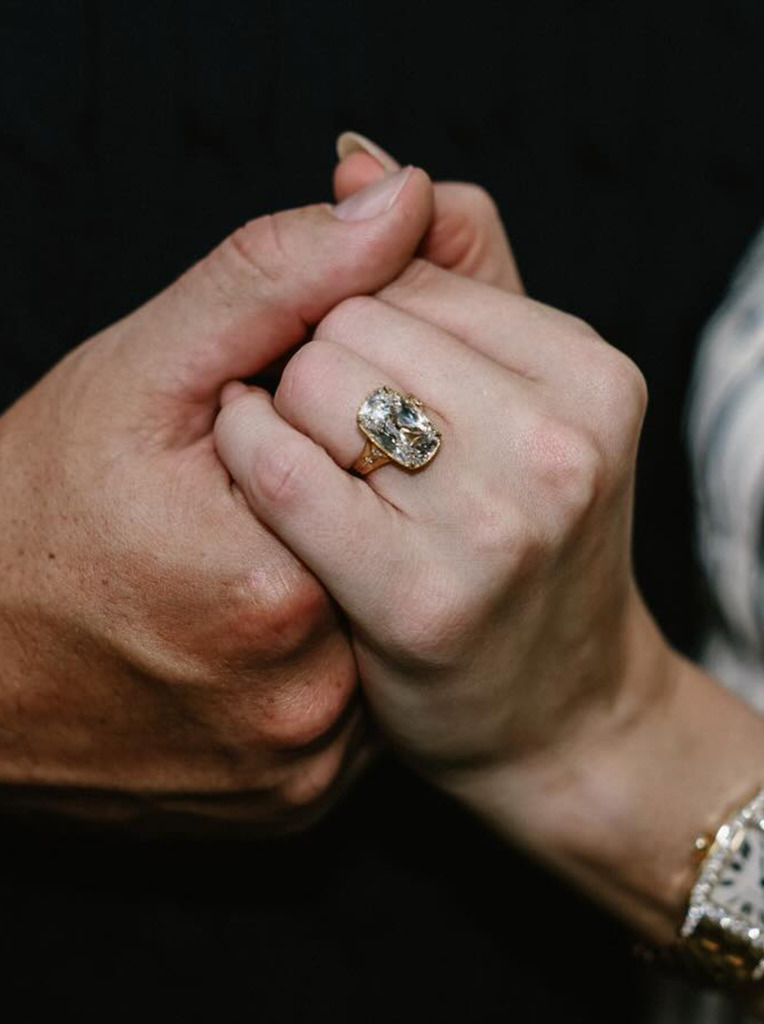
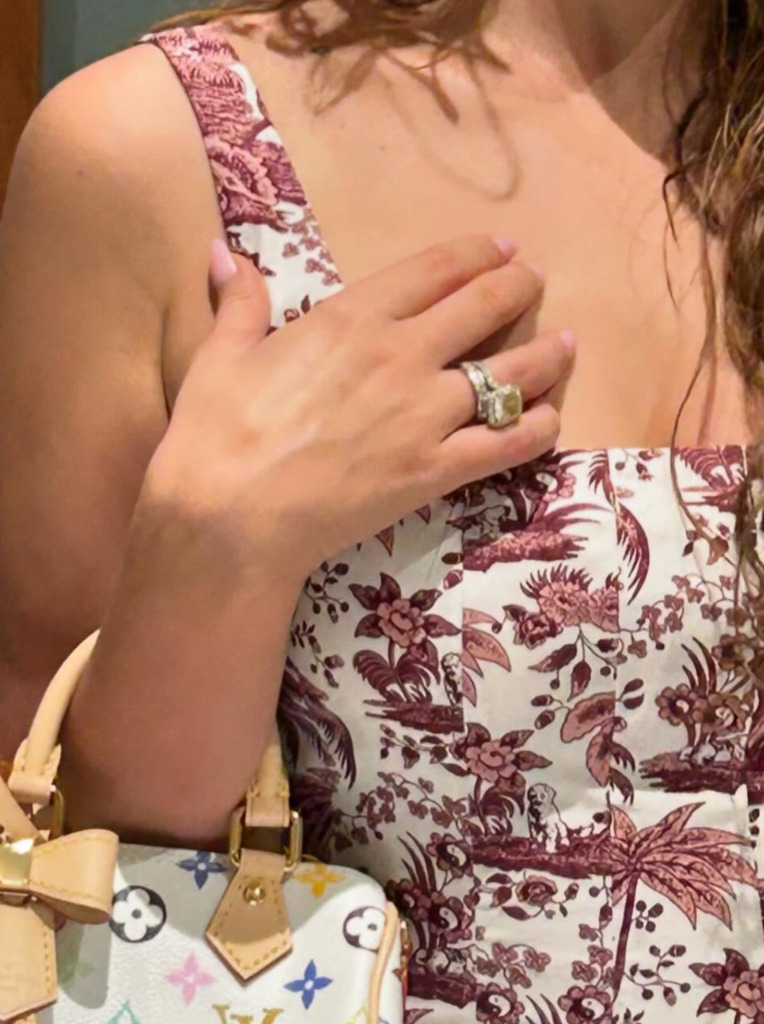
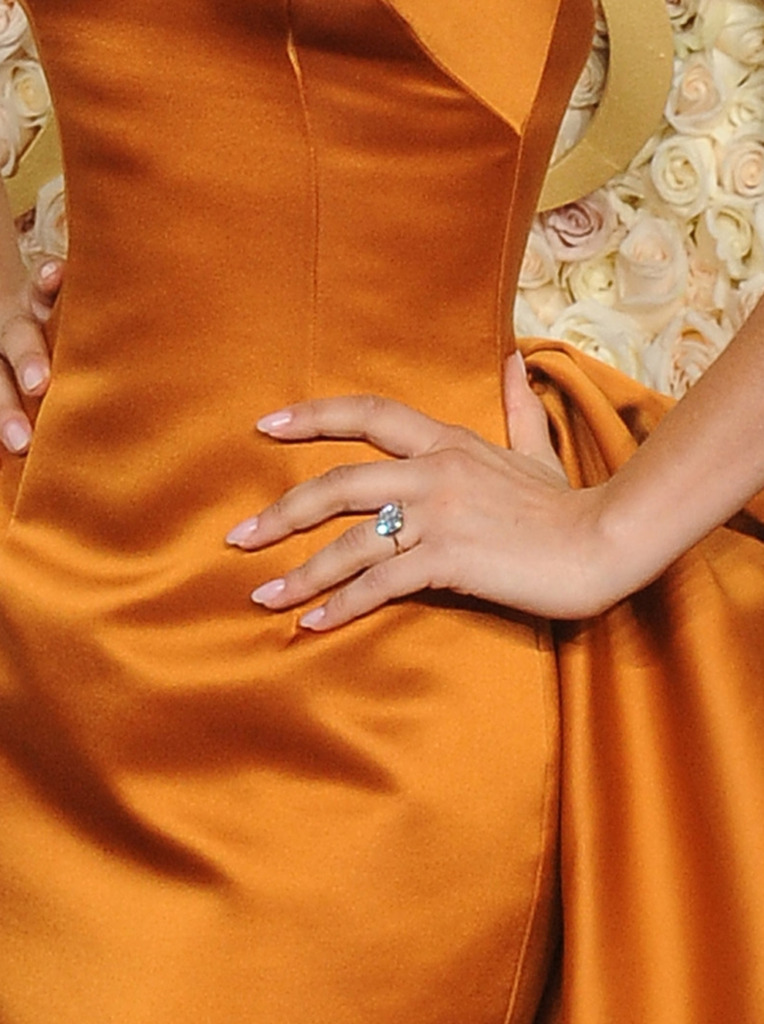
Western gifting culture continues to evolve, layering new meanings onto old rituals. Some couples reset heirloom diamonds into contemporary designs, blending family history with modern style. This was said to be the case with Millie Bobby Brown’s 2023 engagement ring, which is rumored to feature family heirloom diamonds7.
Others commission custom rings (think Taylor Swift and Zendaya’s handmade rings), making their diamond jewelry a canvas for personal symbolism. Beyond engagements, natural diamonds mark anniversaries, milestone birthdays and even new chapters like the birth of a child (both Kate Middleton and Megan Markle got sparkling eternity ring ‘push presents’). This serves as a reminder that in the West, diamonds are still the most meaningful way to honor life’s biggest moments.
Significance, celebrations and ceremonies across South Asia
In South Asia, jewelry has always been more than adornment. It’s tied to status, financial security and spirituality, with natural diamonds shining at the center of weddings, festivals and family ceremonies.
Across the region, these traditions are shaped by long-standing cultural beliefs that give diamonds a role far beyond aesthetics, particularly in India, where their symbolic power has deep spiritual and social roots.
The deep cultural significance of diamonds in India
Centuries before diamonds reached European courts, they held extraordinary meaning in the Indian subcontinent. In ancient Hindu culture, diamonds were known as vajra, meaning “thunderbolt” or “invincible,” and were believed to be gifts from the gods8.
They were worn as protective talismans in battle, embedded as eyes in deity sculptures and valued for their perceived healing and astrological benefits9. Royal households and wealthy families treasured them as symbols of power, prosperity and divine favor.
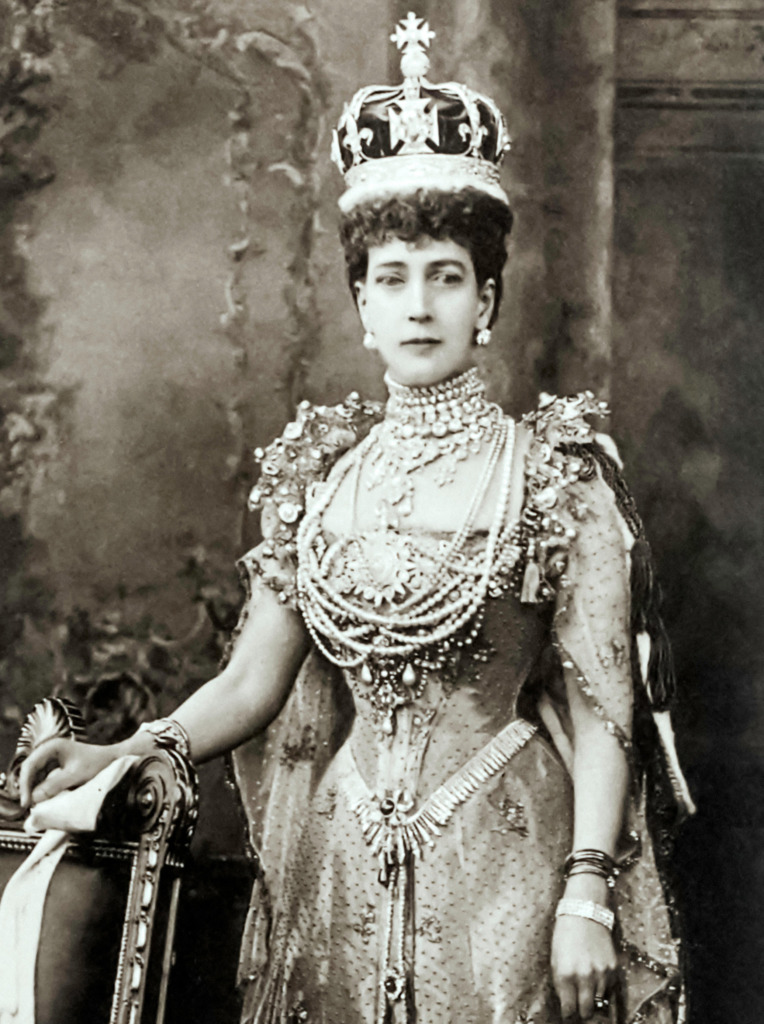
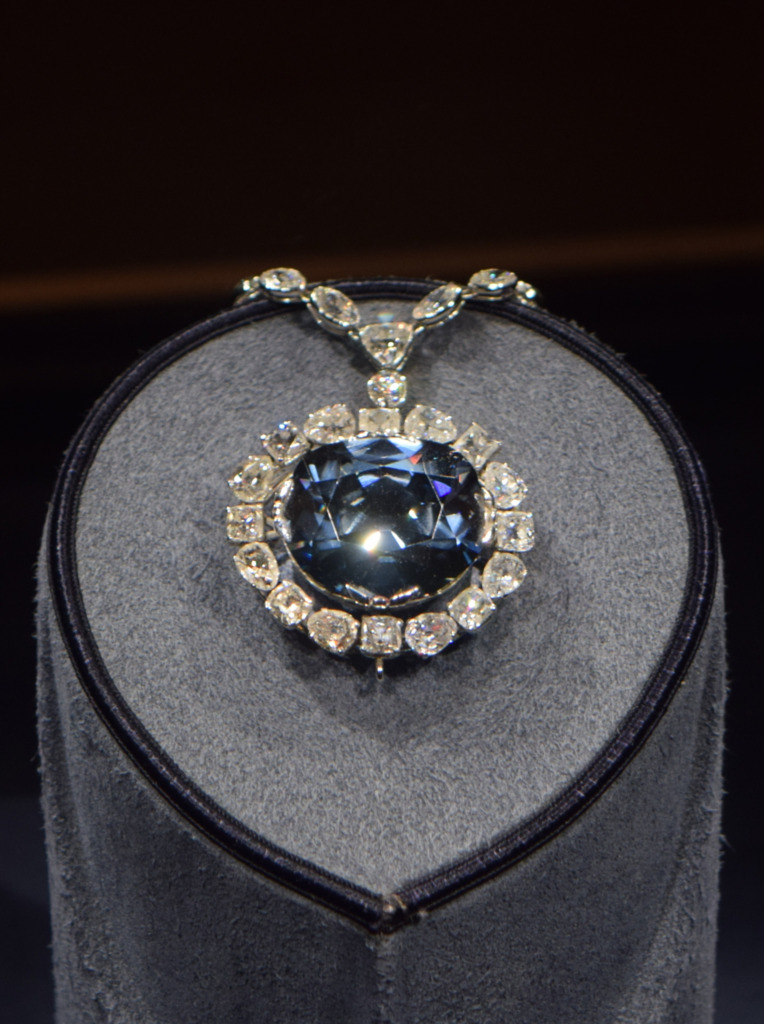
Mughal emperors amassed vast diamond treasuries, keeping the finest Golconda diamonds for their own courts. The region produced some of the most storied diamonds in history, including the Koh-i-Noor, the Hope Diamond, the Regent Diamond and the Great Mogul10. India also pioneered early diamond cutting and polishing techniques, using diamond powder to refine brilliance and elevate the gems’ beauty and value11.
Bridal diamonds as blessings and heirlooms
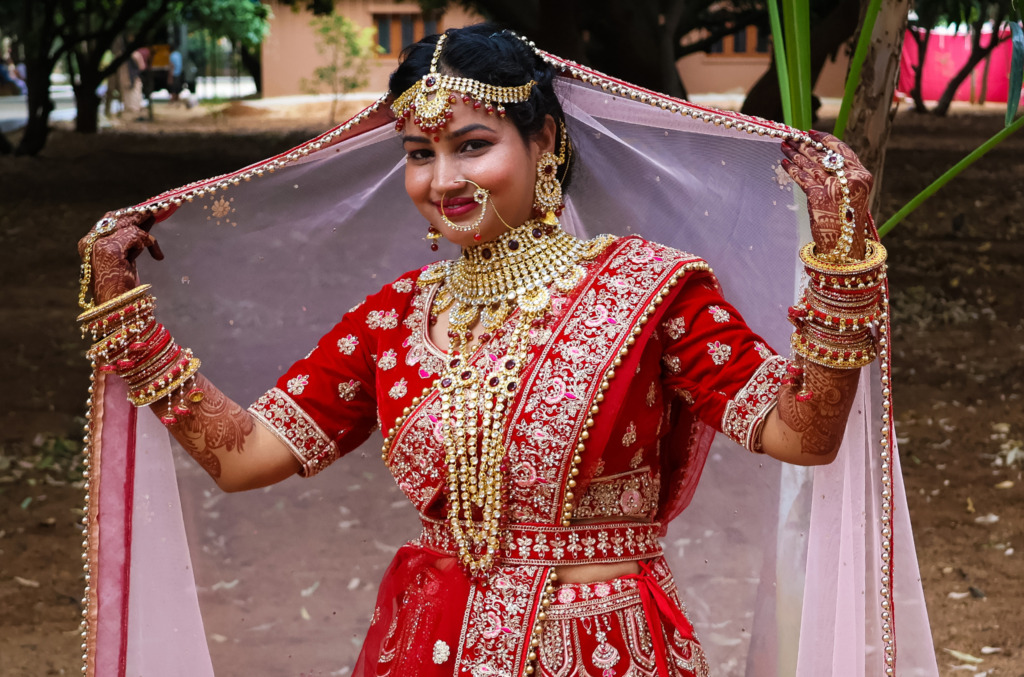
For brides in India, Pakistan, and Sri Lanka, diamond sets are as important as the bridal attire itself. Necklaces, earrings, bangles and rings are layered not only to dazzle in the moment but to signal prosperity and longevity for the marriage ahead12. In South Asia, diamonds are rarely seen as stand-alone objects; they are heirlooms-in-the-making, pieces that gather meaning with each celebration, before eventually finding their way into the next generation’s jewelry box13.
Festive sparkle with deeper meaning
Festivals, too, bring their own rituals of sparkle. At Diwali, families often choose to buy or gift diamond jewelry, believing it will bring good fortune and light into the year ahead. On Akshaya Tritiya, considered one of the most auspicious days for new purchases, a natural diamond is thought to secure lasting prosperity. During Navratri and Dussehra, diamonds take on a more symbolic role, representing purity and the triumph of light over darkness14.
These occasions show that diamonds aren’t just worn for celebration; they’re chosen to signal joy, invite prosperity, and give weight to life’s most significant moments.
Symbols of harmony and prosperity in East Asia
In East Asia, a diamond gift carries more than brilliance; it embodies love, commitment, and prosperity. These qualities make natural diamonds the gift of choice for life’s most significant milestones, from engagements to birthdays and even business occasions.
In China, meaning is in the detail
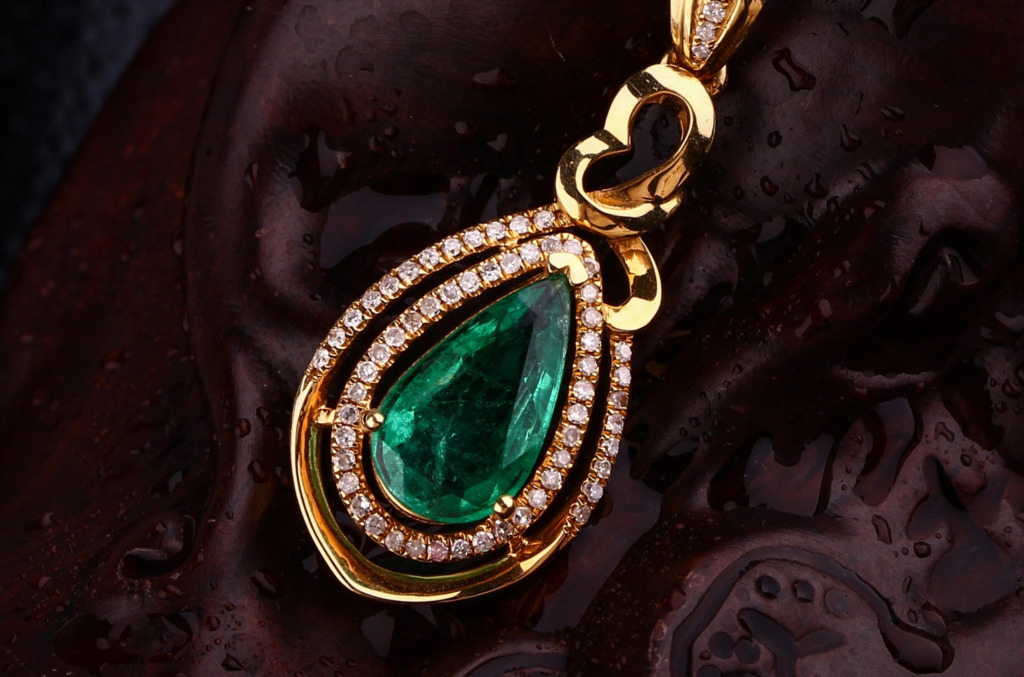
In China, a diamond may be given to mark a wedding anniversary or milestone birthday, and the jewelry here extends beyond rings. Solitaire pendants and diamond studs are especially favored15, their simplicity seen as elegant markers of social status16. Even design details carry meaning: the dragon and phoenix, popular motifs in diamond jewelry, represent strength, renewal, and harmony between partners17.
Japan’s refined take on diamond gifting
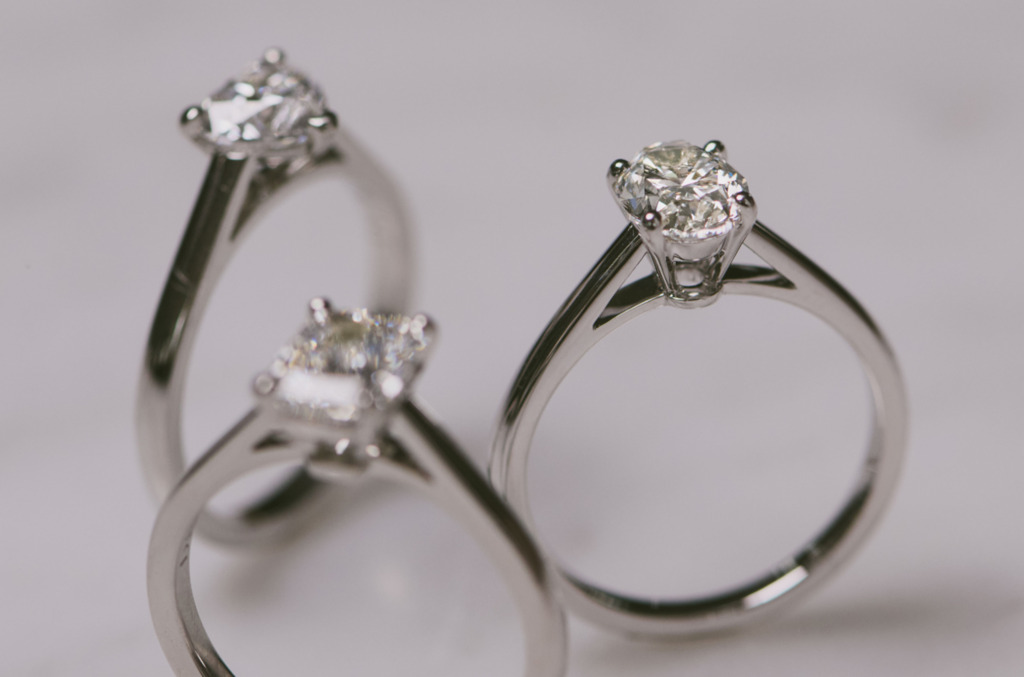
In Japan, subtlety reigns. A single, flawlessly cut diamond in a refined band reflects the nation’s love of understatement. It’s also the world’s fourth-largest diamond market, where more than half of all diamond jewelry is bought as love gifts, proof that the gesture of giving is just as important as the jewel itself18.
How and where diamonds are worn matters
In many parts of Asia, the way a diamond is worn carries meaning as well. While the left hand is common for engagement rings across much of the region, in China, they are traditionally worn on the middle finger, a subtle but significant detail that shows how deeply jewelry is intertwined with cultural custom19. Recent research only reinforces this pull: more women across the region now rank natural diamonds as the luxury gift they most want to receive20.
Tradition and community in African and Middle Eastern customs
In many Middle Eastern and African traditions, diamonds are the language of opulence, celebrated for their beauty, prized in ceremonial jewelry and worn as enduring symbols of status and prestige21.
Diamonds as divine blessings in Africa
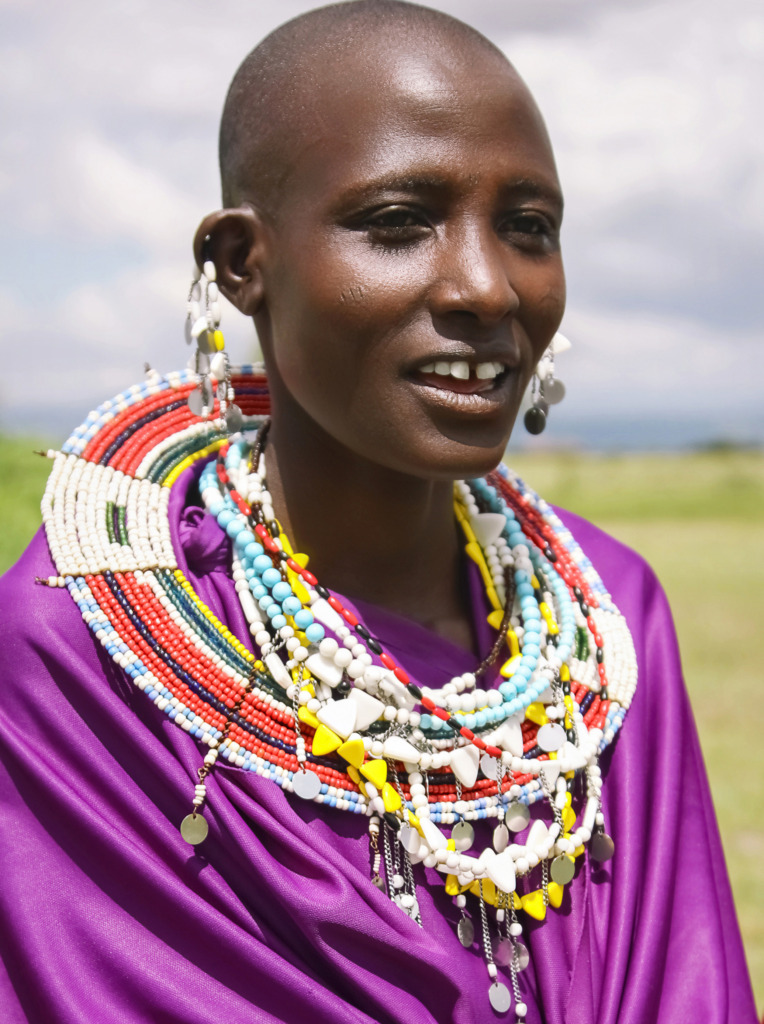
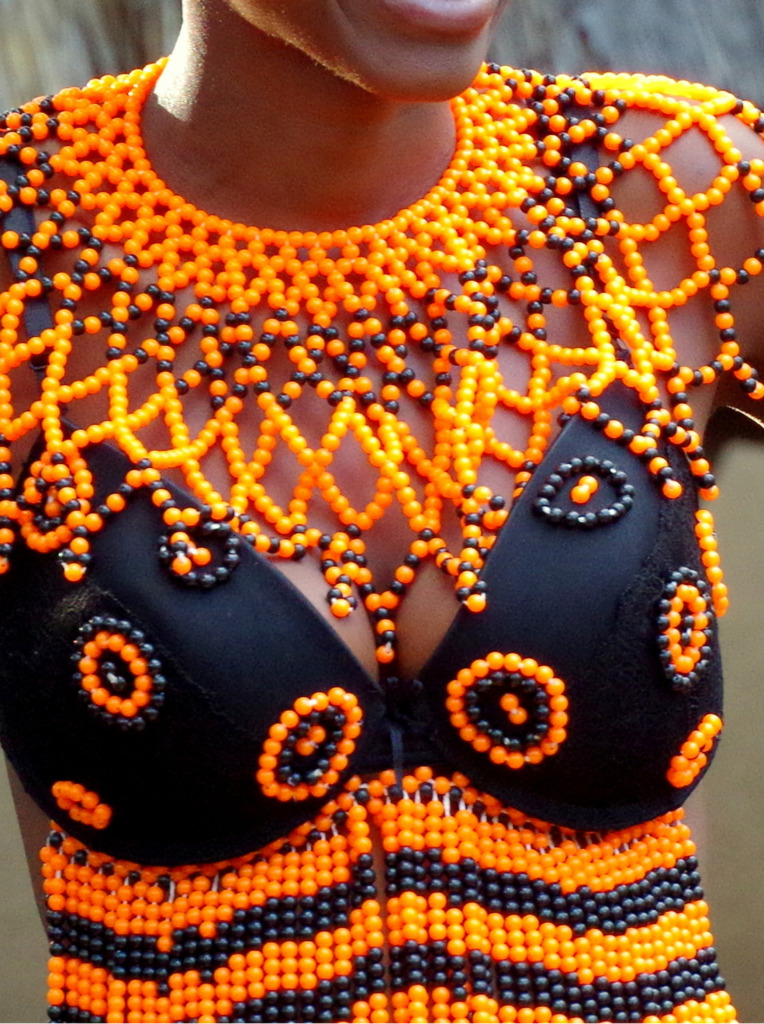
In West Africa, diamonds often symbolize divine blessings, appearing in royal jewelry and traditional rites. South Africa’s Zulu and Xhosa traditions weave beads and gems (natural diamonds among them) into ceremonial garments, where they signify both status and spiritual connection22.
Across the continent, engagement rings often carry layers of symbolism. Designs tend to be bold and intricate, with patterns that echo ancestral motifs. Color, too, plays a central role: green gemstones for growth and fertility, blue for peace and health, red for strength and passion23. Diamonds are frequently paired with these vibrant hues, their rarity and permanence deepening the symbolism of the other gems.
The Middle East does diamonds in style
The Middle East, by contrast, embraces the language of grandeur. Bridal jewelry and love gifts often come in full suites, with natural diamonds adorning necklaces, earrings and bangles in displays that signal both beauty and prosperity24. From dowries to festive gatherings, diamond jewelry is given generously, a gesture of blessing as much as celebration25.
A shared human tradition of natural diamonds
From Tokyo to Lagos, Mumbai to Dubai, the way we give diamonds may change, but the intention behind them feels familiar. Some cultures frame them as powerful; others see them as gestures of love, yet every gift seems to say the same thing: this moment matters.
A solitaire for a Chinese engagement, a bracelet in a Middle Eastern dowry, a ring passed through South Asian generations, each one may look different, but all are chosen with the same care and hold the same gravity.
And maybe that’s what makes diamond culture so irresistible. It isn’t a single tradition, but a million small ones, stitched together across time and place. To give a diamond is to say something universal and yet entirely personal.
The gift the whole world understands
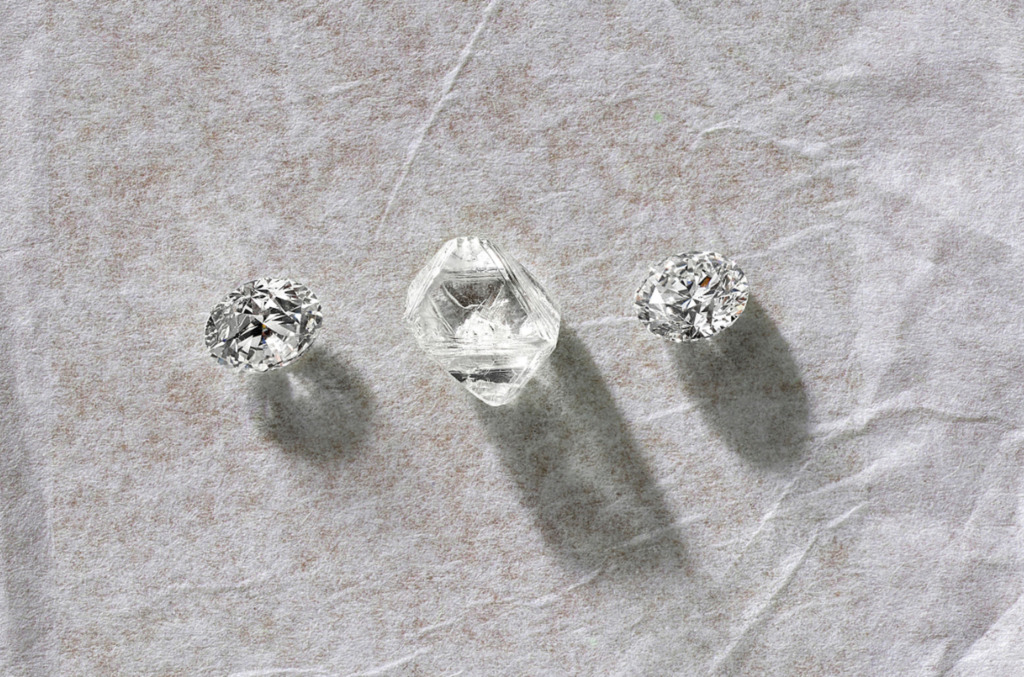
It’s clear that no matter where you are in the world natural diamonds transcend language, culture and location. It could be the heirloom handed down from mother to daughter to be woven into her wedding jewelry or the statement piece worn on the red carpet in Cannes; its meaning is the same. Diamonds are the universal shorthand for love, care, success and power.
Perhaps that’s their secret. Diamonds are not just jewelry; they are a symbol of meaning, memory, and the moment. Because whether you’re in New York or New Delhi, when someone gives a diamond, everyone gets the message.
That universality defines today’s diamond culture. Natural diamonds carry weight in ways no other gift can. They endure not only because they are rare and beautiful, but because they connect deeply personal milestones to a shared human tradition. A diamond celebrates today while promising forever, a brilliance that continues to unite us all.
Sources
- www.gia.edu/diamond-history-lore/ ↩︎
- www.gia.edu/diamonds-ancient-india-reading-list/ ↩︎
- www.yalebooks.yale.edu/diamonds-love-and-history/ ↩︎
- www.vrai.com/engagement-rings-around-world-cultural-differences/ ↩︎
- www.caratlane.com/evolution-of-solitaire-engagement-rings/ ↩︎
- www.diamondguidance.com/gifts/ ↩︎
- www.queensmith.co.uk/millie-bobby-browns-engagement-ring/ ↩︎
- www.naturaldiamonds.com/stories-natural-diamonds-across-global-mythology-rock-of-gods/ ↩︎
- www.capetowndiamondmuseum.org/education/diamond-myths-and-legends/ ↩︎
- www.gem-a.com/golconda-diamonds-india-myths-legends/ ↩︎
- www.gia.edu/gems-gemology/spring-1998-diamond-cutting-india-sevdermish/ ↩︎
- www.artshelp.com/jewelry-in-south-asian-culture/ ↩︎
- www.tdfjewellery.com/the-significance-of-diamonds-in-indian-festivals-and-traditions/ ↩︎
- www.tdfjewellery.com/the-significance-of-diamonds-in-indian-festivals-and-traditions/ ↩︎
- www.debeersgroup.com/insights/the-diamond-insight-report-2019-in-focus/ ↩︎
- www.timcodiamonds.com/the-cultural-significance-of-diamonds-around-the-world/ ↩︎
- www.vrai.com/engagement-rings-around-world-cultural-differences/ ↩︎
- www.debeersgroup.com/insights/the-diamond-insight-report-2019-in-focus/ ↩︎
- www.vrai.com/engagement-rings-around-world-cultural-differences/ ↩︎
- www.debeersgroup.com/reports/DeBeers_DIR2023/ ↩︎
- www.timcodiamonds.com/the-cultural-significance-of-diamonds-around-the-world/ ↩︎
- www.leondiamond.com/african-diamonds-global-impact/ ↩︎
- www.vrai.com/engagement-rings-around-world-cultural-differences/ ↩︎
- www.timcodiamonds.com/the-cultural-significance-of-diamonds-around-the-world/ ↩︎
- www.codebyedge.co.uk/blogs/the-history-of-gifting-jewelry-middle-east/ ↩︎


