
Nowadays, sustainability is not about just ticking boxes. Carbon offsetting alone won’t cut it when consumers are, quite rightly, demanding bold action in support of the environment, communities and future generations.
In 2026, natural diamond producers are reconsidering what the term ‘responsibility’ means, moving from single-focus targets to a more holistic approach that spans carbon reduction, biodiversity, community investment and complete transparency.
Here, we explore how the natural diamond industry is stepping beyond its old benchmarks, the innovations shaping its future and how sustainable diamonds symbolize responsibility as much as everlasting love and beauty.
Reimagining sustainability in the diamond industry
Sustainability has long been a complex word in the diamond world, drenched in aspiration and ambiguity. But in recent years, its meaning has become clearer.
Where ‘going carbon neutral’ once felt ambitious, it’s now at the heart of the natural diamond industry’s sustainability goals. Companies such as De Beers Group have pledged carbon neutrality by 2030, while Rio Tinto is aiming for net zero by 2050, signaling how major players are taking their environmental footprint seriously1.
Natural diamond producers are aware that lowering their carbon emissions and implementing more sustainable production practices will help protect biodiversity and the landscapes that support their communities. Already, more than 84% of the water used in diamond recovery is recycled and more than 99% of the material moved is inert rock (rock that doesn’t affect the environment around it) that’s reclaimed as recovery sites close. Together, industry leaders are working to protect land areas larger than New York City, Washington, Chicago2.
Crucially, this isn’t work happening in isolation. Partnerships between diamond companies, governments, NGOs and local communities are becoming the workforce of long-term change. From renewable energy projects in diamond-producing countries to conservation corridors that safeguard endangered species, these collaborations show the natural diamond industry is making a long-term commitment to sustainability3.
Building trust through ethical sourcing and transparency
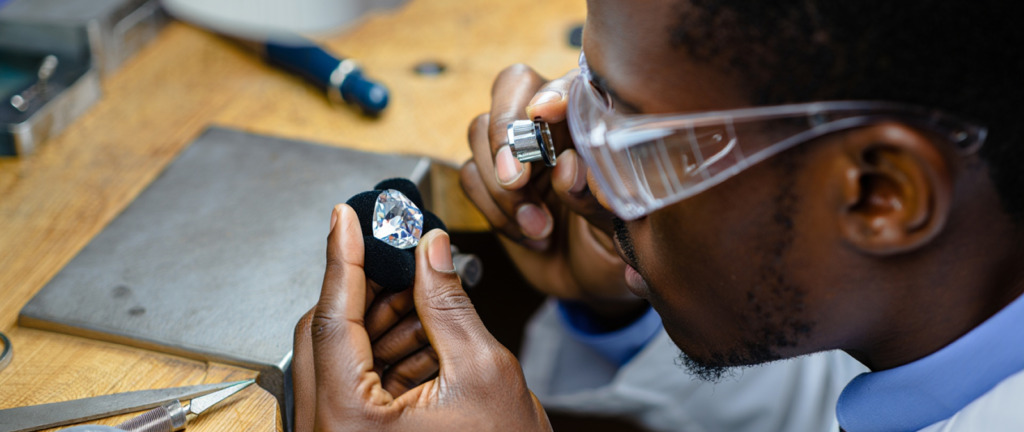
Natural diamonds are unique, beautiful and a symbol of love but it is the history and provenance behind each diamond that confirms its authenticity. That story is told through traceability, certification and technology, leaving little room for doubt.
Today, more than 99.8% of the world’s natural diamonds are certified conflict-free through the Kimberley Process, a global framework set out by the United Nations and the World Trade Organization4 . In addition, members of the Responsible Jewelry Council (RJC) commit to responsible ethical, social, and environmental practices, respecting human rights and promoting responsible practices throughout the jewelry supply chain. Compliance is independently audited every three years5.
Technology is also helping the natural diamond industry be more transparent. Platforms such as Tracr by De Beers Group use blockchain and AI to accurately trace the journey of a natural diamond from its source to the showroom. It is able to verify not only a diamond’s origin (the site it was recovered from and exactly where it was cut or polished) but also the environmental and labor standards along the way6.
This level of oversight and accountability is a world apart from the emerging laboratory-grown diamond sector, where regulatory frameworks remain ambiguous and transparency is often lacking. To address this, industry bodies and the Federal Trade Commission (FTC) are working to ensure lab-grown diamonds are properly disclosed in advertising and at the point of sale to protect the consumer.
For natural diamonds, it is this inherent authenticity, traceability and accountability that adds value to their appeal7.
Protecting the planet through nature-based solutions
For natural diamonds, sustainability doesn’t stop at reducing impact; it’s about leaving ecosystems stronger than before. This shift toward regeneration is visible in the environments where diamonds are recovered, with considerations around land, water and wildlife woven into the industry’s long-term commitments8.
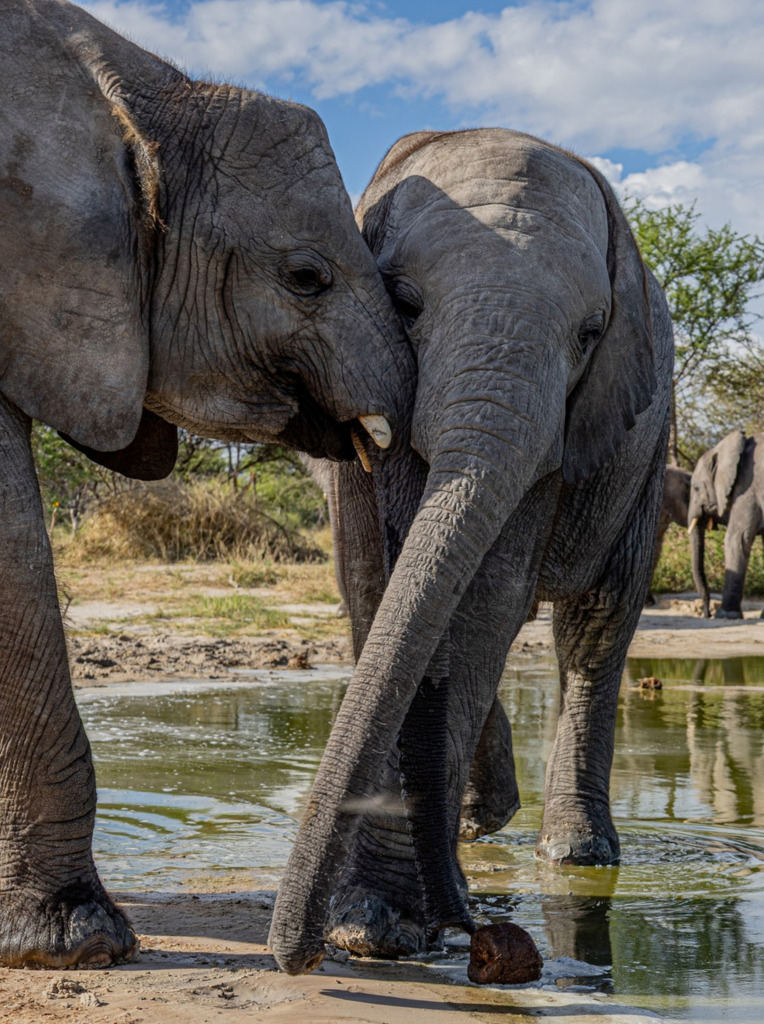
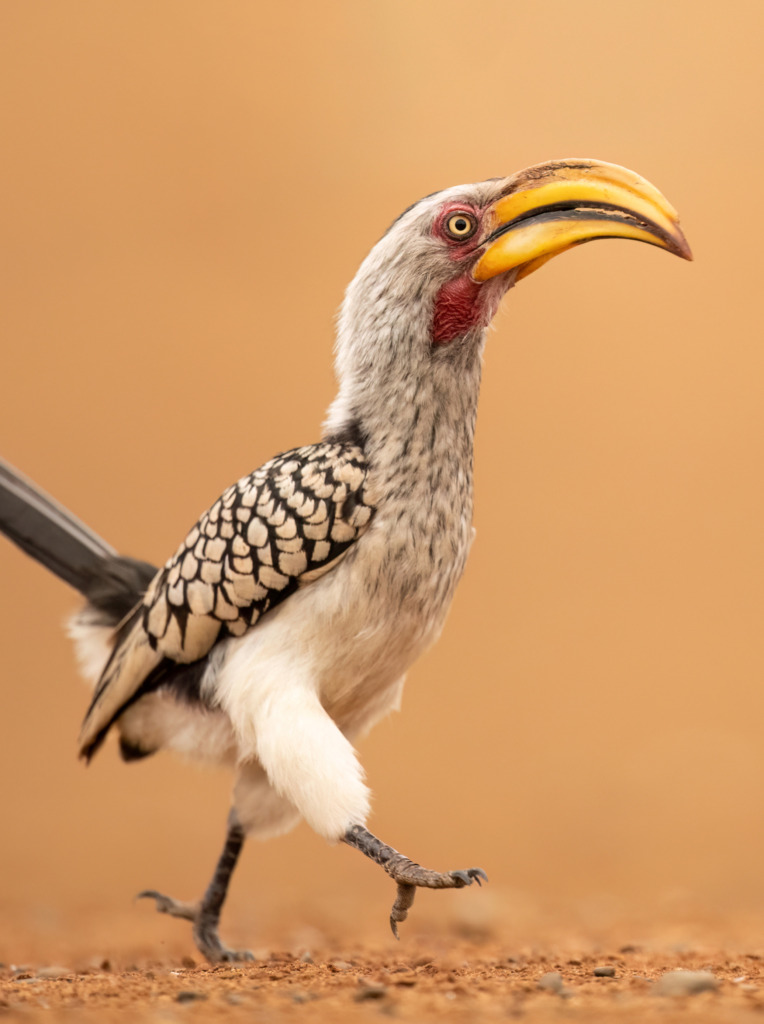
‘Buffer zones’ around diamond recovery sites, which were originally created to reduce direct noise or disruption to communities and infrastructure nearby, have been transformed into sanctuaries for endangered species including elephants, zebras and rare birds.
Along De Beers Group’s Diamond Route in South Africa for example, the Venetia Limpopo Nature Reserve spans 80,000 acres of fertile land and is home to more than 400 species of birds, plants and animals, all thriving under active protection9.
Collectively, the natural diamond industry now protects three times the amount of land it uses, more than 1,000 square miles across Australia, Botswana, Canada, Russia, South Africa and Tanzania. That’s equivalent in size to Yosemite National Park10.
While natural diamonds are precious, water is becoming increasingly so, too. Today, around 84% of the water used in diamond recovery is recycled11, with ongoing projects focused on conservation, replenishment and ensuring long-term water security for communities and ecosystems in diamond-producing countries as well12.
This mindset also applies to land. By law, every diamond mining project must have a fully funded closure plan before recovery even begins. Up to 99% of recovery waste is made up of inert rock that is reclaimed at closure13, ensuring the land can one day return to wider community use14.
Beyond conservation, natural diamond producers are also investing in renewable energy such as solar-powered infrastructure in the sub-Arctic and community projects that expand access to clean, reliable power15.

Uplifting communities through long-term investment
Sustainability isn’t just about the planet; it’s about people. Natural diamonds support the livelihoods of more than 10 million people worldwide16, with up to 80% of a rough diamond’s value staying in local communities through wages, infrastructure and public services17.
This ethical impact is transformative. Take Botswana: when diamonds were discovered in 1967, just months after its independence in 1966, the country was one of the poorest in the world. Fast forward to today and it’s become one of Africa’s most stable and fastest-growing economies. Diamond revenues now account for around 30% of GDP and 85% of export income18, funding free primary education, world-class healthcare and social investment19.
Across the natural diamond industry, jobs are well-paid and well-respected. Employees at the top six producers earn 66% more than the national average, in roles that are highly skilled and strictly regulated for safety and environmental standards20.
From education and healthcare to housing and clean water, ethically sourced diamonds help build futures.

Designing circularity into the supply chain
Sustainable and ethical practices don’t start and end at recovery sites, though. Many natural diamond companies are conscious of the whole supply chain and are keen that every element, from packaging to the precious metals their gemstones will be set in – is as future-facing as possible.
In support, jewelry brands are increasingly embracing recycled and responsibly sourced metals. While definitions of ‘recycled gold’ remain contested, leading names including Tiffany & Co. and Chopard have pioneered its use in their collections21.
When it comes to sourcing precious metals, strict standards apply. For De Beers Group, this responsibility sits with its manufacturing partners, who must comply with either the De Beers Best Practice Principles22 or the Responsible Jewelry Council’s Chain of Custody Standard23. Both frameworks are designed to ensure metals are responsibly sourced, supporting wider efforts to cut impact and strengthen accountability across the value chain.
Beyond metals, recyclable packaging has become standard for many natural diamond companies. For example, De Beers Group’s London jewelry division has adopted fully recyclable packaging across all its collections24.
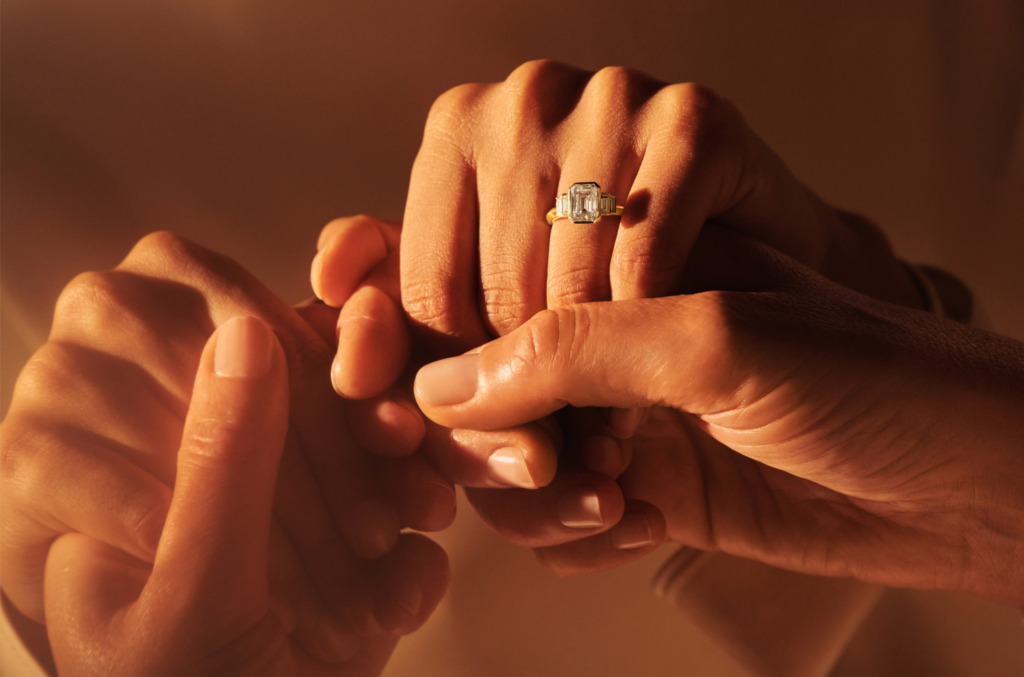
Circularity can also be woven into jewelry design. Fine jewelry is not disposable; it is created to last lifetimes and be passed from one generation to the next. Contemporary design favors versatility and timelessness, while repair services and resizing programs ensure pieces are kept in circulation for longer25.
Measuring progress and accountability
In a world of bold climate goals and increasingly conscious consumers, sustainability claims only matter if they’re actioned. For the natural diamond industry, accountability doesn’t mean perfection; it’s about transparency, verification and positive intent.
This starts with transparent reporting and third-party validation. ESG (Environmental, Social and Governance) disclosures, climate audits and independent certification schemes such as SCS-007 Sustainability Rated Diamonds are now central to tracking progress26, while collaborations with NGOs, environmental scientists and community leaders provide on-the-ground checks of social and ecological impact27.
From sustainability to regeneration
From ecosystem restoration to climate-positive targets and renewable energy, focus is shifting from limiting harm to actively creating long-term good. The natural diamond industry’s investment in education, healthcare and social enterprise is making strides to help communities thrive alongside the environments they protect.
This vision of sustainability isn’t static. It’s evolving into a model where circular design, traceability and innovation merge together, ensuring that the value of a natural diamond lies not just in its brilliance, but in the good embedded in its journey.
For us consumers, the takeaway is clear: when you choose a natural diamond from a brand that prioritizes accountability, transparency and long-term investment, you’re supporting more than just style, you’re reinforcing the planet and its people.
Sources
- www.naturaldiamonds.com/diamond-sustainability/environmental-protection/ ↩︎
- www.naturaldiamonds.com/diamond-sustainability/environmental-protection/ ↩︎
- www.naturaldiamonds.com/diamond-sustainability/environmental-protection/ ↩︎
- www.kimberleyprocess.com/about/what-is-kp/ ↩︎
- www.responsiblejewellery.com/RJC-Auditor-Accreditation-Criteria-2024/ ↩︎
- www.tracr.com/about/ ↩︎
- www.hbr.org/how-diamond-consumers-can-avoid-the-dangers-of-greenwashing/ ↩︎
- www.naturaldiamonds.com/diamond-sustainability/environmental-protection/ ↩︎
- www.diamondsdogood.com/de-beers-protecting-ecosystems-in-africa-through-the-longest-translocation-of-elephants-in-history/ ↩︎
- www.naturaldiamonds.com/beyond-the-4-cs-preserving-our-wilderness-and-wildlife/ ↩︎
- www.naturaldiamonds.com/diamond-sustainability/environmental-protection/ ↩︎
- www.miningreview.com/water-management-runner-up-de-beers/ ↩︎
- www.naturaldiamonds.com/diamond-sustainability/environmental-protection/ ↩︎
- www.bartermckellar.law/mine-rehabilitation-law-in-south-africa-a-comprehensive-guide-to-environmental-sustainability-in-mining-operations/ ↩︎
- www.naturaldiamonds.com/diamond-sustainability/environmental-protection/ ↩︎
- www.diamondworld.net/news/natural-diamond-council-global-ambassador-lily-james-visits-botswana/ ↩︎
- www.naturaldiamonds.com/diamond-facts-info/diamond-facts-full-report/ ↩︎
- www.worlddiamondcouncil.org/diamond-empowerment-the-botswana-case-study/ ↩︎
- www.emeaentrepreneur.com/botswanas-economic-gem-the-role-of-diamond-production-in-national-development/ ↩︎
- www.naturaldiamonds.com/Trucost-Report-Press-Release/ ↩︎
- www.luxeitfwd.com.au/how-luxury-jewellery-brands-are-embracing-sustainability/ ↩︎
- www.debeersgroup.com/BPP-The-Assurance-Programme-Workbook-2022/ ↩︎
- www.responsiblejewellery.com/RJC-2024-COC-Standard/ ↩︎
- www.debeers.co.uk/en-gb/faqs/ ↩︎
- www.noreenlondon.com/art-of-jewellery-repairing/ ↩︎
- www.scsglobalservices.com/certified-sustainability-rated-diamonds/ ↩︎
- www.commdev.org/How-Partnerships-between-Non-Government-Organizations/ ↩︎


