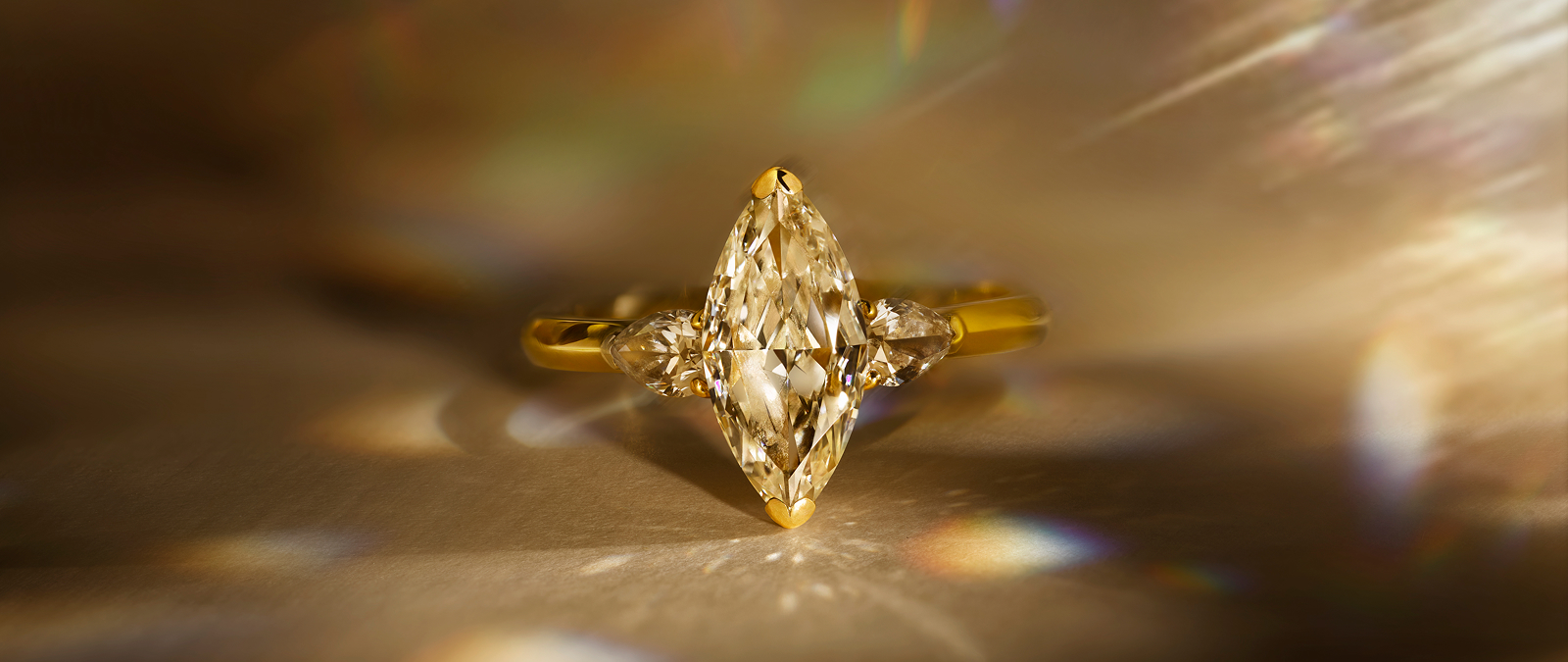
For as long as people have exchanged tokens of love, natural diamonds have held a special place among them. Formed over billions of years and admired across cultures, they’ve come to represent devotion, endurance, and lasting connection.
From ancient myths to modern proposals, these gems have symbolized everything from protection and power to the promise of forever. But how did a mineral born deep within the Earth become the ultimate emblem of romance?
This is the story of how natural diamonds became the world’s most enduring symbol of love.
The history and symbolism of natural diamonds
From warding off the unwanted to protecting soldiers in battle, diamonds have been viewed and used in fascinating ways throughout history (opens in new window).
The Ancient Romans regarded diamonds as symbols of invincibility and divine strength, believing they could protect the wearer from harm. Roman soldiers and nobles sometimes carried diamond-studded rings or amulets into battle as talismans of courage and protection1. Centuries later, medieval knights and kings continued the tradition of wearing gemstones for strength and favor, embellishing their armor and regalia with jewels believed to hold protective and spiritual power2.
Diamonds formed in the Earth have always been considered to possess mystical qualities, the Ancient Greek philosopher Plato believed they held the life of heavenly spirits with ethereal powers. As time went on, the belief of the Ancient Greeks morphed into diamonds being teardrops of heavenly spirits or gods3.
In ancient India, diamonds were viewed in a similarly sacred way and were thought to offer protection and power to their wearers; like the ancient Greeks and Romans, the precious gems were viewed as having magical and divine qualities4.
This reverence towards diamonds continued into the Middle Ages. As trade routes expanded, diamonds became a symbol of status and power, owned by royalty and the rich5.
The emotional resonance of natural diamonds in romantic relationships
How did diamonds become symbols of love and romance? The first recorded proposal featuring a diamond ring is believed to have taken place in 14776, when Archduke Maximilian of Austria presented one to Mary of Burgundy. The gesture was more than extravagant; it marked the beginning of a tradition. Soon after, diamond engagement rings became a favored choice among European nobility, their brilliance seen as the perfect reflection of enduring love.
While rings had been exchanged long before7, often crafted from simple materials like iron or gold, the diamond elevated the ritual, transforming it into a lasting emblem of devotion.
The rare creation of natural diamonds
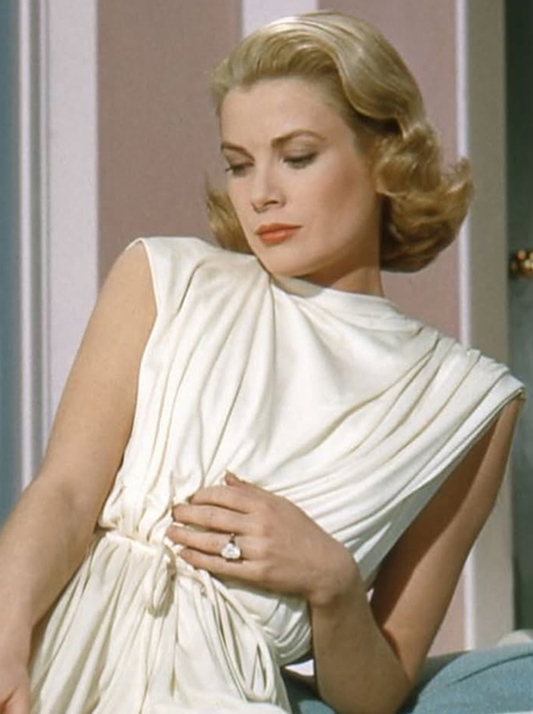
The appeal of natural diamonds lies not only in their beauty but in the extraordinary conditions that create them. Formed deep within the Earth under intense heat and pressure, each one takes billions of years to emerge.
Only a small percentage of these rough diamonds ever reach the surface (carried upward by volcanic activity), and an even smaller number possess the clarity and quality required for fine jewelry. That transformation, from elemental carbon to something luminous and enduring, is part of what makes natural diamonds so symbolic.
A one-of-a-kind expression of love
Each natural diamond is also one of a kind. Like snowflakes, no two share the same internal characteristics or patterns of light. Each reflects its own history, shaped slowly over time.
Their strength adds another layer of meaning. As the hardest known natural material on Earth8, a diamond’s durability makes it a powerful symbol of resilience, devotion, and an unbreakable bond that stands the test of time.
And, of course, there’s their beauty: still unmatched after billions of years in the making.
Cultural and historical moments that reinforced diamonds symbolic power
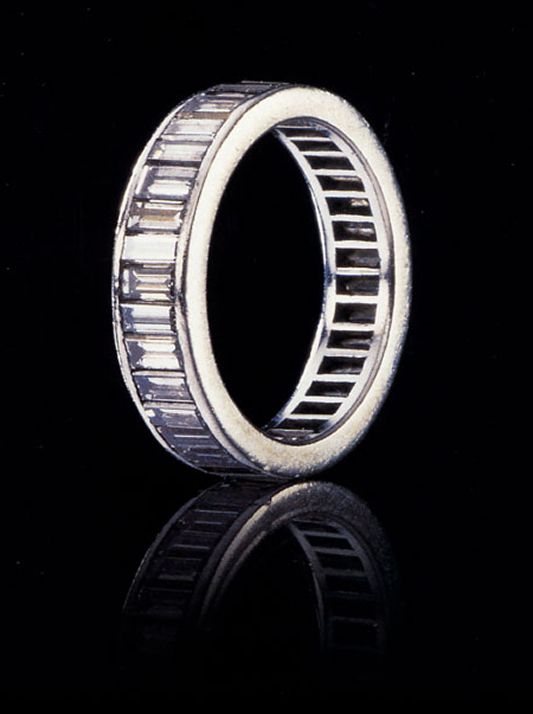
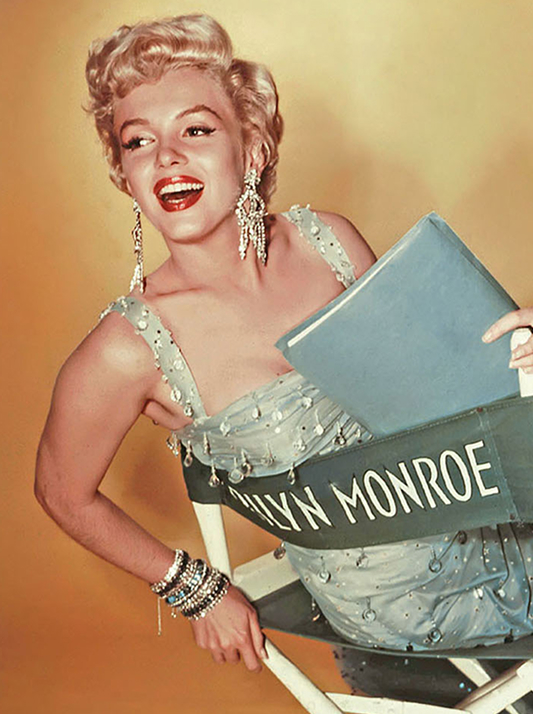
Some of the most famous engagements of all time have only helped to solidify the international appeal of a diamond proposal. Take Marilyn Monroe’s engagement to Joe DiMaggio in 1954: Marilyn’s breathtaking ring from Joe was an eye-catching platinum and emerald-cut diamond eternity band that showcased 36 diamonds9.
The 1981 engagement of Princess Diana and Prince Charles was another defining cultural moment. At its center was a striking 12-carat sapphire surrounded by diamonds10, a bold departure from traditional engagement rings. The piece quickly became one of the most recognizable jewels in history. Decades later, Prince William chose the same ring to propose to Catherine, Duchess of Cambridge, linking two generations through one extraordinary symbol of love and legacy.
Another big-hitter in the diamond ring stakes is the $5million 18-carat flawless-graded diamond by Lorraine Schwartz that Jay-Z proposed to Beyoncé with in 200711. It features what’s known as a ‘split shank’ (where the band splits into two or more strands), adding a graceful ‘flowing’ feel to the ring and has near-perfect clarity.
How diamonds came to symbolize enduring love and lasting commitment
As the famous De Beers tagline reminds us, “a diamond is forever.” That sentiment endures for good reason. But contrary to popular belief, it reflects something deeper than durability alone.
A natural diamond isn’t just long-lasting. It holds the memories, milestones, and meaning of the relationship it symbolizes. Over time, it becomes part of a couple’s shared story, a quiet witness to the life they build together.
What makes it powerful isn’t only how it’s made, but what it represents: love that grows richer, more complex, and more beautiful with time. In that sense, the sparkle isn’t just light; it’s a reflection of everything the relationship has weathered and become.
The significance of giving rare, real and timeless diamonds
You’ve likely heard stories of diamonds being handed down through families, or perhaps you’ve been lucky enough to receive one yourself. But it’s not just their monetary value or the diamond itself that’s passed down, but their emotional weight and the stories, memories and meaning that it carries with it, growing deeper over time.
When a diamond is passed down from generation to generation, it becomes a bridge between past and present; a way of keeping loved ones near, even after they’re gone. The same goes for a diamond proposal; it’s not just a beautiful gemstone exchanged between a couple, but the promise of keeping each other close and treasuring each other for a lifetime.
Sources
- https://www.capetowndiamondmuseum.org/education/diamond-history-and-symbolism/ ↩︎
- https://naturalgemstones.com/education/history-and-usage-of-gemstones/medieval-gemstone-beliefs/ ↩︎
- https://www.capetowndiamondmuseum.org/about-diamonds/diamonds-through-the-ages/ ↩︎
- https://www.diamondrocks.co.uk/magazine/diamonds-ancient-hindu-culture/ ↩︎
- https://dorotheum.com/en/the-history-of-diamond-jewellery/ ↩︎
- https://www.capetowndiamondmuseum.org/blog/history-of-the-engagement-ring/ ↩︎
- https://www.capetowndiamondmuseum.org/education/the-history-of-the-wedding-ring/ ↩︎
- https://www.britannica.com/science/Is-Diamond-the-Hardest-Substance-on-Earth/ ↩︎
- https://www.instyle.com/marilyn-monroe-engagement-ring-eternity-band/ ↩︎
- https://www.instyle.com/princess-diana-engagement-ring/ ↩︎
- https://www.brides.com/story/most-expensive-celebrity-engagement-rings/ ↩︎


