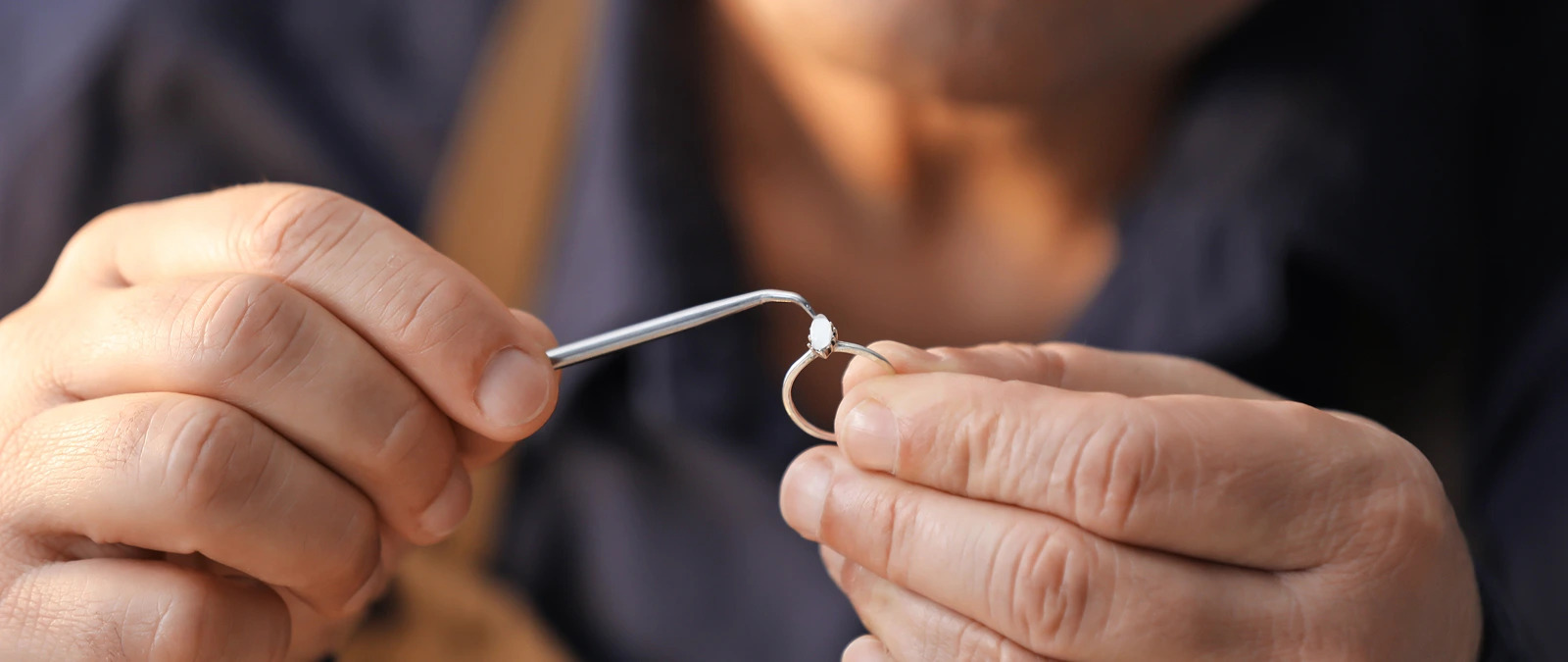
Most of us are used to seeing natural diamonds in their most dazzling form, turning heads on the red carpet or from the window of a jewellery store. But before they end up on engagement rings, chic tennis bracelets or a pair of earrings, a major transformation takes place — something which involves serious artistry and expertise.
Let us talk you through the diamond making process — from recovery site to finished masterpiece — so you can better understand how natural diamond jewellery is made…
How natural diamonds are made
A freshly unearthed natural diamond doesn’t immediately dazzle. Formed under extreme pressure and heat deep within the Earth’s mantle, a natural diamond is more of a rugged crystal at the point of its recovery. A rough diamond must undergo the arduous process — that takes millions of years! — eventually turns it into the precious gemstone that we see. But inside every natural rough diamond lies the potential for brilliance, quite literally!
How natural diamonds are cut to perfection
So, how does a diamond go from rough to radiant? That’s the meticulous work of an expert diamond cutter or diamantaire.
Diamond cutting is both an art and a science. There are two main methods when it comes to the diamond cutting process, and both aim to optimise light ‘return’ (how well a diamond reflects light) and sparkle. So, how are natural diamonds cut?
The first method is handcrafted cutting, which is done by highly trained artisans, often using visual inspection and manual tools, such as saws and cleavers. It’s the most traditional process, used long before automated machinery and computers came along.
The second method is machine cutting, which is carried out using a system of advanced lasers and scanning technology. Unsurprisingly, this method is more common these days, especially when it comes to large-scale commercial businesses. In many cases, expert technicians are often still involved at various points, like deciding on the cut a machine will carry out or even polishing by hand afterwards.
As you may already know, in the world of diamond cutting, India is the global leader. Indian artisans’ craftsmanship in turning natural rough diamonds into gleaming objects of striking beauty remains unmatched.
The skill and science behind diamond cutting
Diamond is the toughest naturally occurring substance on the planet and scores a whopping 10 on the Mohs scale of hardness, so how can it be cut?
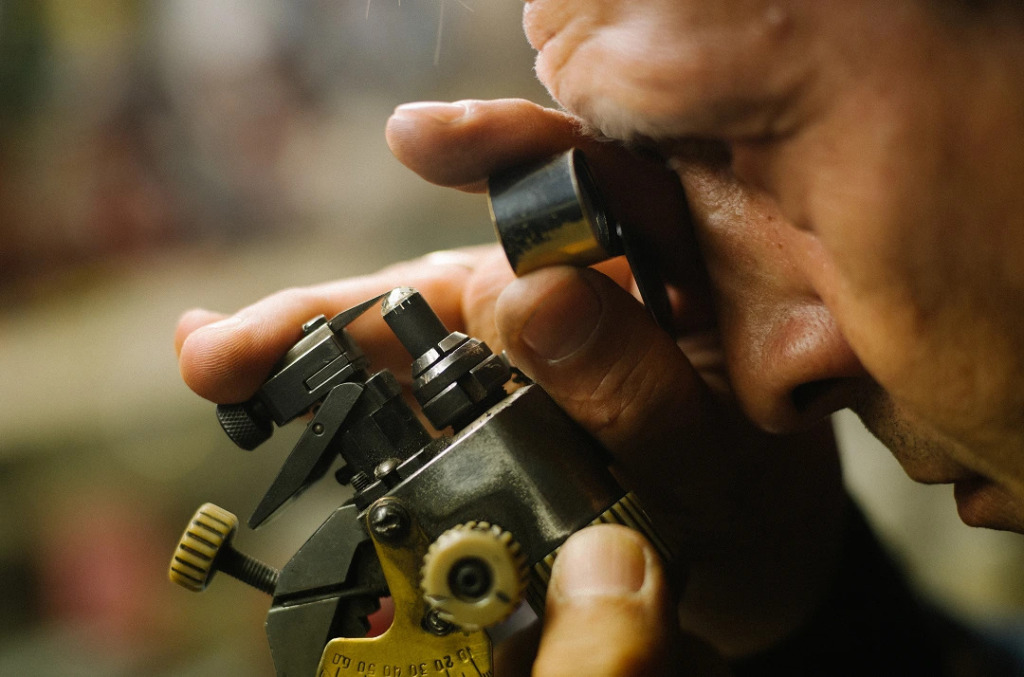
As with most big feats, the diamond cutting process begins with some serious planning. Even if it’s going to be cut by hand, 3D imaging and mapping are often used by specialists to digitally scan a diamond ahead of making any incisions.
Advanced computer programmes show cutters the best way to cut and shape a diamond for maximum brilliance and minimal waste. This early stage of the diamond cutting process is crucial, as one wrong move could sacrifice carat weight, symmetry or even the gem itself.
Next comes the cleaving or sawing, which can be done with lasers or phosphor-bronze blades coated with diamond dust (yes, diamonds cut diamonds!).
After that comes something called bruting, where the diamond is shaped into a round outline, either by hand or machine.
Finally, it’s time for faceting, the stage of the diamond making process at which multiple tiny surfaces are added to the diamond, allowing light to dance beautifully through it and create its signature sparkle. It’s also the point when the diamond’s shape, such as emerald, marquise or round, say, is fully defined. More on this later.
How are natural diamonds polished?
While cutting does most of the legwork in transforming a rough diamond, polishing brings out the finesse.
Polishing is that final stage of the diamond making process, which involves placing the cut diamond on a spinning wheel that’s coated with diamond dust in order to gently refine and smooth each individual facet.
Diamond polishing is an incredibly painstaking process that can take days or even weeks, depending on the size and complexity of the diamond. With a diamond’s brilliance depending on it, every facet undergoes a final inspection.
Once finished, a perfectly polished diamond should have crisp lines, balanced proportions, and irresistible radiance. The polishing process is what gives natural diamond jewellery its signature sparkle.
The difference between diamond cuts and diamond shapes
Thinking of investing in a marquise diamond? Or perhaps a heart-shaped stone that forms the centrepiece of a timeless necklace? Before you decide, it’s worth understanding the difference between diamond cut and diamond shape — two terms that are often used interchangeably but mean very different things.
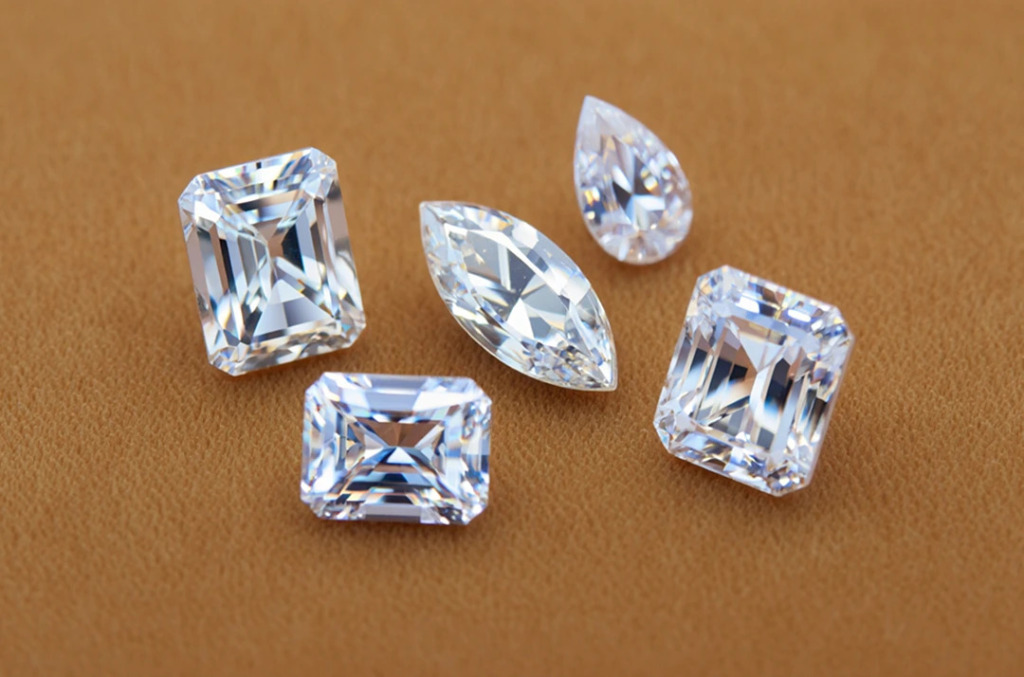
Diamond cut refers to the facet arrangement and how light interacts with the diamond to create brilliance (sparkle) and fire (flashes of rainbow colour). Different diamond cuts have different amounts of facets and are used for different shapes. The brilliant cut — probably the most popular in recent times — is characterised by its high number of facets (usually 57 or 58).
Diamond shape is its outline or ‘silhouette’, such as a heart, emerald, oval, marquise or round, for example. When buying a diamond, choosing between different shapes can be hard. Always try on pieces before buying, if possible, so you can see how different shapes suit you.
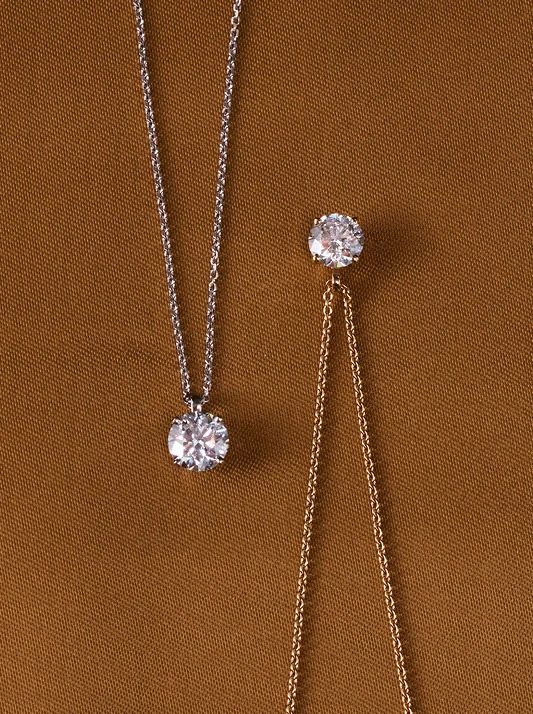
The journey of a natural diamond
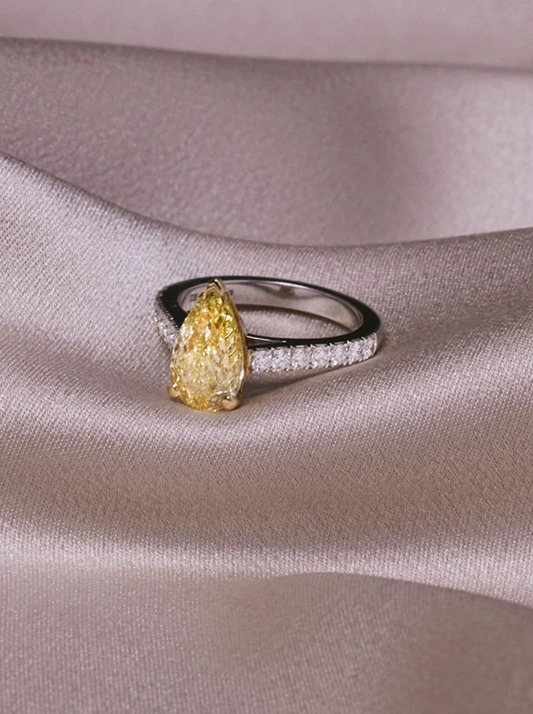
Now you’re aware of the (extremely crucial!) diamond cutting process that turns a rough natural diamond into a glorious, glittering gem, next time you slide your favourite sparkler onto your finger, you might find yourself even more appreciative of the extraordinary efforts that went into creating it.
The journey that your diamond must undertake from deep within the Earth’s mantle to become part of your jewellery oeuvre involves undergoing a meticulous process of cutting, polishing and finessing. It’s much more than just a beautiful piece of jewellery; it’s a precious labour of love.


