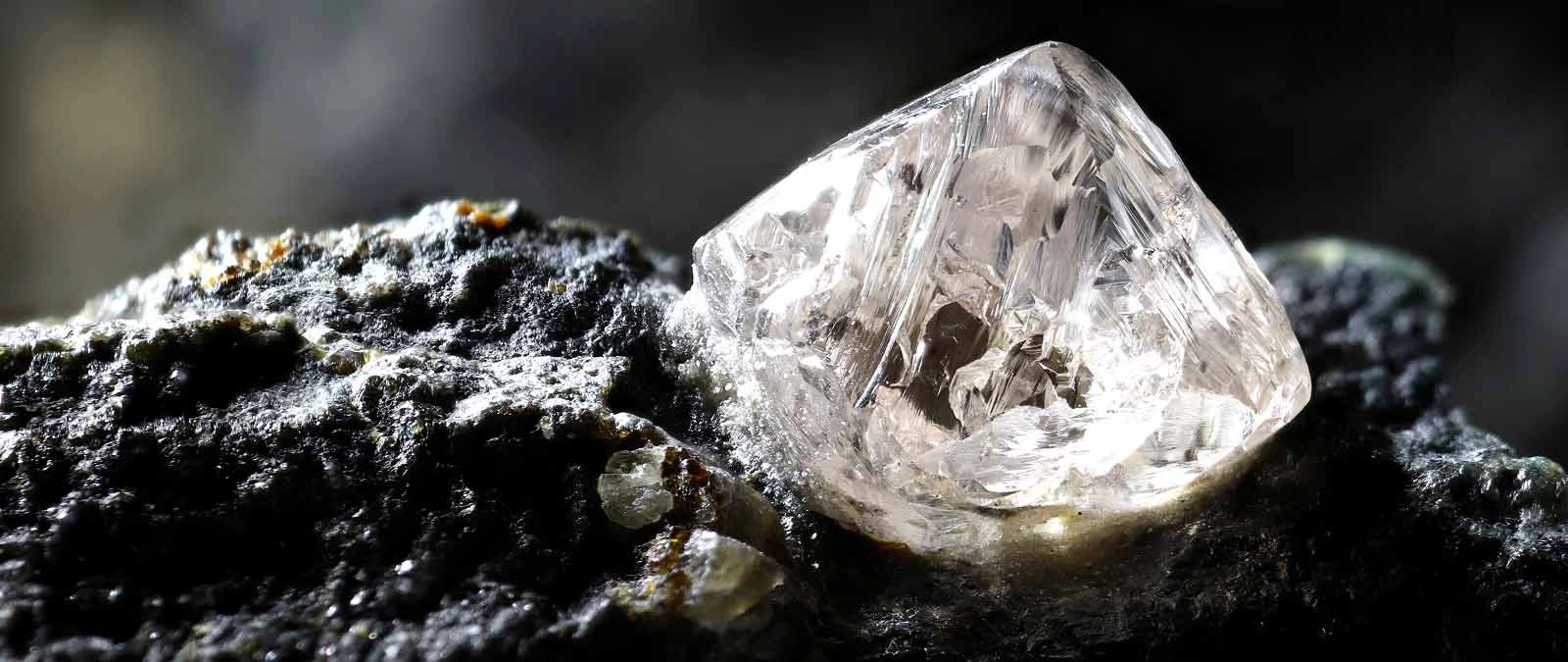
No two natural diamonds are alike. That’s because each of them has a unique origin story. Miracles of Mother Nature, they are created as a result of extreme heat, pressure and the unique chemical makeup of their specific environment, which makes every natural diamond a one-of-a-kind gemstone.
A natural diamond isn’t just a glittering thing of beauty that turns heads; it’s a little piece of the history of the world as we know it.
The history of diamonds and their timeless heritage
When you choose a natural diamond, you’re placing your trust in one of nature’s oldest storytellers. But how old are they, really?
Most were formed 1 to 3.5 billion years ago. For perspective, the earliest evidence of human existence in India dates back to around 1.5 to 1.7 million years ago.1 Diamonds’ rarity and provenance make them the perfect legacy keepers, ideal to be passed down as family heirlooms.
India, specifically, was the world’s sole diamond source for more than 3,000 years; many historians believe that India was trading in diamonds as early as the fourth century BC.2
As per the accounts of the French gem merchant Jean-Baptiste Tavernier, who travelled across the country at the time, India’s diamond deposits were extensive. He recorded how there were over 20 mines in the erstwhile kingdom of Golconda, which was home to some of the world’s most fabled natural diamonds such as the Koh-i-Noor and the Hope Diamond.3
Yet even these rich tales are only the second chapter. The first was written billions of years ago, when diamonds were forged under extreme conditions deep underground.
How are natural diamonds formed?
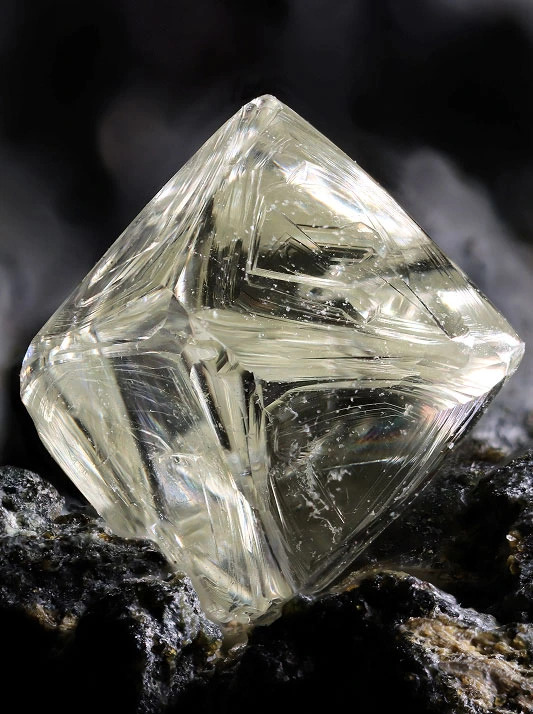
You know what they look like when set in beautiful pieces of jewellery, but how did they come about? Natural diamonds are made of one thing: pure carbon. But not just any carbon; we’re talking ancient stardust that crystallised deep beneath the Earth’s surface under intense heat and pressure.
Diamonds have a unique crystal lattice structure, wherein each carbon atom is bonded to four others. This is what gives natural diamonds their exceptional strength and hardness.
Lab-grown stones, on the other hand, by virtue of being mass produced in batches, don’t possess the same enduring value. They can be manufactured very quickly, sometimes in the span of just three days!
How geological conditions shape natural diamond formation
The Earth is made up of three layers (the crust, the mantle and the core). Natural diamonds form in the mantle, typically about 140 to 200 kilometres beneath the surface. Some rare diamonds may even originate from depths of 700 to 800 kilometres.
Down there, conditions are extreme: temperatures soar to over 1,200°C and pressure can reach up to 6 gigapascal – the equivalent of balancing an upside-down Eiffel Tower on a sugar cube, if you can imagine it!
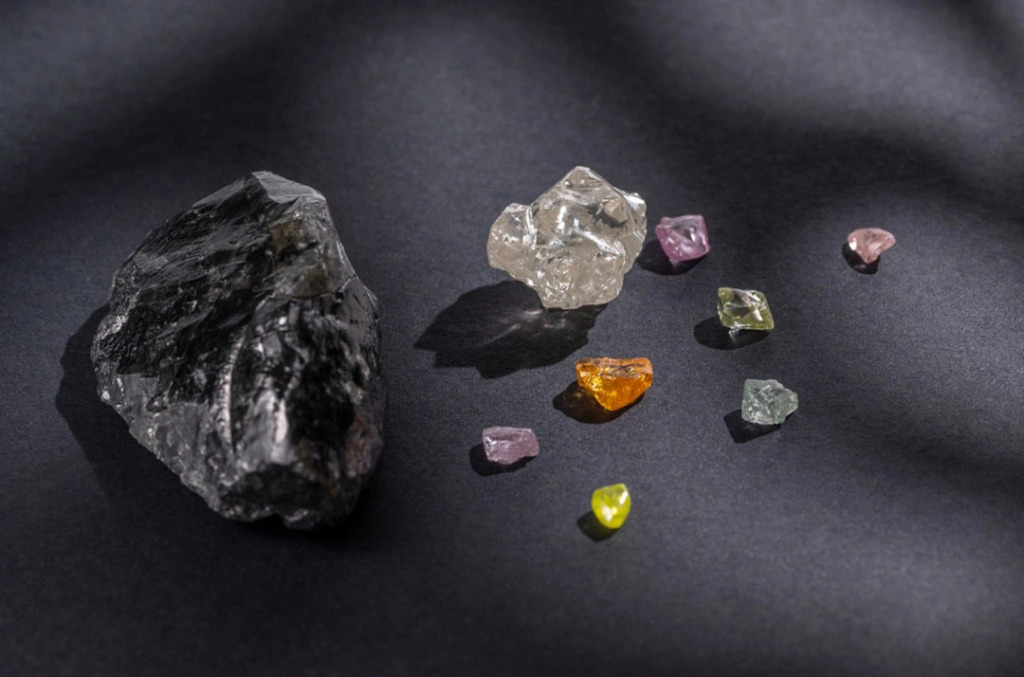
It’s not just heat and pressure that make a diamond, though. The chemical makeup of its environment, including trace elements and minerals, plays a big role in determining a diamond’s final size, colour and clarity. That’s why gemmologists are so obsessed with studying them.
Each gemstone reveals a tiny, glittering clue about the epic geological events happening beneath our feet.
How natural diamonds travel from core to creation
We’ve got ancient volcanoes to thank for the final step in the diamond formation process. After all that time spent forming deep in the Earth’s mantle, diamonds rose to the surface in one of the most dramatic geological events on record.
Here’s how it worked: extreme heat and pressure deep underground contributed to how natural diamonds formed but it was the rare volcanic eruptions that brought them up. Magma (molten rock) surged from about 160 kilometres below ground, carrying diamonds along with it. As it cooled, it formed vertical, carrot-shaped pipes called kimberlites.
Sadly, not all diamonds made it. Many remain trapped far beneath the surface, meaning the diamonds humans have been able to recover are part of a very limited and exclusive group. The last eruption of this kind happened around 20 million years ago, and scientists believe the odds of it happening again are slim.
Why only nature can shape a true natural diamond
When it comes to natural diamond formation, there’s simply no replicating the process. This billion-year geological feat wasn’t invented in a lab or engineered by scientists. Lab-grown stones are producedby one of two methods: High-Pressure, High-Temperature (HPHT) or Chemical Vapor Deposition (CVD).
Expert gemmologists can see the difference in crystal growth structures of natural diamonds and LGDs. To make sure you’re investing in the diamond of your choice, always insist on proof of certification at the time of purchase. It serves as a stamp of authenticity.
The importance of origin when you’re buying diamonds
Why is it so important to understand how diamonds are formed? Being aware of your natural diamond’s provenance, and how it travelled from deep within the Earth all those years ago to get to you, is a way of elevating its meaning. A naturally formed diamond isn’t just an accessory, but a cherished piece of our world’s history.
Whether it’s a pair of diamond hoops for your mother or a bracelet for your best friend, knowing the story behind natural diamonds makes your gift even more sentimental. A gemstone that took billions of years to form carries an emotional weight that few other presents can match.
Origin also builds trust. Traceability and certification reassure you that your diamond has been sourced and traded responsibly, making your choice feel even more significant.
And finally, a billion-year backstory is what sets natural diamonds apart from their lab-grown counterparts. Knowing the incredible journey each natural diamond has been on serves as a reminder of its extraordinary endurance and rarity — something that simply can’t be rivalled.


