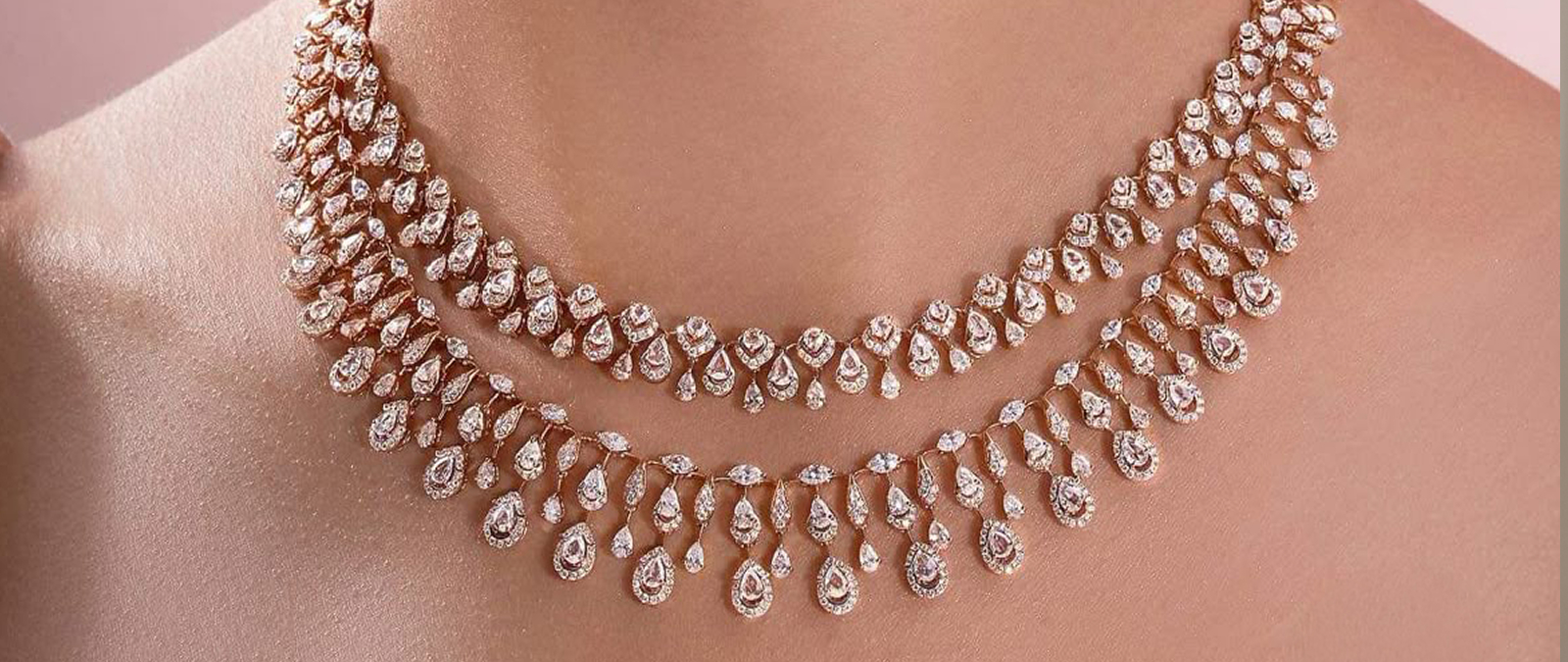
A natural diamond is far more than just an ornament. It becomes part of a family’s history, especially when passed down through generations. A quiet witness to both triumphs and trials, it holds memories that make it even more precious over time.
On a less grand timescale, natural diamond jewellery holds emotional significance in our everyday moments. That flash of joy when you slip on your engagement ring each morning, remembering the magic of the moment you said “yes.” The connection you feel fastening your grandmother’s bracelet — first hers, then your mother’s, and now yours. Or that quiet pride when you step out in the diamond studs you bought yourself, to celebrate a promotion or simply another year around the sun.
Diamond symbolism and the language of love
Did you know the earliest recorded diamonds date back over 2,500 years to India?1 They were collected from rivers and cherished for their mystical properties and unmatched hardness (diamonds are the hardest naturally occurring substance on Earth2).
But these early diamonds weren’t beautifully cut or polished like those we pore over today. Their raw, natural form (known as rough diamonds) has sometimes been compared to quartz or other rough stones, though they were still striking enough to become covetable symbols of luck and love3, even back then.
Ancient Indian texts are replete with fascinating stories of diamond symbolism. From the divine serpent of Lord Shiva wearing a blue coloured diamond that was believed to have magical omniscient powers to Lord Indra’s vajra, a cosmic weapon of indomitable strength that featured natural diamonds, Hindu mythology has always associated diamonds with extraordinary strength and celestial significance.
India’s connection with diamonds doesn’t end there. It goes far beyond mythology and scriptures — as per Vedic astrology, diamonds are considered the representative of Venus (or Shukra), the planet that is believed to govern the sectors of love, beauty, luxury and wealth.
As trade routes expanded, natural diamonds made their way from India to the courts of Europe, where they quickly became seen as rare and powerful treasures. By the 13th century, diamonds began appearing in European royal jewels4, often set into religious relics or ornate coronation regalia.
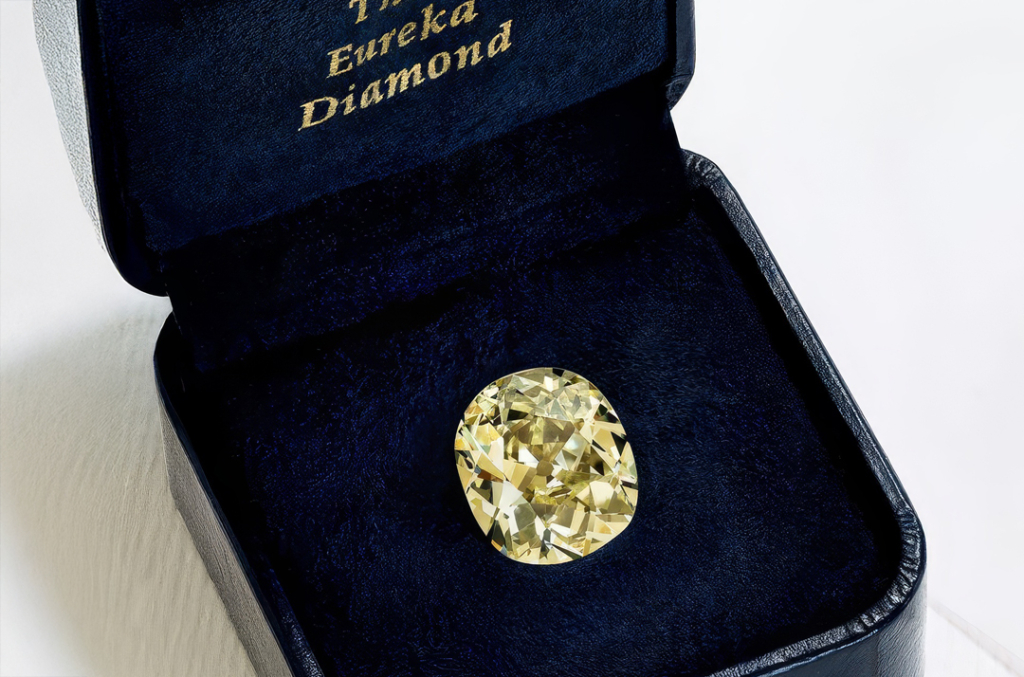
Then came South Africa’s diamond discovery in the 1800s.5 The Eureka Diamond, a 21.25-carat brown-yellow diamond, was found in 1867 by 15-year-old Erasmus Stephanus Jacobs near Hopetown, a farming town that faces onto the mighty Orange River. This discovery set off a diamond rush in South Africa, dramatically changing the accessibility and supply of natural diamonds forever.
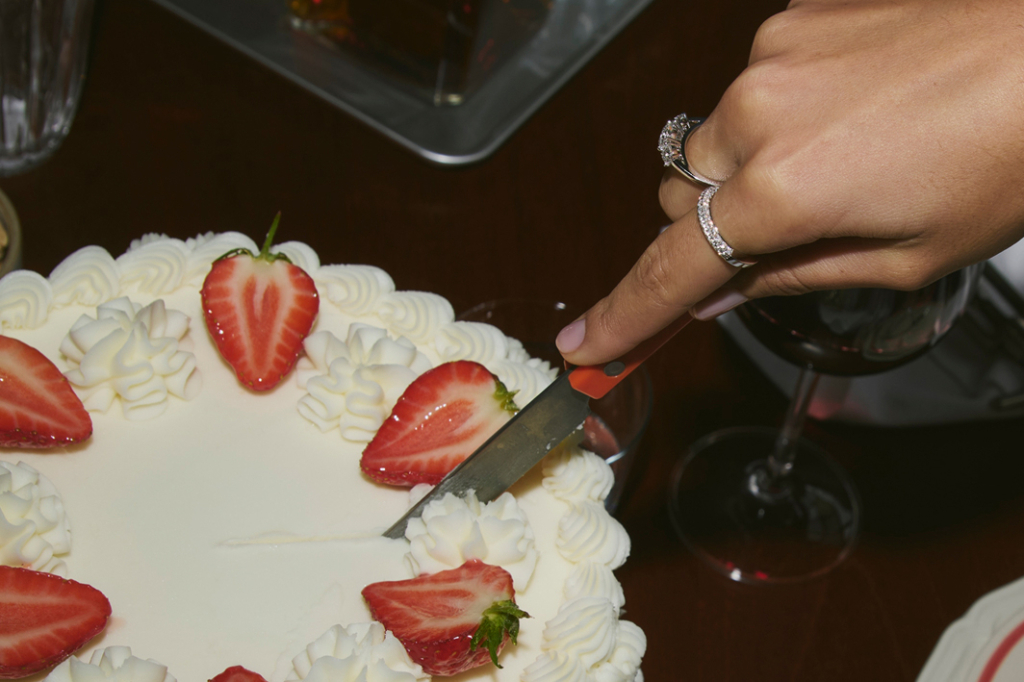
By the 20th century, natural diamonds began to represent something more than adornment — love, longevity and unwavering devotion. A diamond engagement ring became a central part of the modern wedding proposal.
What does a diamond symbolise today? Eternal love and commitment, whether to yourself or to someone else. Diamond jewellery marks both life’s milestones and the quiet, everyday moments that matter.
Why do natural diamonds hold such rarity and value?
Put simply, natural diamonds are precious because they’re incredibly rare. Formed under immense pressure and heat deep within the Earth, each diamond takes billions of years to materialise. Transported further to the surface by volcanic eruptions, only a fraction is accessible to humans and fewer still are of good enough quality to be made into jewellery.
Some of the earliest diamonds to become legendary came from the mines of the Golconda region. Yes, we’re talking about the world’s most famous (and controversial) gems: the Koh-i-Noor, the Hope Diamond, the Darya-i-Noor. India’s contribution to the world of natural diamonds is far from small.
All natural diamonds, including the Golconda jewels, are completely unique. The answer to the question ‘Why are diamonds valuable?’ is simply this: much like a snowflake, each natural diamond has its own unique set of characteristics, making it truly one-of-a-kind. You’ll never find two natural diamonds the same. This is also why they make for fantastic long-term assets, ideal to be passed down as heirloom pieces.
How to determine the worth of a natural diamond
How can you really gauge whether diamonds as an investment are a good idea?
This is where the 4Cs come in: cut, colour, clarity and carat.
While it’s not always quite as straightforward as this, generally a diamond that scores highly across all four Cs is exponentially more valuable than one that doesn’t. If you choose wisely, your natural diamond might even fetch you a fortune at an auction years later, should you decide to part ways with it.
Make sure the certification of your natural diamond is in place though. Be it by De Beers Institute of Diamonds (IOD), International Gemological Institute (IGI), Gemological Institute of America (GIA) or another reliable gemmologist, the natural diamonds worth investing in will always be certified. You want to be sure your diamond is as truly as precious you believe it to be.
Natural diamonds are bought or gifted during life’s most intimate and transformative moments: weddings, births, special achievements and emotional farewells. And as anyone who’s been lucky enough to receive one will tell you, the real value of a diamond is as much about the story behind it as it is about its 4Cs grading.
Natural vs lab-grown diamonds: Which tell a richer story?
Lab-grown diamond alternatives may look the part, but they can’t match the story a natural diamond carries. Its originality and rich history give it unmatched meaning — and with that comes lasting value, investment potential and even secondary-market appreciation.
When examined up close, every natural diamond has its very own unique fingerprint: tiny inclusions (or imperfections), colour quirks and birthmarks of its formation that make it truly one-of-a-kind. Unsurprisingly, many of us feel a stronger connection to a gem forged by nature over billions of years versus something produced in a factory in a matter of weeks.
Past trends suggest that natural diamonds are more likely to retain monetary value than LGD alternatives6, too. The provenance, preciousness and rich history of natural diamonds appeal to collectors, jewellers and buyers so much more.
Natural diamonds, because of how rare and timelessly brilliant they are, make for the perfect markers of moments of emotional and cultural significance. And they will always remain highly sought after.
The real value of a diamond comes from love
As most of us can probably agree, the value of something isn’t down to the amount of money we pay for it, but what it’s worth to us personally. It’s the same with diamonds — everyone’s idea of a ‘priceless’ item will be different.
One person might cherish a bracelet bought to celebrate a special moment. Another might hold their natural diamond engagement ring closest to the heart.
The real value of a natural diamond isn’t just in its rarity, sparkle or brilliance, but its meaning and the story you want it to tell — which, if you ask us, is one of the most valuable gifts of all.
Sources
- Ian Gallacher, When Were Diamonds Discovered? The Untold British Royal Story ↩︎
- Stanford Advanced Materials, The 10 Strongest Materials Known To Man ↩︎
- Only Natural Diamonds, Diamonds: The Rock of Gods ↩︎
- BNT Diamonds, What is the royal history of diamonds? ↩︎
- Cape Town Diamond Museum, South African Diamond History ↩︎
- Insurance Times, Insurance warning issued as value of lab grown diamonds plummet ↩︎


