
In 1947, a young advertising copywriter called Mary Frances Gerety wrote four words that would leave an indelible mark on popular culture. A Diamond is Forever, her slogan for De Beers, did more than sell jewellery. It redefined how natural diamonds were understood, embedding them within the emotional and cultural fabric of modern life.
Nearly 80 years later, the phrase endures as a cultural cornerstone. It has enshrined diamonds in the public imagination not simply as beautiful objects, but as emblems of emotional truth, constancy and personal value. From Hollywood and popular music to contemporary art, it continues to shape how stories of love, identity and feminine power are told.
The A Diamond Is Forever history and how it redefined love, value and permanence
Named by Advertising Age as the best advertising slogan of the 20th century, A Diamond is Forever is one of the most powerful lines ever written for a brand. Its brilliance lies in what it implied. Rather than describing the luminous beauty of natural diamonds, it frames them as something eternal. It links this precious stone, formed over billions of years, with the human desire for constancy.
Mary Frances Gerety and the creation of the A Diamond Is Forever slogan
Gerety’s idea arrived at a moment of cultural recalibration. The post-war years were marked by rebuilding and a search for stability, and the diamond, positioned as immutable, answered that need.
A Diamond Is Forever meaning and why “forever” resonated across generations
Over the decades, the meaning of A Diamond Is Forever has evolved, moving from romantic commitment to a broader expression of self-worth, personal identity and aspiration. The phrase’s cultural force lies in its adaptability. Each generation reinterprets “forever” through its own lens, yet the underlying promise remains intact.
Diamonds in art: from luxury objects to cultural icons
Instead of simply celebrating it, art has often interrogated the emotional charge of diamonds. By the late 20th century, artists began to explore diamonds as symbols of consumer culture, status and desire.
Andy Warhol Diamond Dust Shoes and diamonds as symbols of consumer culture
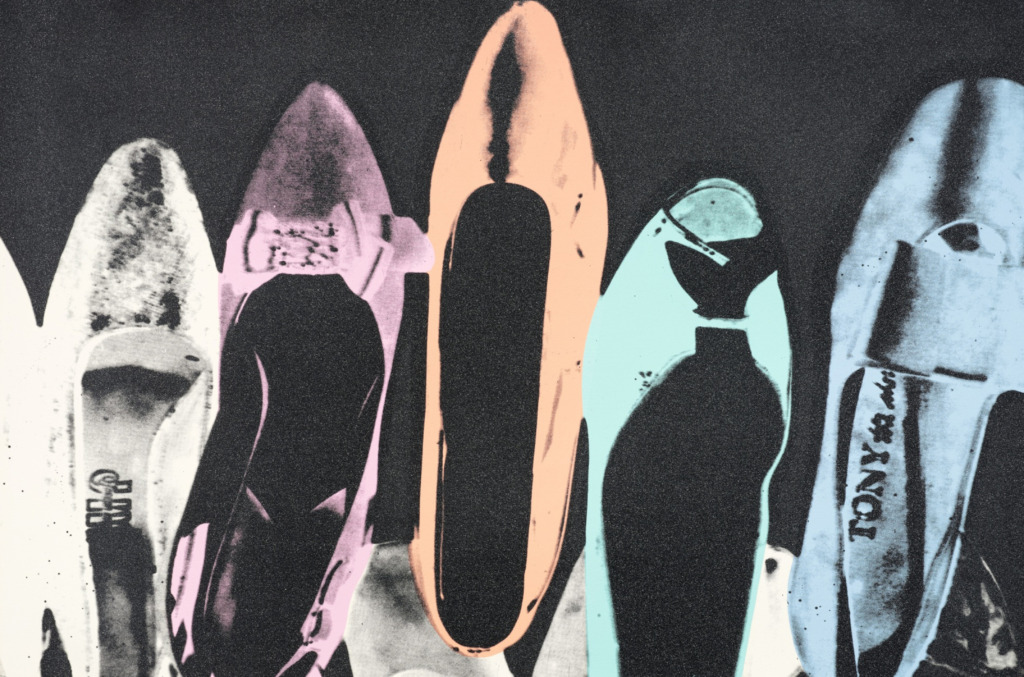
Andy Warhol’s Diamond Dust Shoes series (1980), created using real diamond dust, exemplifies this transition. The work juxtaposes glamour with repetition, turning luxury into a commentary on consumer culture and image-making.
Contemporary interpretations of diamonds in artistic collections
Damien Hirst would later take diamonds in a darker, more theatrical direction. His Diamond Dust series of shimmering butterfly mandalas embellished with crushed diamond fragments explore themes of fragility, beauty and mortality.
And most famously, For the Love of God (2007) a platinum-cast 18th-century human skull set with 8,601 flawless diamonds, including a 52.4-carat pink diamond, transforms death into a dazzling spectacle. The piece is extravagant, almost defiant: the diamond becomes more than ornament, it becomes a challenge to decay.
Diamonds in art as expressions of rarity, status and identity
A series of works in the De Beers collection, curated by Sophie Oppenheimer, extends this conversation in another register. Patrick Caulfield’s Engagement Ring (1963) strips the motif back to its graphic essence, inviting the viewer to reflect on what the ring signifies rather than how it looks. And Vik Muniz’s Pictures of Diamonds series, created between 2004 and 2005, reconstructs images of screen legends such as Rita Hayworth, Marilyn Monroe, Elizabeth Taylor and Audrey Hepburn from thousands of loose diamonds. These portraits of his “diamond divas” are luminous and layered. Celebrity, glamour and material value begin to blur into one another.
Here, diamonds become ideas as much as objects. They carry memory, projection and cultural myth. They are not fixed in meaning but continually reinterpreted.
Diamonds in pop culture: how film shaped symbols of love, power and identity
Cinema was one of the first places where the cultural force of the slogan could fully unfold. Hollywood, with its instinct for symbolism, quickly recognised the narrative potency of diamonds, using them to lend some of cinema’s most iconic scenes an added charge of glamour, desire and meaning.
Marilyn Monroe Diamonds Are a Girl’s Best Friend and the rise of desirability
Few moments in cinema are as iconic as Marilyn Monroe performing “Diamonds Are a Girl’s Best Friend” in Gentlemen Prefer Blondes (1953). Swathed in hot pink satin and bedecked with lavish jewels, Monroe’s breathy rendition was a defining cultural reference point.
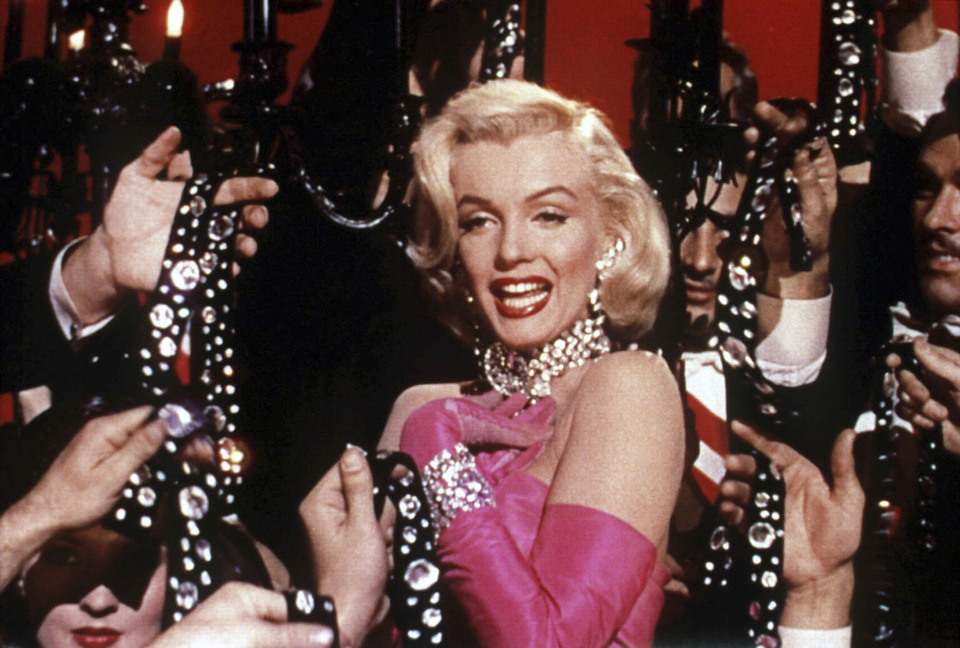
Here, diamonds signalled glamour, desirability and value. They also suggested something cooler and harder. Romance may fade, but diamonds endure: “Square cut or pear shaped, these rocks don’t lose their shape, Diamonds are a girl’s best friend.” The scene is playful, but its subtext is sharper: Monroe’s character understands value and chooses investing in diamonds long term over fleeting romance.
Diamonds in Breakfast at Tiffany’s and aspirational romance
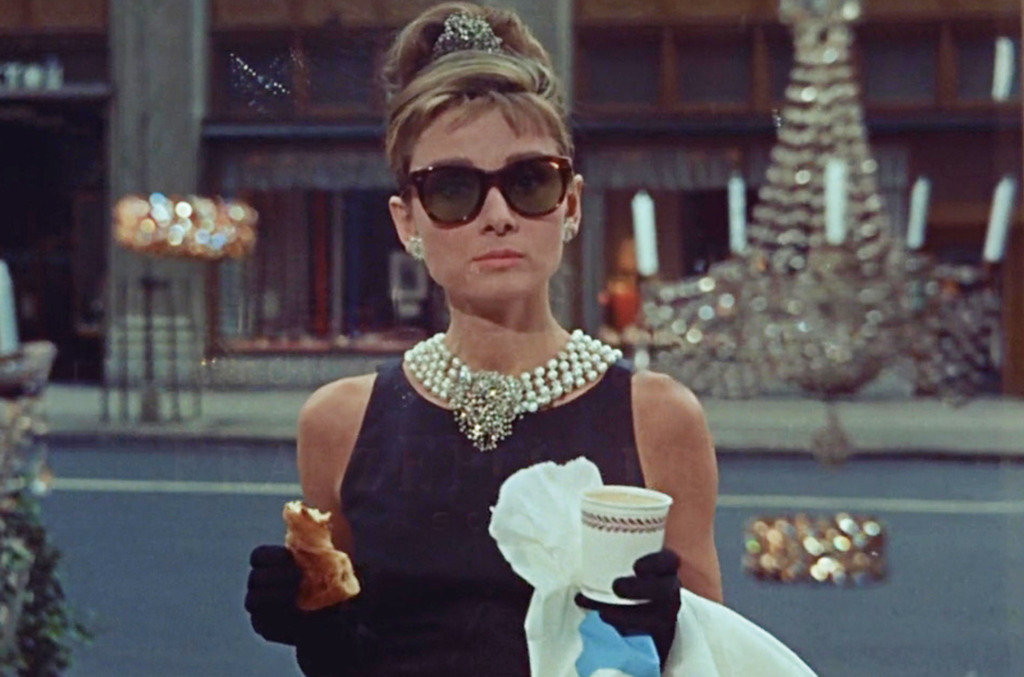
In Breakfast at Tiffany’s (1961), the mood becomes softer and more wistful. Audrey Hepburn’s Holly Golightly moves through a world of elegance, fantasy and vulnerability, where jewels are bound up with longing as much as luxury. Holly’s longing is not simply for wealth and status, but for permanence in an uncertain world. Her diamonds become a proxy for security and belonging.
Diamonds Are Forever James Bond and the connection to power and luxury
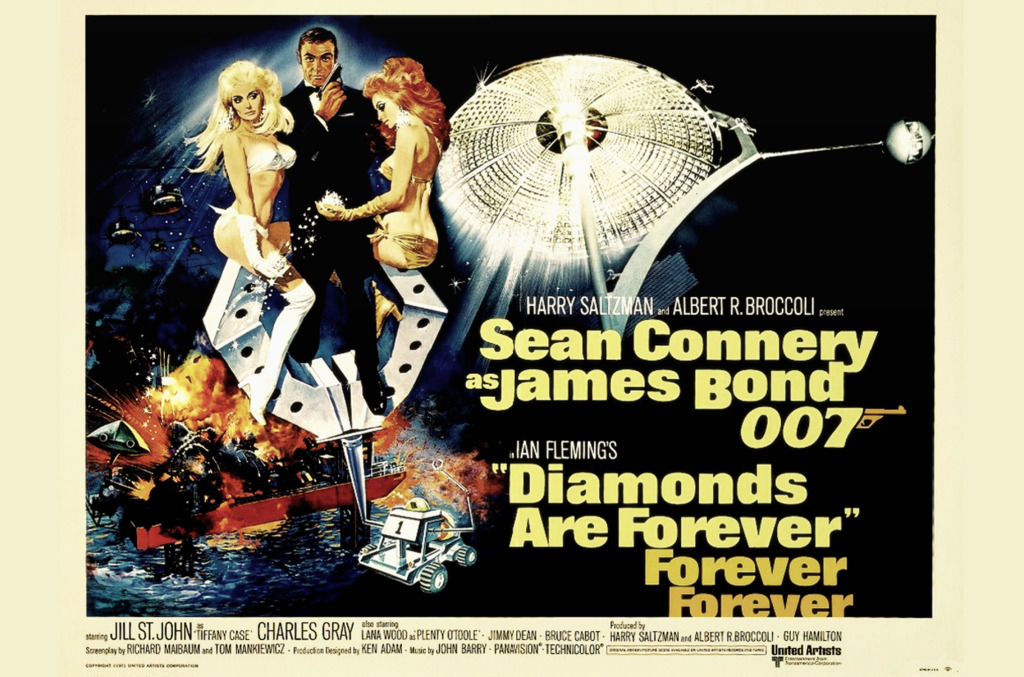
The symbolism shifts again in Diamonds Are Forever (1971). In the James Bond universe, diamonds represent power, danger and international intrigue. Sean Connery’s Bond inhabits a world in which the gemstone is both currency and weapon, reinforcing its association with rarity, influence and danger.
Titanic Heart of the Ocean and enduring love in storytelling
Titanic (1997) offers one of the most emotionally resonant examples of diamonds in film. Here, the fictional Heart of the Ocean, inspired by the Hope Diamond, becomes a vessel for memory, grief and everlasting love. Long after the romance itself has passed, the jewel remains, carrying the emotional afterlife of the story.
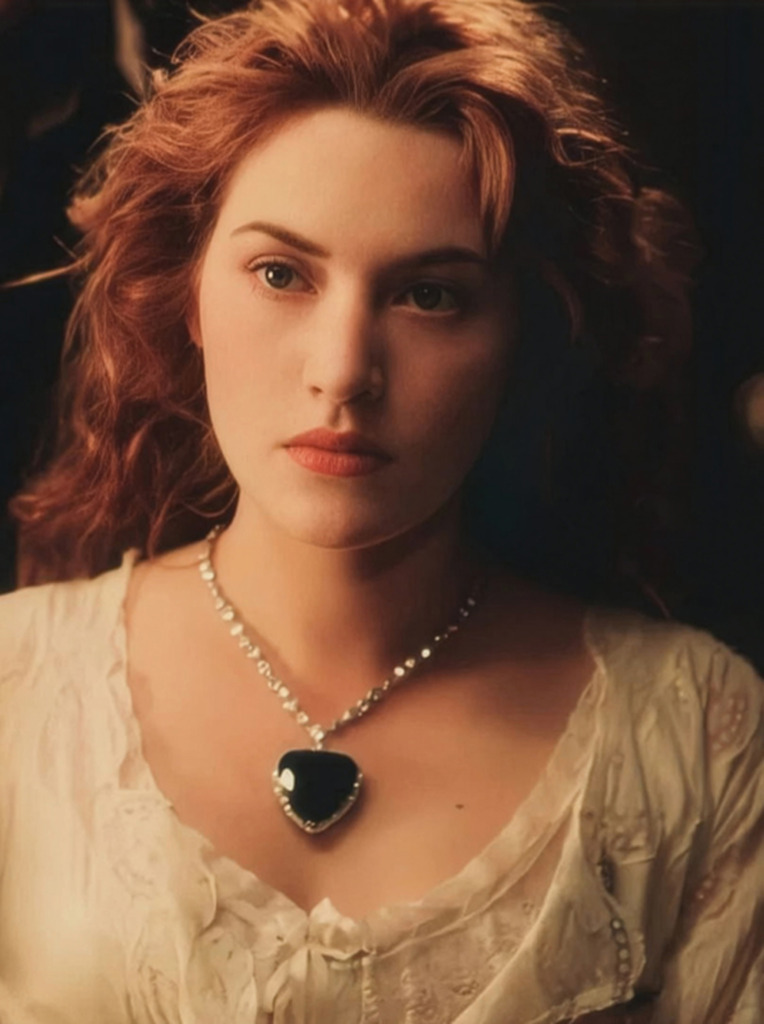
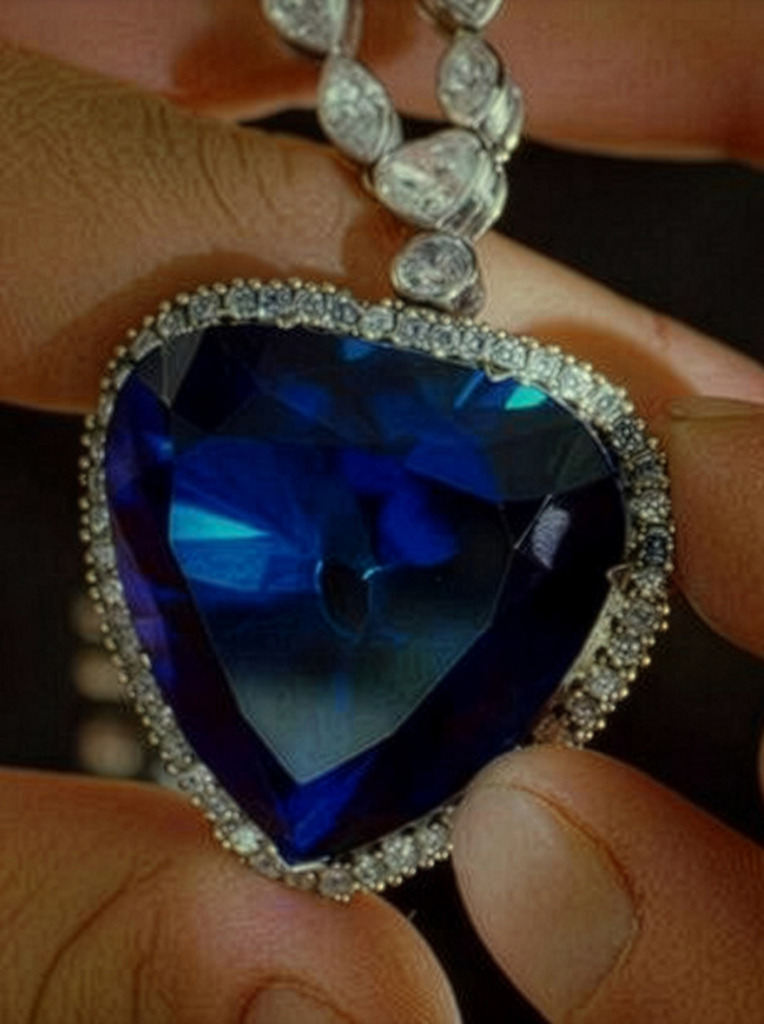
Across these films, diamonds anchor the narrative. Their meaning shifts, but their presence marks moments that endure.
Music and meaning: diamonds as metaphors for strength and self-worth
The wider world of popular culture reveals just how adaptable diamond symbolism has become. In music especially, diamonds have moved beyond the language of romance to express something more individual: confidence, resilience, self-fashioning and control.
Rihanna Diamonds meaning and the idea of inner brilliance
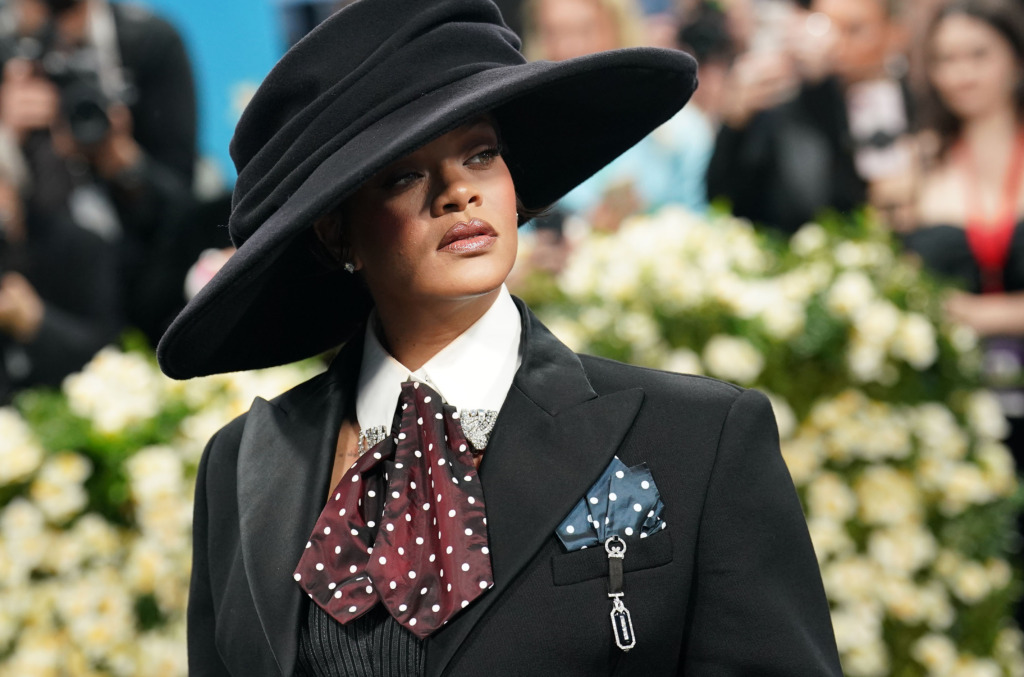
Rihanna’s “Diamonds” is perhaps the clearest example. The song turns the gemstone into a metaphor for radiance and inner strength. “Shine bright like a diamond” has the simplicity of a pop refrain, but also the force of a personal credo. Here, the diamond is no longer simply bestowed, it is embodied.
Diamonds in music as expressions of feminine power and resilience
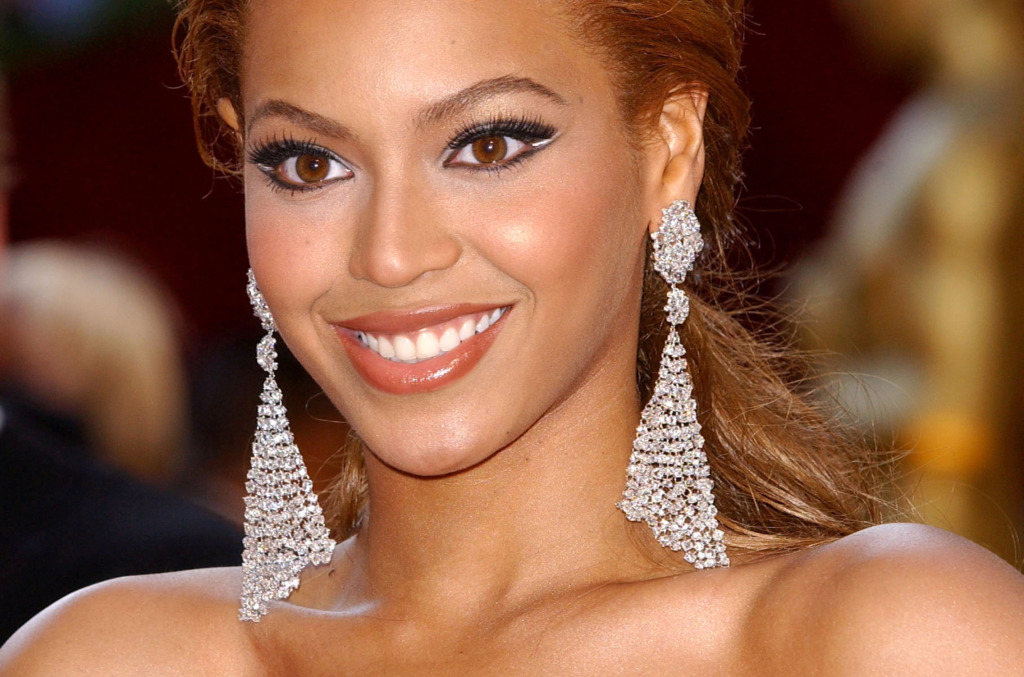
Beyoncé similarly deploys diamond imagery to articulate feminine power, autonomy and marital commitment. In “Flawless” she invokes the industry term for the highest diamond clarity grade of natural diamonds and turns it into a declaration of personal and artistic resilience, while in “Drunk in Love” the diamond, or “rock” signifies both marriage and status.
From material to metaphor: identity, success and cultural influence
In hip-hop, diamonds have long signalled achievement, authorship and presence across gender lines. From diamond-encrusted grills to custom initials and insignia, the stone becomes a declaration of arrival and identity. What matters is not only wealth, but visibility: the right to be seen on one’s own terms.
This shift expands the meaning of diamonds from symbols of romantic exchange to expressions of identity.
Feminine power and the changing meaning of value
One of the most significant evolutions in diamond culture has been the way it intersects with ideas of feminine power. What began as a symbol of romantic commitment has become, for many women, an emblem of independence and self-possession.
Modern relationships and evolving meanings of commitment
The idea of permanence has moved beyond devotion to another person and towards a more expansive understanding of identity and value. A diamond may still signify love, but it can also signify arrival, autonomy or a moment claimed for oneself.
Today, women increasingly buy diamonds to mark their own achievements, transitions and milestones. The narrative has shifted from being chosen to choosing. That is not a break with tradition, but a sophisticated reworking of it.
This evolution aligns with broader societal change. As definitions of relationships diversify, so too do the meanings attached to their symbols. The diamond adapts without losing its core association with rarity and authenticity.
Why the idea of “forever” still matters today
Before the A Diamond Is Forever campaign, there was no established tradition of the diamond engagement ring as the defining symbol of betrothal. The slogan gave it emotional resonance, formalising the link between diamonds, love and commitment, and embedding that idea within social ritual.
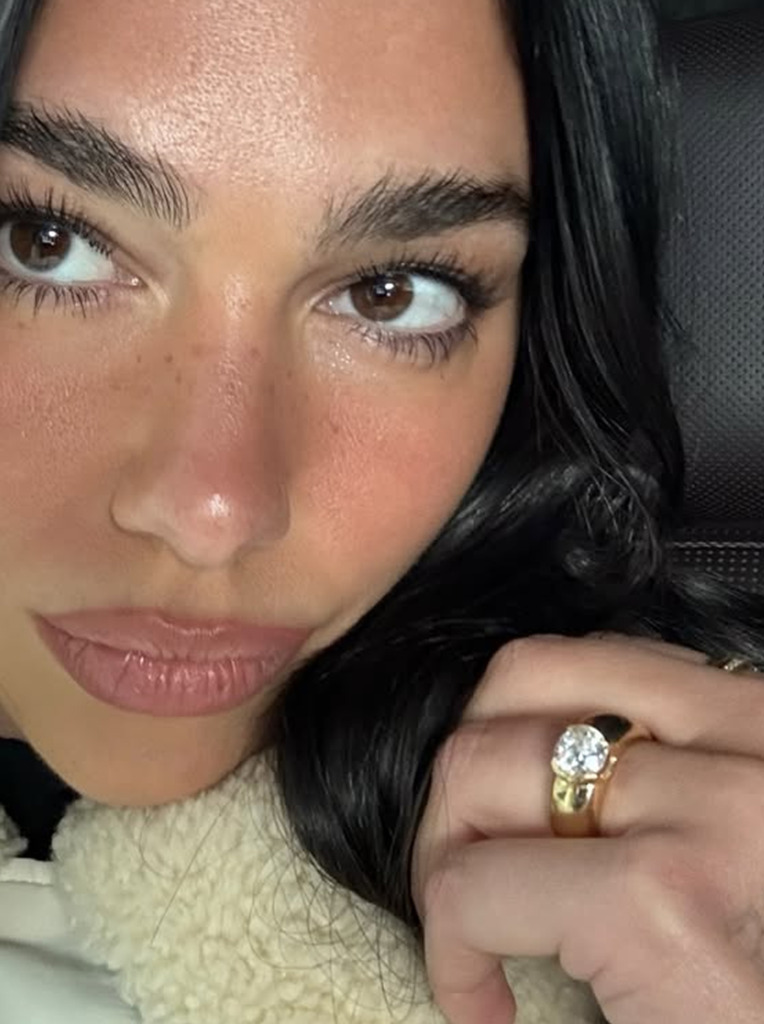
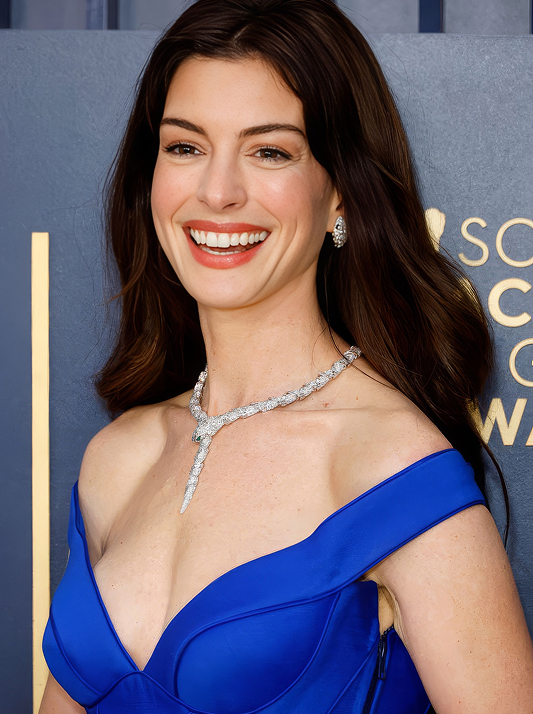
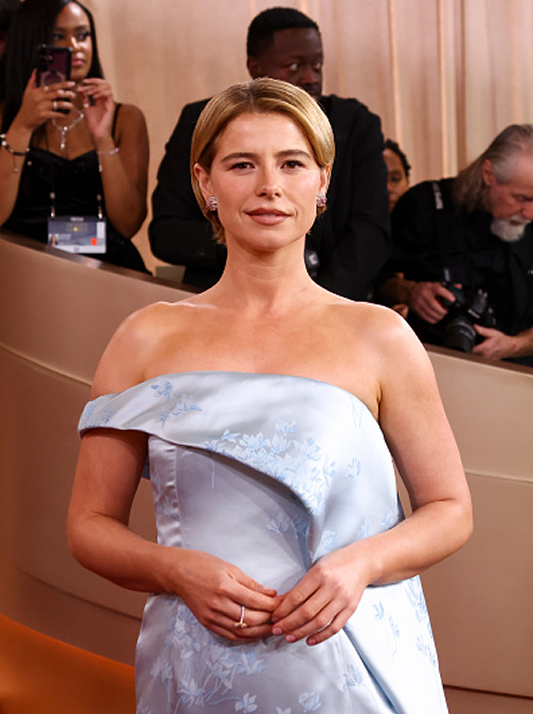
Part of the enduring brilliance of A Diamond Is Forever lies in its openness. It offers a fixed phrase, but not a fixed interpretation. That flexibility has allowed it to travel across decades, sensibilities and cultural forms without losing its force.
Today, “forever” can still evoke romantic love, but it can also suggest legacy, resilience, memory and self-possession. It reflects a culture in which meaning is more personal, more fluid and more consciously shaped than it once was.
Discover the story behind the slogan
Explore A Diamond Is Forever by Assouline
The newly published coffee table book A Diamond Is Forever: The Making of a Cultural Icon, 1926-2026 captures that rich and evolving story. Created by De Beers in collaboration with Assouline, the book explores a century of diamond storytelling and traces the many ways in which the slogan helped shape our collective imagination.
How the slogan reshaped the meaning of diamonds worldwide
Few advertising lines achieve cultural permanence. Fewer still redefine how an object is understood across generations. A Diamond Is Forever did both. Its legacy can be traced through film, art and music, but its deeper impact lies in how it reshaped perception. It established the diamond as a language through which people express what matters most. Love, certainly. But also, memory, identity, power and self-worth. Eighty years on, that language continues to evolve, but the promise remains intact.
Saskia Sissons is a London-based writer and communications consultant with a background in journalism, global luxury and cultural brands. She now advises organisations on brand narrative, storytelling and content strategy while writing about jewellery, style and the business of contemporary luxury
A Diamond Is Forever: The Making of a Cultural Icon, 1926-2026, available now (Assouline)


