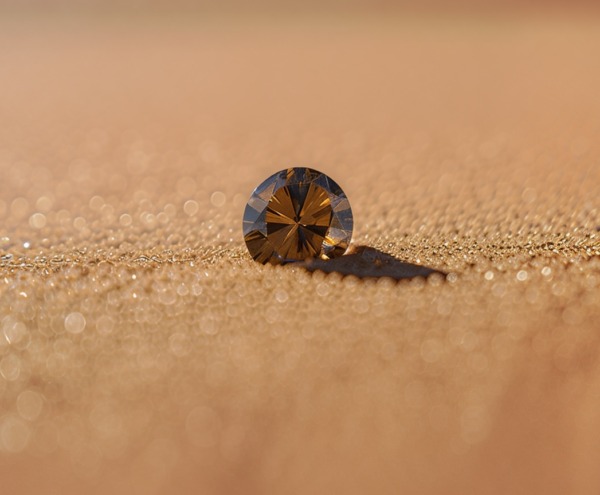
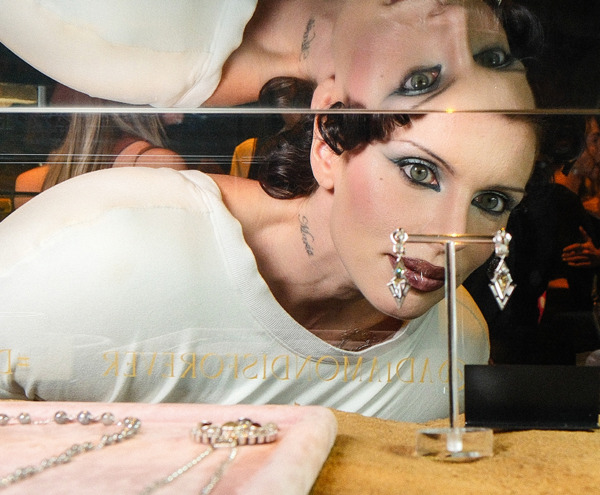
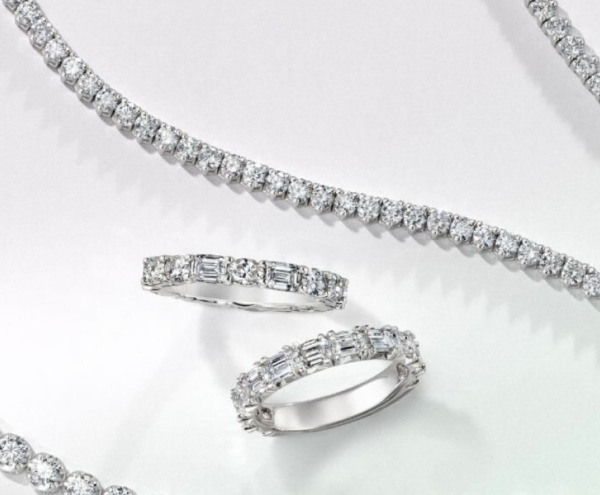
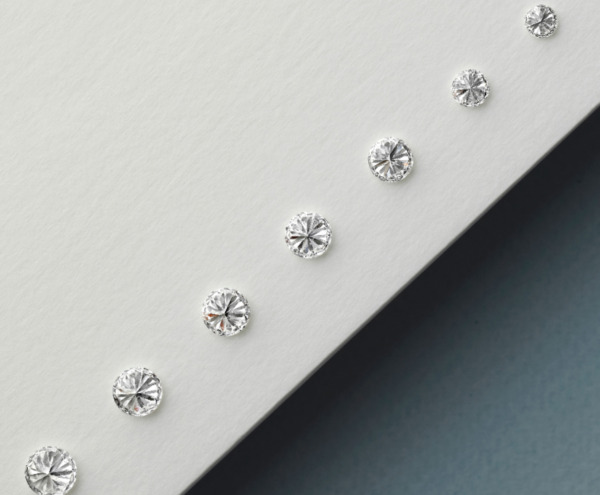

Diamond clarity describes the natural characteristics that make each diamond individual, from barely perceptible inclusions to details visible to the naked eye. Gemologists assess clarity under 10x magnification, considering the size, number, position, nature and relief of these characteristics. Clarity grades range from Flawless to Included, with beauty found across the scale. The best choice comes down to the characteristics that speak to you.
Key takeaways
Spend long enough at a diamond jeweler and you’re likely to hear the word ‘clarity’ mentioned several times. Clarity is one of the 4Cs of diamonds (cut, color, clarity and carat), which helps grade a natural diamond’s characteristics and influences its appearance and value. It refers to internal characteristics, known as inclusions, and external characteristics, known as blemishes.
Think of a diamond’s inclusions as individual characteristics that developed as it formed deep underground (opens in a new window), millions to billions of years ago. Like a freckle on someone’s face, these characteristics help distinguish one natural diamond from another, and their unique patterns mean each one is beautiful and one-of-a-kind.
When it comes to natural diamond formation (opens in a new window), these naturally occurring features can sometimes affect how light travels through a diamond. Cut, however, plays a much greater role in determining its sparkle. Diamonds with a higher clarity grade often sell for much higher prices, but a higher grade doesn’t necessarily make a diamond more beautiful. Much comes down to the characteristics you’re personally drawn to..
How important is clarity in a diamond?
We know that clarity can have a big impact on a diamond’s price, especially at the top end of the scale, but what about appearance?
Unless you’re walking around with a jeweler’s loupe (like a mini magnifying glass used to look closely at gemstones) most people wouldn’t be able to tell the difference between a diamond graded VVS1 and VS1, for example.
Additionally, diamond cutting also affects brilliance far more dramatically than clarity does. In fact, a well-cut natural diamond with a lower clarity grade can outshine a poorly cut but technically flawless one. This is why plenty of jewelers will tell you that clarity influences price more than it influences sparkle.
The key takeaway? Diamond clarity is important and is worth knowing about, but it’s not everything when it comes to shopping for diamonds. Inclusions are part of the individual character of a natural diamond, so choosing a lower clarity grade doesn’t mean choosing a less beautiful diamond.
Understanding the diamond clarity grading scale
When a natural diamond arrives at a lab for grading, it’s evaluated under 10x magnification, the magnification used by the Gemological Institute of America (GIA) to assess clarity. This level of magnification is enough to spot even the tiniest of imperfections that you wouldn’t see with the naked eye. A grader will assess the number, size, type and position of inclusions and blemishes and use that information to determine the diamond’s clarity grade.
The GIA diamond clarity grading scale includes six main categories and 11 grades in total:
FL – Flawless diamond clarity
No inclusions or blemishes are visible to a skilled grader under 10x magnification. These flawless natural diamonds (opens in a new window) sit at the rarest end of the clarity scale, making them particularly prized by collectors.
IF – Internally Flawless diamond clarity
This means there are no internal inclusions, but there could be a very small surface blemish.
VVS1 & VVS2 – Very, Very Slightly Included diamond clarity
Diamonds with this grading have inclusions so minuscule that they’re hard even for trained eyes to detect under 10x magnification.
VS1 & VS2 – Very Slightly Included diamond clarity
Here, a diamond might have minor inclusions that still prove tricky to spot under magnification. Some may appear ‘eye-clean’, meaning their inclusions aren’t visible to the naked eye under normal viewing conditions.
SI1 & SI2 – Slightly Included diamond clarity
This grading means inclusions are noticeable to a skilled grader at 10x magnification and may sometimes be visible to the naked eye. Their patterns can give each natural diamond an individual character, with no two quite alike.
I1, I2 & I3 – Included diamond clarity
Here, inclusions are more readily visible and become part of the diamond’s appearance. Look closely and you’ll find unique patterns and details shaped during its formation.

How clarity grades are determined
In order to protect diamond consumers, a meticulous diamond grading process by a trained gemologist is crucial to help determine the quality and value of a diamond. The same is true when providing a natural diamond with a clarity grade.
The gemologist will follow several steps to conduct a thorough examination of the diamond to determine its clarity grade.
Examination conditions
Using a 10x loupe, the diamond will be assessed under standardized lighting and magnification conditions. Sometimes, for subtler inclusions, higher magnifications are required.
Inclusions and blemishes
The identification of both internal and external inclusions and characteristics to assess size, location, nature and visibility.
Plotting
Each inclusion and blemish identified is plotted on a diagram detailing the unique characteristics of each diamond.
Final grading
A final clarity grade is based on the notable inclusions in the diamond. The GIA Clarity Scale is widely used for diamond clarity grading. Its grading is performed in a controlled environment to strict scientific standards to ensure objectivity, providing a widely recognized and reliable assessment of a diamond’s clarity.
Diamond clarity factors
Gemologists consider a number of factors when evaluating a diamond’s clarity grade.
Size
The size of the inclusions identified during the assessment will impact the clarity grading. Generally the larger the inclusion, the lower the grading.
Position
The location of the inclusion within the diamond is important when it comes to clarity grading. Characteristics identified under the table are more visible, for instance, than those located in the girdle (around the outer edge) of the diamond.
Nature
This refers to the type of inclusion, whether it is a feather, cloud or distinct line within the diamond itself will influence its grading.
Relief
This indicates the visibility of an inclusion within a diamond and how much it contrasts with the diamond itself. An inclusion with a high contrast is referred to as a high-relief inclusion.
Number
Gemologists will consider the number of clarity characteristics present when determining the clarity grade.
What clarity grade is best for you?
While Flawless diamonds might make headlines, there’s no ‘perfect’ clarity grade. It all depends on your budget and your personal taste. For some people, the rarity of an exceptionally high clarity grade is part of the appeal. Others may love the individual inclusions that give their natural diamond its own character. However, there are some general rules-of-thumb that might help sway your decision, if you’re confused about which direction to go in.
Buying an engagement ring (opens in a new window)? Take the time to look at different clarity grades in person. A VS2 or SI1 natural diamond can have beautiful, individual characteristics, and you may find yourself drawn to the particular pattern of inclusions within it. Round, oval and cushion-cut diamonds can interact with these characteristics differently, so consider the diamond as a whole rather than focusing on its clarity grade alone.
Your budget can also help you decide which characteristics matter most to you. Choosing an SI1, for example, could leave more room for the carat weight, color or cut you love. Ultimately, clarity is one part of the picture. The right natural diamond is the one whose combination of characteristics catches your eye.


When should clarity take priority?
There are a few cases when clarity should move up your list of priorities, if your budget allows:
- If you are buying a larger diamond (opens in a new window) that’s two carats or greater: clarity characteristics can be easier to see as carat size increases. Look at the diamond in person and consider how its inclusions contribute to its overall appearance before deciding which clarity grade feels right for you.
- If you’re interested in step cuts like emerald or Asscher: their large, open facets can make inclusions more visible than in brilliant-cut shapes. If you prefer fewer visible inclusions, you may want to consider a higher clarity grade, while those drawn to natural characteristics may prefer a diamond where they form part of its look.
- If you’re interested in building your diamond jewelry collection (opens in a new window): consider what you value most. Flawless and Internally Flawless natural diamonds offer exceptional rarity, while diamonds with visible inclusions can offer fascinating characteristics that are entirely their own.
While knowing about the diamond clarity chart and to keep your eyes peeled for inclusions can be helpful as a starting point, try not to overthink things too much. After all, you can still rock a seriously head-turning piece of jewelry without it being technically ‘perfect’. The most appealing natural diamond is ultimately the one whose individual characteristics speak to you.
FAQs
How does diamond clarity affect how color appears?
Depending on the final clarity grade, the color of the diamond can be significantly impacted. If there are relatively few inclusions, and the diamond has a high clarity grade it may appear colorless. Diamonds with a lower clarity grade can often have a diamond color with tints of yellow or brown.
Does clarity influence how well a diamond sparkles compared to cut quality?
The internal and external inclusions in a diamond are usually identified by a gemologist using a 10x loupe and are not visible to the naked eye. While the inclusions can impact the appearance of the diamond overall, other factors are crucial to influencing its sparkle, including diamond cut as it directly affects how the diamond reflects and retracts light.
Will inclusions affect how my diamond looks in photos?
The higher the clarity grade the less likely it is that the inclusions in your diamond will be visible in photography, especially as the majority of identified characteristics will not be visible to the naked eye. The appearance of the diamond can be impacted with lower clarity grade diamonds but it is important to consider other factors such as the angle the image was taken from and the lighting. Ask your jeweler for guidance on how your specific diamond can look its best in photography.
How can I tell if my diamond is natural and what does that mean for clarity?
Natural diamonds and lab-grown diamonds are graded differently. While several organisations will grade real diamonds using the 4Cs: cut, color, carat and, of course, clarity, many, including the Gemological Institute of America (GIA), grade LGDs using a different system categorizing them as ‘Premium’ or ‘Standard’ or not at all if the quality is below par. The changes in the way diamonds are graded is in response to a growing demand for consumers to understand the difference between natural and synthetic diamonds.
Can clarity impact my choice of customized diamond jewelry?
The higher the clarity grade the greater the absence of internal inclusions and external blemishes, which significantly influences value, brilliance and sparkle of a natural diamond, and consequently the design and aesthetic appeal of diamond jewelry.
Sources
- Gemological Institute of America (GIA), “Clarity is the Key to Quality” https://4cs.gia.edu/en-us/diamond-clarity (opens in a new window), accessed 25 September 2026.
- Debeers.co.uk, The 4Cs of diamonds ↩︎
- Diamonds.pro, A guide to the diamond clarity chart ↩︎
- 4cs.gia.edu, What’s the difference in diamond clarity? ↩︎
- 4cs.gia.edu, What’s the difference in diamond clarity? ↩︎
- 4cs.gia.edu, Diamond clarity ↩︎
- 4cs.gia.edu, Diamond clarity ↩︎
- 4cs.gia.edu, Diamond clarity ↩︎
- Diamonds.pro, Guide to SI1 Clarity Diamonds ↩︎


