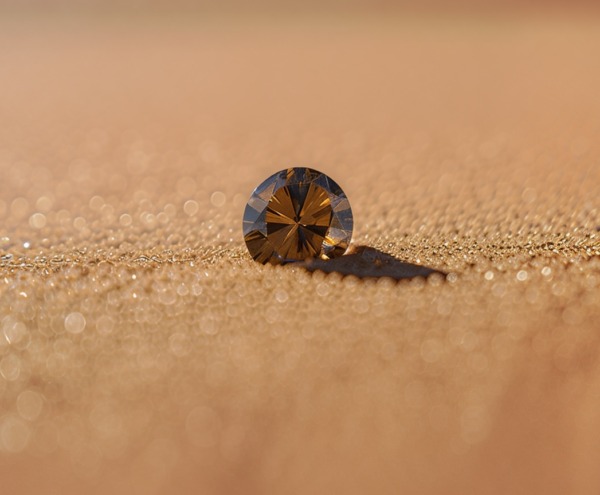
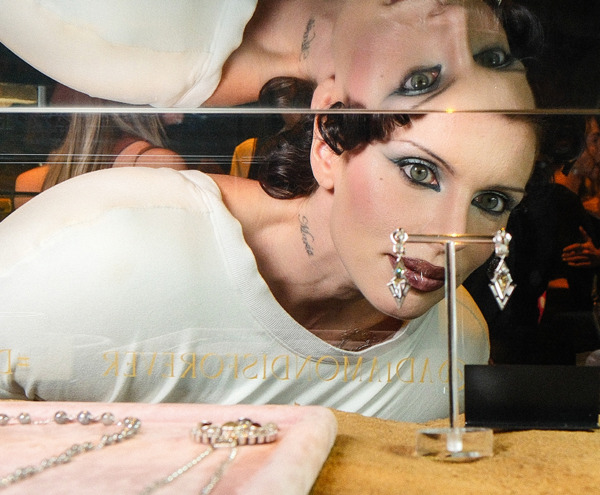
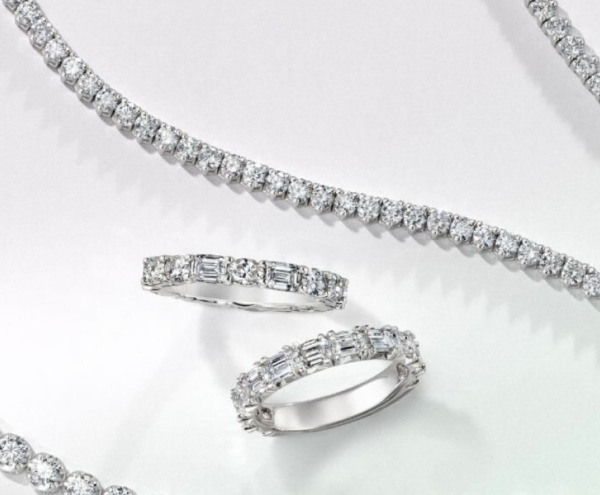
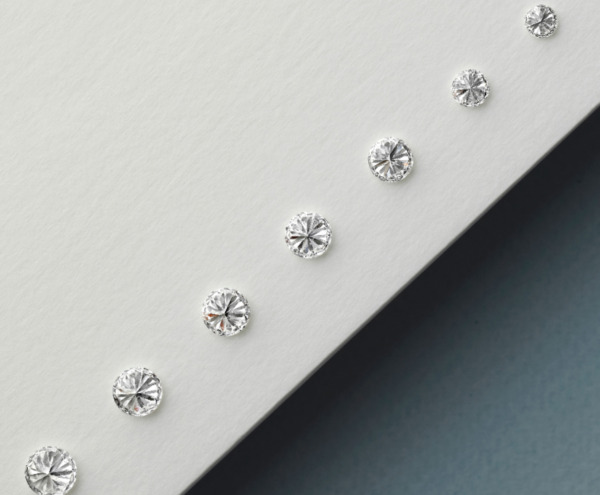

There’s a reason antique lovers light up at the mention of an old mine cut diamond. It’s the softly squared outline; the high crown rising proudly above the setting; the open culet that winks from the centre. It’s the character you only find when you understand the 4Cs of diamonds – carat, colour, clarity and cut – expressed here with warmth, individuality and hand-shaped brilliance. This is sparkle with memory, a glow shaped by human hands long before modern machinery began chasing perfect symmetry.
An old mine cut diamond is a hand-cut natural diamond from the 18th and 19th centuries, defined by its cushion-like shape, small table, high crown and broad, candlelit flashes of light.
That difference matters. These diamonds were fashioned to glow under candlelight, not fluorescents, which explains their slower, chunkier sparkle and gentle irregularity. No two are identical. That individuality is the luxury.
This is your guide to old mine cut diamonds: their history, how to recognize the old mine cut diamond shape at a glance, the old mine cut vs old European cut comparison, how old mine cut diamonds sparkle differently, and their nuanced characteristics when it comes to value, rarity and ethics.
If old mine cut diamond engagement rings are on your radar, consider this your insider’s brief.
What is an old mine cut diamond?
An old mine cut diamond is one of the earliest brilliant styles, hand-shaped from natural diamonds in the 18th and 19th centuries. Think softly squared, gently rounded corners and proportions that feel taller and deeper than what we’re used to today.
What makes it special is the way it was shaped. Cutters followed the natural form of the rough and worked by eye, not by formula. That means proportions vary from gem to gem. A slightly uneven outline or visible culet is common and entirely part of the charm.
There are three quick ways to spot one. A high crown that rises proudly from the setting. A smaller table at the top. And broad, soft flashes of light rather than sharp, glittery sparkle.
Among antique diamond styles, the old mine cut feels particularly personal, defined by individuality rather than uniformity.

Old mine cut diamond history
The old mine cut diamond became popular in the early 18th century, as new Brazilian deposits expanded the natural diamond supply and gave cutters more freedom to refine brilliant styles. It went on to define much of the diamond jewelry seen in the Georgian and Victorian eras, before modern precision reshaped expectations.
Cutters worked with the natural rough and relied on experience rather than strict measurements, an era of handcrafted diamond cutting in the truest sense. Proportions were adjusted to suit candlelit interiors, which explains the higher crowns, smaller tables and broader facets that produce a slower, warmer glow rather than sharp, rapid brilliance.
By the late 19th century, preferences began to shift toward rounder, more symmetrical outlines. The old European cut followed, then the calibrated modern round brilliant.
Old mine cut diamond shape
Once you know the signs, the old mine cut diamond shape is hard to miss. Think softly square, gently rounded corners and a silhouette that feels less engineered, more human.
Hallmark proportions: table, crown, culet
Here’s what to look for:
Smaller table
The top surface is compact, which pulls your eye inward and gives the diamond a more intimate, vintage feel.
Higher crown
From the side, it rises noticeably from the setting. There’s real height and depth, not a flat profile.
Visible culet
Look straight down, and you may see a small facet in the center. That open culet is a classic antique tell.
Subtle unevenness
The outline may not be perfectly symmetrical. That variation is expected. These were hand-cut, not calibrated by machine.
ADIF tip: Start face-up to check for a visible culet, then tilt it sideways. Extra height plus softly rounded corners usually signal an old mine cut.
Facets and “chunky” pattern
Old mine cuts are known for their broader, less uniform facet pattern. The facets are larger and often slightly irregular, which creates what collectors call a “chunky” look. Instead of rapid, pin-sharp sparkle, you’ll see slower, bolder shifts of light across the surface.
This isn’t a technical shortcoming. It’s an aesthetic. Where modern brilliants aim for crisp, calibrated brilliance, old mine cuts lean into character and contrast. The patterning is more pronounced, almost mosaic-like, especially in motion.
What to look for in photos and videos
If you’re considering an old mine cut diamond, don’t rely on a single still image. Watch it move; its character is clearer in motion.
Use this quick visual checklist:
Visible culet
Look straight down through the table. You may spot a small facet or open point at the center
Softly squared outline
The shape should feel gently cushion-like, not perfectly round or sharply geometric.
Not-quite-perfect symmetry
Slight unevenness in its outline or facet alignment.
Try to see the diamond in more than one lighting environment. Soft indoor light, natural daylight, and even evening light if possible. View face-up to understand the facet pattern, then from the side to check the height of the crown and overall depth. You’re assessing personality, not just proportions on paper.
Do old mine cut diamonds sparkle?
Yes, but differently from a modern brilliant.
Old mine cut diamonds usually show less overall brightness and more fire, meaning stronger flashes of color rather than constant white shine. Their broader facets create slower, more defined shifts of light instead of rapid, uniform sparkle.

The Taylor effect: old mine cuts in the spotlight
When news broke about Taylor Swifts old mine cut engagement ring from Travis Kelce, antique cuts quietly stepped back into the spotlight. Not as a form of nostalgia but to represent the start of a new story. And one that will endure.
Her ring, designed in collaboration with Artifex Fine Jewelry, centers on an elongated old mine cut diamond, bezel-set in yellow gold with fine filigree along the band. The bezel frames the gem’s antique proportions, while yellow gold enhances the warmth in its facet pattern.
Jewelry designer Steph Mazuera says Taylor’s ring is “very much in step with the desire for individuality and artistry in engagement rings.” Ann Grimmett, vice president of merchandising at Jared Jewelers, describes it as having “an heirloom look that is both romantic and dreamy. It’s traditional with a modern flair.” That balance is exactly the appeal.


ADIF tip: If you’re drawn to old mine cut styling, consider how the setting frames the gem. A bezel or vintage-inspired band can elevate its proportions without overpowering its character.
Old mine cut vs other cuts, what’s the difference?
Both are antique brilliant cuts, but the outline is the giveaway.
Old mine cut vs European cut
The old mine cut is softly square, almost cushion-like, often with a larger visible culet and a bolder, chunkier facet pattern. Its symmetry can feel slightly irregular, which adds to its character.
The old European cut is fully round and more symmetrical. It developed later and became the direct predecessor to the modern round brilliant. The culet is usually smaller, and the overall look feels more centered and balanced.

Old mine cut vs cushion cut
They may share a similar outline, but they come from different eras.
An old mine cut is genuinely antique, shaped by hand with deeper proportions and a distinct, vintage facet pattern.
A modern cushion cut is the evolved version. Proportions are calibrated, the culet is usually closed, and the overall effect is brighter and more consistent under contemporary lighting.
If you want true period character, old mine delivers. If you prefer the shape with modern refinement, cushion is the natural choice.

How to style an old mine cut diamond
An old mine cut comes into its own when the setting respects its proportions.
Halos
Halos can frame the softly squared outline and intensify contrast, especially when paired with delicate micro-set diamonds that highlight the center gem’s broader facet pattern.
Bezel settings
A fine rim of yellow or rose gold outlines the antique shape and enhances the warmth in the diamond’s glow. It also protects the higher crown, which is often more pronounced in these cuts.
Prongs
These work beautifully too, especially claw or talon styles that echo period craftsmanship and allow light to enter from the sides.
Yellow and rose gold
The warmer metal tones mirror the diamond’s softer light performance and feel authentic to its era, while platinum creates sharper contrast for a slightly cleaner finish.
Old mine cut diamonds: value, rarity and ethics explained
Old mine cut diamonds offer more than antique style. Their value, rarity, and ethics are practical considerations that make them a thoughtful choice.
Are old mine cut diamonds rare and valuable?
Yes, genuinely so. Old mine cut diamonds are no longer produced in the same way, and many fine examples were later recut to suit modern tastes. As a result, well-preserved gems with original proportions can be difficult to find.
That scarcity adds to their appeal. Collectors value them not just for age, but for survival. A balanced outline, intact crown height and visible culet all signal a diamond that has retained its historic character rather than being reshaped. Rarity and originality can also influence natural diamond value within the antique market, where condition matters as much as craftsmanship.
They also carry something less measurable: personality. Because each was cut by hand, no two are identical. Subtle asymmetry, slightly varied facet placement and traces of human judgment give every old mine cut diamond its own presence. For buyers who want an engagement ring that feels distinctive rather than standardized, that individuality is often the deciding factor.
Are old mine cut diamonds ethical?
Many old mine cut diamonds are already in circulation, recovered from antique or vintage jewelry and reset into new designs. For some buyers, that second life is part of the appeal. Reusing a natural diamond that has existed for over a century can feel aligned with circular design principles and thoughtful consumption.
Ethics, however, should never be assumed. The key is traceability and transparency. Ask for documentation, any known origin details and clear confirmation that the diamond has been properly authenticated. A reputable jeweler should be able to explain how the gem was sourced and what records accompany it.
For many, choosing an old mine cut is as much about continuity as it is about character. It’s a natural diamond with history, carried forward responsibly.
Why an old mine cut diamond still stands apart
An old mine cut diamond doesn’t try to look modern. Its soft cushion-like outline, higher crown and often visible culet give it a presence that feels distinct. The slight asymmetry, the evidence of hand-cut craftsmanship, the sense that no two are ever quite the same. That’s luxury.
When choosing one, resist the urge to measure it against modern “ideal” standards. Instead, look at the whole picture. Is the outline balanced? Does the facet pattern feel pleasing in motion? How does it perform in daylight, in soft indoor lighting, on the hand? Condition matters. So does proportion. But so does feeling.
Old mine cut diamond engagement rings work best in settings that suit their proportions. Bezel frames, claw prongs and yellow or rose gold can protect the gem while bringing out its warmth and fire. The look nods to the past, but it feels completely right for today.

FAQs
Sources
- www.naturaldiamonds.com/engagement-rings/old-mine-cut-diamond/ ↩︎
- www.4cs.gia.edu/en-us/blog/old-mine-cut-diamond-guide/ ↩︎
- www.4cs.gia.edu/en-us/blog/old-mine-cut-diamond-guide/ ↩︎
- www.naturaldiamonds.com/engagement-rings/old-mine-cut-diamond/ ↩︎
- www.estatediamondjewelry.com/old-mine-cut-diamond/ ↩︎
- www.borsheims.com/blog/what-is-old-mine-cut-diamond/ ↩︎
- www.estatediamondjewelry.com/old-mine-cut-diamond/ ↩︎
- www.4cs.gia.edu/en-us/blog/old-mine-cut-diamond-guide/ ↩︎
- www.elle.com/culture/celebrities/taylor-swift-cushion-cut-diamond-engagement-ring-explained/ ↩︎
- www.4cs.gia.edu/en-us/blog/old-mine-cut-diamond-guide/ ↩︎
- www.blog.brilliance.com/education/cushion-vs-old-mine-cut/ ↩︎
- www.makemyrings.com/en-za/blogs/news/why-old-mine-cut-diamonds-are-more-valuable-5-reasons/ ↩︎
- www.lebrusanstudio.com/blogs/arabels-blog/are-old-cut-diamonds-more-ethical-than-modern-diamonds/ ↩︎
- www.lebrusanstudio.com/blogs/arabels-blog/are-old-cut-diamonds-more-ethical-than-modern-diamonds/ ↩︎
- www.estatediamondjewelry.com/old-mine-cut-diamond/ ↩︎


