
Key takeaways
Antique diamonds are enjoying a pop culture moment. As soon as Taylor Swift unveiled her engagement ring in August 2025, everyone was searching on Google to discover exactly what Old Mine cut diamonds are. The answer? One of the earliest versions of the brilliant cut, hand-shaped in the 18th and 19th century. Swift’s ring, not only reflected her own personal love of vintage style, it reflected a growing trend as more designers are returning to antique cuts such as Old Mine and Portuguese and reimagining them with fresh, wearable elegance.
Many people are turning away from the overly polished and mass produced, and gravitating toward objects with a more unique charm; pieces worn with intention and created with artistry. Antique-style cuts offer that emotional pull. Their facets are shaped by human hands, and every subtle irregularity captures a moment in history. These diamonds were created to glow in candlelight, which gives them a softer, more intimate brilliance that feels especially resonant today.
Their history is rich, their comeback is compelling and the creative ways they are being styled today make antique diamonds one of the most exciting movements in fine jewelry. The deeper you look, the more fascinating they become. Let’s dive in…
What’s old is new again: the rise of vintage diamond cuts
From the candlelit, softer sparkle of an Old Mine cut to the highly faceted brilliance of a Portuguese cut, these handcrafted diamonds are being reimagined for modern wear.
It’s part aesthetic, part attitude. Today’s shoppers are chasing character. They want history, individuality and diamonds that feel personal, not just perfectly polished. And with many vintage gemstones priced more accessibly than their modern counterparts, the appeal is both sentimental and smart.
Why antique diamonds speak to today’s values
Antique is an umbrella term that covers all pre-1920 hand-cut diamonds. These are gems that were shaped by hand using tools and techniques that are far removed from today’s laser precision systems. They feature time-honored cuts like the cushion-shaped Old Mine or the rounded sparkle of the Old European, with larger, less uniform facets, soft edges and higher crowns.
They don’t just look different; they reflect a different mindset. In a world increasingly focused on sustainability, they offer something quietly powerful: beauty with a past, vintage gems made new again. Choosing an antique cut is a conscious nod to the circular economy, giving fresh life to a diamond that’s already lived.
Today, many designers are also reinterpreting antique cuts using newly recovered natural diamonds, blending old-world romance with modern sourcing and bespoke design. With their soft glow, irregular charm and undeniable individuality, these diamonds speak to a new kind of luxury, one that’s thoughtful, expressive and deeply personal.
Modern vs antique diamond cutting: a tale of two philosophies
Modern cuts are all polish and precision; antique cuts are all charm and character. It’s not a rivalry; it’s a dialogue between contemporary sparkle and vintage gleam.

Fire vs brilliance
Antique diamonds prioritize fire (those romantic flashes of color) over all-out brilliance. Cut for candlelight, they glow with warmth and character, each one subtly unique.
Modern diamonds focus on brilliance, with precision-cut facets designed to reflect as much white light as possible. Their symmetry and sparkle speak to contemporary tastes, polished, bright and engineered for maximum impact.
Handmade vs machine-perfect
Antique diamonds were handmade by skilled craftsmen, often guided more by intuition than exact measurements. The result? Gemstones full of subtle quirks and old-world charm.
Modern cuts, meanwhile, use advanced technology to achieve precise angles that deliver a clean, uniform sparkle.
Individuality vs uniformity
Modern cuts are fashioned for contemporary styles. They are sharp and chic. Antique cuts are made with history in mind, celebrating warmth, vintage vibes and the beauty of imperfection. Each suits a different kind of style.
Lately, though, there’s a shift. As fashion leans into individuality, more designers are turning to antique styles, not just for engagement rings, but for everyday pieces that feel timelessly elegant.
The return of Old Mine cut diamonds
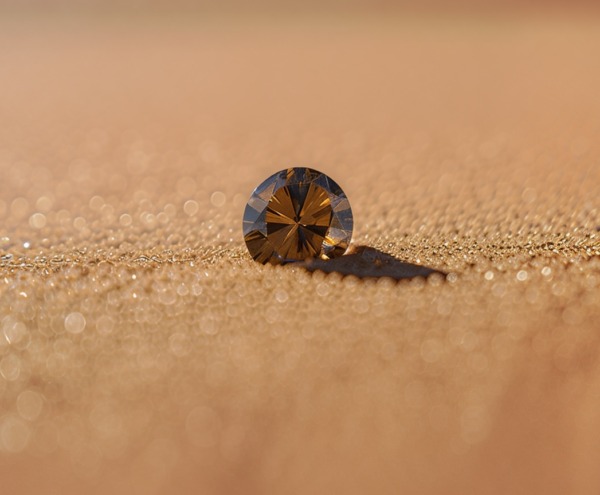
The Old Mine cut is vintage romance in diamond form: softly squared, high-crowned and glowing with gentle warmth. Often mistaken for other antique cuts, it’s easy to spot once you know what to look for: a deep pavilion, open culet, and broad, hand-cut facets that give it a soft, unmistakable glow.
Popular from the Georgian to Edwardian eras, these diamonds weren’t made to dazzle under LEDs, but to reflect the flame of candlelight.
Now they are making a comeback. The Old Mine cut has become a favorite among celebrity couples such as Taylor Swift and Travis Kelce, Tallulah Willis and Justin Acee, and Liam Hemsworth and Gabriella Brooks.
How it differs from other cuts
The Old Mine cut may echo modern shapes, but its charm lies in its quirks. Here’s how it stands apart from today’s favorites.
Old Mine vs Cushion Cut
Both are softly squared, but that’s where the similarities end. Cushion cuts are sleek and symmetrical. Old Mine cuts embrace irregularity: chunkier facets, a smaller table, that signature open culet and a softer glow that feels unmistakably vintage.
Old Mine vs Round Brilliant
Round brilliants are sparkle-first, precision-cut for shine. Old Mines favor charm and a more relaxed kind of beauty.
Old Mine vs Oval Cut
Ovals elongate with polished brilliance. Old Mines are compact and sculptural, with high crowns and a vintage presence that stands out.
Each cut has its strengths, but if you’re drawn to individuality, history and a softer kind of shine, the Old Mine cut may just be for you.
The romance behind vintage diamond cuts
Antique diamonds offer a subtle shimmer that’s full of quirky vintage charm, perfect for couples seeking an old-school, romantic, one-of-a-kind piece that reflects their own story.
They’re often friendlier on the budget, too. Since vintage and antique-style diamonds don’t always play by the 4C rulebook, they’re priced more on presence than precision, and that makes them all the more compelling.
How designers are giving antique diamonds a modern twist
From bespoke creations to capsule collections, modern jewelers are proving that vintage shapes still have plenty to say.
Artifex Fine: the modern heirloom-maker

Artifex Fine proves that heritage and modernity aren’t at odds; they’re magic together. Founder Kindred Lubeck brings antique diamonds into the present with quiet elegance and just the right amount of edge. After designing Taylor Swift’s Old Mine-cut engagement ring, she has recently followed up with a Sotheby’s capsule: a trio of antique gemstones, hand-engraved and heavy with meaning.
Why you’ll love it
If you’re drawn to jewelry that’s rich in texture and hand-finished detail, Artifex Fine will speak your language. When styling an antique diamond cut with intricate hand-engraved details, let the piece take center stage. Style it with minimal accents or wear it solo; it has more than enough personality to stand on its own.
Single Stone: redefining the classic

For LA-based duo Ari and Corina Madilian, vintage isn’t a trend; it’s a foundation. After years spent restoring antique pieces, they began crafting their own collection using repurposed diamonds, recycled metals and traditional techniques. Each piece is unique, celebrating the character of antique cuts through a distinctly modern lens.
Why you’ll love it
If you’re into conscious design with serious sparkle, Single Stone delivers. Their signature look? Antique diamonds framed by bold accent prongs, a fresh, maximalist twist on vintage elegance.
Prounis: history class, but make it chic

Jean Prounis channels her love for ancient art into designs that feel deeply considered and refreshingly understated. Crafted in hand-wrought 22k gold and often set with antique diamonds, her pieces act as a quiet rebellion against high-shine convention.
Why you’ll love it
If your style leans quiet but considered, Prounis might be your perfect match. These are jewels with depth, crafted in rich gold with antique cuts and a refined simplicity that feels modern. To get the look, try chunky bands, warm 22k gold and bezel-set diamonds for a finish that’s both bold and graceful.
The Portuguese cut: a forgotten diamond style making a comeback

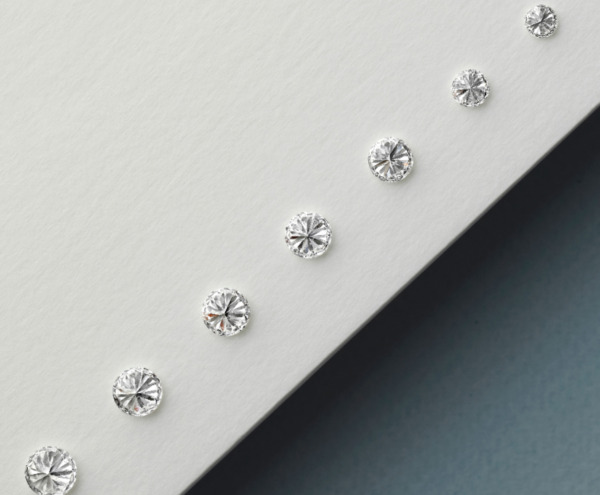
With around 160 facets, the Portuguese cut is among the most intricate diamond styles ever crafted. A masterclass in light play.
Originating in 18th- or 19th-century Europe, it was designed to dazzle in dim light, making it a favorite among royalty. Typically round or oval, it delivers depth, drama and an architectural kind of brilliance.
Once rare, this cut is making a comeback thanks to modern designers who value craftsmanship and diamonds with unmistakable presence.
How to style Portuguese cut diamonds
The Portuguese cut isn’t made to blend in. It shines in bold cocktail rings, vintage-inspired engagement settings (take a cue from Taylor Swift and add engraved details), or as a standout solitaire. With over 160 facets, it catches the light from every angle, making it impossible to overlook.
The past is present
In a world chasing meaning, antique diamond cuts bring more than sparkle; they bring soul. Each hand-cut facet tells a story, every ‘imperfection’ a mark of its maker, each glint a little wink from history. From the candlelit charm of Old Mines to the bold dazzle of Portuguese cuts, these diamonds aren’t just pretty; they’ve got bags of personality.
Today’s designers are taking inspiration from the past and remixing it into something refreshingly contemporary. With new settings, ethical sourcing and serious style, antique diamonds are having a modern moment.
If you’re into character over convention, this revival’s for you.
Editors’ diamond jewelry picks
- Paige’s diamond jewelry picks
- Lynn’s diamond jewelry picks
- Shannon’s diamond jewelry picks
- Tanya’s diamond jewelry picks
FAQs
What makes vintage jewelry desirable?
Vintage jewelry combines distinctive craftsmanship, history and character. For anyone building a diamond jewelry collection (opens in a new window), antique pieces can add cuts and design details that are difficult to find in contemporary jewelry.
Why do collectors seek vintage diamonds?
Collectors seek vintage diamonds for their rarity, history and distinctive hand-cut character. For those investing in diamonds long term (opens in a new window), provenance, quality and rarity can also influence desirability and value.
Do natural diamonds suit heirloom jewelry?
Yes. Their durability, rarity and history make natural diamonds particularly suited to jewelry passed between generations. Heirloom diamonds (opens in a new window) can also gain personal significance through the stories and memories attached to them.
What makes vintage jewelry desirable?
When considering what makes vintage jewelry desirable, it’s worth reflecting on what diamonds represent (opens in a new window). Vintage pieces can carry meanings connected to love, commitment, family history and personal milestones, particularly when they have been passed through generations.
Can lab-grown diamonds replicate vintage appeal?
Lab-grown diamonds can replicate the appearance of vintage diamonds, but vintage appeal goes beyond factors like diamond cut and shape (opens in a new window). An antique natural diamond carries its own history, natural origin and hand-cut character, giving it a connection to the past that a lab-grown diamond cannot replicate.
How does provenance affect vintage diamond value?
Documented provenance can strengthen a diamond’s value (opens in a new window) when it connects a vintage diamond to a notable period, maker or previous owner. Rarity, condition and quality remain important factors too.
Why are natural diamonds popular in vintage jewelry?
Natural diamonds appear throughout historic diamond jewelry, (opens in a new window) giving collectors access to authentic period craftsmanship, distinctive cuts and pieces with a genuine connection to the era in which they were made.
Sources
- www.naturaldiamonds.com/culture-and-style/vintage-diamond-cuts/ ↩︎
- www.gardensofthesun.com/5-reasons-to-love-antique-cut-diamonds/ ↩︎
- www.gatsbyjewellery.co.uk/vintage-diamond-cuts-explained-old-mine-old-euro-and-more/ ↩︎
- www.naturaldiamonds.com/culture-and-style/vintage-diamond-cuts/ ↩︎
- www.naturaldiamonds.com/culture-and-style/vintage-diamond-cuts ↩︎
- www.avadiamonds.net/what-is-an-old-cut-diamond/ ↩︎
- www.avadiamonds.net/what-is-an-old-cut-diamond/ ↩︎
- www.alphajewelry.com/the-return-of-old-mine-cut-diamonds/ ↩︎
- www.avadiamonds.net/what-is-an-old-cut-diamond/ ↩︎
- www.alphajewelry.com/the-return-of-old-mine-cut-diamonds/ ↩︎
- www.alphajewelry.com/the-return-of-old-mine-cut-diamonds/ ↩︎
- www.naturaldiamonds.com/culture-and-style/vintage-diamond-cuts/ ↩︎
- www.singlestone.com/single-stone-style/antique-diamond-cuts/ ↩︎
- www.vogue.com/article/statement-jewelry-wedding-trend/ ↩︎
- https://stienhardt.com/education/the-portuguese-cut-a-forgotten-diamond-style-making-a-comeback/ ↩︎


