
Answer
A split shank engagement ring starts as a single band that parts into two or more strands before it reaches the center diamond. The design has an antique feel, but its origins are undocumented, and it works just as beautifully with modern diamond shapes as with vintage ones. The extra room suits detail, from polished metal to pavé natural diamonds.
Key takeaways
What is the shank on an engagement ring?
The shank, or band, as it’s more commonly known, is the circular part of an engagement ring that wraps around the finger. On a traditional ring setting, it’s a single continuous band. A split shank separates into two or more strands that create visible space between the band and the center diamond.
Splits can range from subtle to dramatic. Some designs divide as they approach the diamond, while others split farther down the band. This unique feature gives personality to ring and space for embellishment. The strands can be simple polished metal or set with smaller diamonds for extra sparkle.

Credit: @aaryah (Instagram)
Where did split shank rings originate?
The exact origin of the split shank is lost to time. The design appears antique or vintage-inspired, but there is no clear evidence of when or where it first appeared. What is known is that the ring style has ebbed and flowed in popularity.
In 2016, GIA identified split shanks as an engagement ring trend, reporting that the divided band gives designers more space for decorative detail. Today, split shanks are paired with both modern and antique diamond shapes and styles.

Are split shank engagement rings popular?
The split shank remains a popular choice for those looking for an alternative to the classic single band. The design is versatile and ranges from elegant to elaborate. Choose a narrow split for an understated look or go wide for a bold finish to a statement piece.
Engagement ring trends in 2026 (opens in a new window) place emphasis on personalization and creativity. Vintage-inspired details, statement styles and bespoke designs give couples more opportunities to create something personal. The split shank is a natural fit if you want a distinctive look.

Credit: @aaryah (Instagram)
What diamond shapes and center-stone sizes look best with a split shank ring?
Engagement rings are personal, and while there’s no single best combination, some shapes work better than others. Create a symmetrical focal point with a round diamond, or play into elongated diamond shapes like oval (opens in a new window), pear (opens in a new window), marquise (opens in a new window) and emerald (opens in a new window).
When choosing an engagement ring size, focus on the proportions of the complete setting rather than just the diamond carat weight (opens in a new window). The center gem should be balanced with the width of the split.
A setting of Pavé diamonds along the shank can give the band a glittering presence, while a plain split keeps more attention on the center diamond. Oval cuts work well because their elongated outline can contrast with the width of the split shank.


How to choose the right metal for a split shank engagement ring
Gold and platinum are both excellent choices for everyday durability.
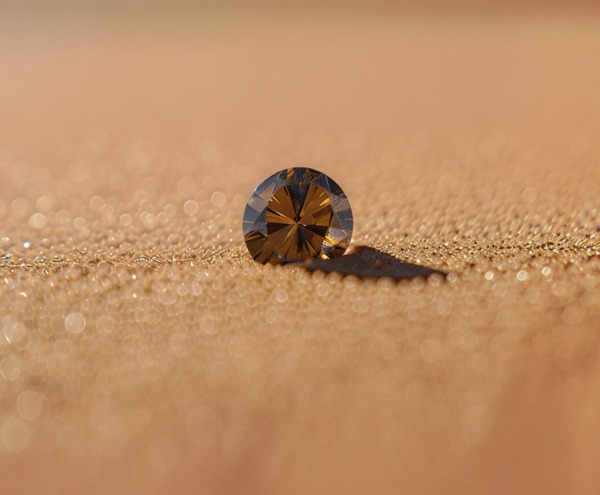
Beyond durability, metal color sets the tone for the diamond. Yellow and rose gold complement the warmer end of GIA’s D-to-Z color scale, including the champagne, honey and whiskey shades of Desert diamonds (opens in a new window). White gold and platinum give a colorless gem a cooler, cleaner backdrop.

FAQs
What are the benefits of a split shank design?
A split shank creates space around the center diamond and gives the setting greater presence. You can keep the divided band simple or embellish it with smaller diamonds, making it adaptable to both understated and detailed engagement ring styles (opens in a new window).
Are split shank rings durable?
If they are well-constructed. Durability depends on the metal, setting, and craftsmanship rather than the split itself. As with other natural diamond engagement rings (opens in a new window), a qualified jeweler should check the prongs, and diamond-set bands should be checked periodically for signs of wear.
How do you choose a timeless wedding band?
Think about how the wedding band sits next to the split shank. A straight band may leave a gap, while a curved or contoured band can follow its outline more closely. For a timeless pairing, take inspiration from antique diamond styles (opens in a new window), where shapes, settings, and details offer ideas for mixing old and new.
How do split shank rings compare with solitaire rings?
A solitaire usually features an understated band to keep the focus on the center diamond. A split shank makes the band a more prominent part of the design. Both can work with a wide range of diamond shapes (opens in a new window). The choice comes down to whether you prefer a minimalist setting or more detail around the center diamond.
Sources
- GIA. Guide to Engagement Ring Settings. https://4cs.gia.edu/en-us/blog/guide-to-ring-settings/ (opens in a new window) Accessed October 1, 2026
- GIA. How to Purchase a Diamond Engagement Ring. https://www.gia.edu/gia-website/gia-news-research-purchase-diamond-engagement-ring (opens in a new window) Accessed October 1, 2026
- GIA. Guide to Engagement Ring Settings. https://4cs.gia.edu/en-us/blog/guide-to-ring-settings/ (opens in a new window) Accessed October 1, 2026


