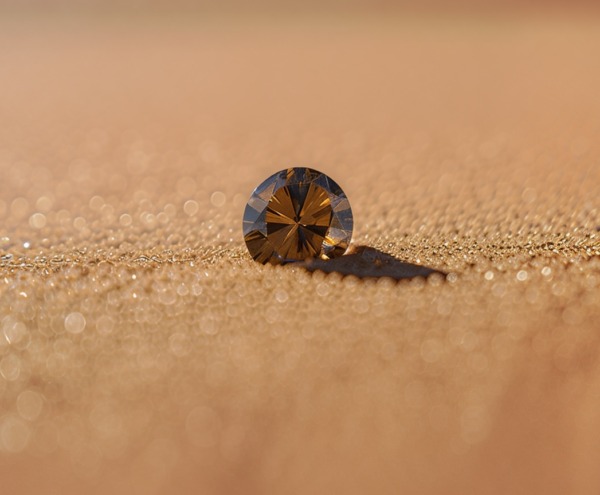
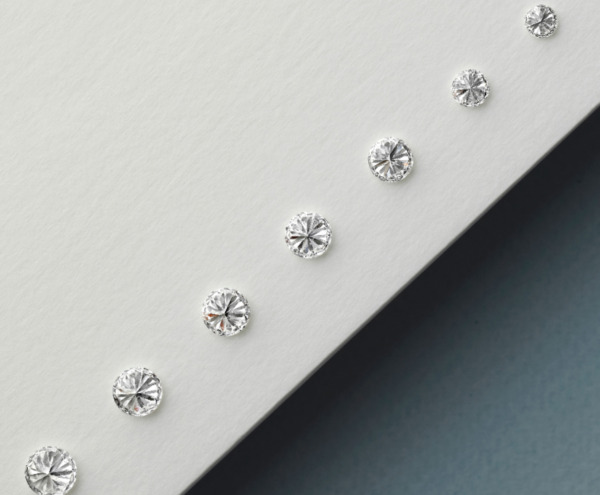

A cushion-cut diamond never really goes out of style. The softly rounded outline has been loved since the days of candlelit ballrooms and antique jewelry boxes, yet it still feels fresh on today’s engagement ring mood boards.
While it may be known as a cushion cut diamond, the cushion is a shape, and one of the oldest in diamond history. Dating back to the 18th century, the cutting styles applied to it are either a cushion brilliant or a modified brilliant. That distinction is what creates the two very different sparkle personalities cushion-shaped diamonds are known for.
That variety is a big part of the appeal. From chunky antique-inspired faceting to modern crushed ice styles, no two cushion-shaped diamonds look exactly alike, and this guide covers everything worth knowing before choosing one.
What is a cushion-cut diamond?
A cushion-cut diamond has a square or rectangular outline with softly rounded corners, creating the pillow-like silhouette the shape is known for. The facets are carefully arranged to disperse light in a softer, more romantic way than the sharper lines of a princess-shaped diamond or the crisp symmetry of a round brilliant.
Most cushion cuts are square, with a length-to-width ratio between 1.00 and 1.101, though elongated rectangular versions have become increasingly popular.
Like all diamonds, their beauty comes down to the 4Cs of diamonds: cut, color, clarity and carat weight. Because cushion cuts don’t have official cut grades, proportions and craftsmanship matter even more2.
Part of the appeal is that no two cushion cuts look exactly alike. Some have chunky antique-style facets, while others feature the modern “crushed ice” sparkle loved for its intense brilliance.

The history of cushion-cut diamonds
The cushion-cut diamond dates back to the 18th century, making it one of the oldest styles in diamond history. Early versions, known as old mine cuts, were designed to glow under candlelight, with higher crowns, deeper pavilions and larger facets that created softer flashes of light than modern diamonds3.
These antique cuts reflected the individuality of natural diamond formation, as early cutters shaped each diamond by hand to preserve its natural beauty and carat weight.
By the late 19th century, cushion cuts evolved, becoming more symmetrical and refined. Today’s versions range from classic antique-inspired cuts to modern modified cushions with extra facets for a brighter, “crushed ice” sparkle.
Some of the world’s most famous diamonds, including the Hope Diamond, have featured cushion-style cuts, proving the shape’s lasting appeal across centuries of jewelry design4.

Types of cushion-cut diamonds
One of the reasons cushion cuts remain so popular is the sheer variety within the shape itself. Unlike some more uniform diamond shapes, cushion cuts can look dramatically different depending on their faceting style, proportions and overall silhouette.
Cushion brilliant cuts
A cushion brilliant cut features larger, open facets arranged similarly that of a round brilliant diamond. The facets extend from the center of the diamond toward the girdle, creating broader flashes of light and a softer, almost candlelit sparkle. It’s the version most closely associated with antique-inspired engagement rings and classic jewelry design5.
For buyers wondering, “Do natural diamonds hold value?”, cushion brilliant cuts are often appreciated for their classic appeal and enduring popularity, particularly among collectors drawn to vintage-inspired jewelry. This is a cut that has appeared in historic pieces like the Napoleon Diamond Necklace and the British Imperial State Crown6.
The appeal hasn’t faded with time, either. Today, cushion cuts continue to appear on the fingers of some of our favorite celebrities, proving the shape feels just as relevant now as it did centuries ago7.

This cut may be for you if:
You love softer, candlelit sparkle, gravitate toward heirloom-style rings or want a diamond that feels romantic rather than ultra-modern.
Modified cushion cuts
This style is the result of evolving diamond crafting techniques designed to maximize brilliance and scintillation. Modified cushion brilliant cuts use additional facets beneath the girdle, creating a more fragmented sparkle pattern often described as “crushed ice.” The effect feels brighter, sharper and more contemporary than a traditional cushion brilliant cut8.
The look has become especially popular among contemporary buyers wanting a more glamorous, high-shine finish. It’s also frequently seen in celebrity engagement rings and modern halo settings because the faceting makes the diamond appear especially lively and radiant.

This cut may be for you if:
You love sparkle, gravitate toward modern engagement ring styles or want a diamond with a brighter, more high-glamour feel than a traditional cushion brilliant cut.
ADIF tip: Modified cushion cuts create less rough diamond waste during the cutting process, which can sometimes make them slightly more affordable than traditional cushion brilliant cuts9.
The rise of the crushed ice cushion cut
The crushed ice look has become especially popular in celebrity engagement rings because it feels modern while maintaining the softness cushion cuts are known for. Miley Cyrus’s engagement ring, designed by Jacquie Aiche, featured an elongated cushion-cut diamond with crushed ice faceting set east-west in yellow gold10.
Jewelry experts praised the ring for blending vintage references with a more contemporary, rock-and-roll edge, proving just how versatile cushion cuts can be.

Square vs rectangular cushion-cut diamonds
The shape of a cushion cut can completely change the mood of a ring.
Square cushion-cut diamonds
Square cushion cuts typically have a length-to-width ratio between 1.00 and 1.05, creating the balanced, pillow-like silhouette most closely associated with traditional cushion cuts11. The shape feels classic, symmetrical and slightly vintage-inspired, especially in designs that nod to old Hollywood or Art Deco jewelry.
Because of their softer proportions, square cushions pair beautifully with classic four-prong solitaires, bezel settings and vintage-style rings with milgrain or pavé detailing. These settings highlight the diamond’s balanced shape while allowing its broader flashes of light to stand out.
Rectangular cushion-cut diamonds
Rectangular or elongated cushion cuts usually fall between a 1.15 and 1.30 ratio, creating a slimmer, contemporary silhouettexiii. The elongated shape can make fingers appear longer while creating the illusion of greater face-up size12, which can influence perceived diamond size and value.
These cushion cuts work especially well in halo settings, east-west designs, and solitaires with slender bands that emphasize length.

How to evaluate cushion-cut diamonds
Evaluating a cushion-cut diamond is all about balance. Unlike round brilliants, cushion cuts can vary dramatically in faceting, proportions and sparkle, which means two diamonds with the same carat weight can look completely different side by side.
The key is understanding how cut, color, clarity and carat work together.

Cushion-cut diamond cut quality
Cut quality has the biggest impact on sparkle. Even a high diamond carat cushion cut can appear dark or flat if the proportions are off.
Since cushion cuts don’t receive official cut grades like round brilliants, focus on symmetry, polish and how evenly the diamond reflects light. Table percentages between 58% and 67% and depth percentages between 61% and 67% usually create balanced brilliance13.
Recommended proportions for cushion cut diamonds
Square cushion cuts typically look best with length-to-width ratios between 1.00 and 1.05, while rectangular cushions suit ratios between 1.15 and 1.3014.
Small proportion changes can dramatically alter how a cushion cut looks, which is why personal preference matters just as much as technical measurements.
Recommended color grades for cushion-cut diamonds
The color of diamonds is slightly more noticeable in cushion cuts because of their larger facets. G-H color grades usually offer the best balance between brightness and value.
Warmer tones like I or J can also look beautiful in yellow or rose gold settings, especially for vintage-inspired rings15.
Recommended clarity grades for cushion-cut diamonds
Thanks to their faceting, cushion cut engagement rings can disguise smaller inclusions fairly well, though not quite as effectively as round brilliants. For natural diamonds, VS1 to VS2 diamond clarity grades usually offer the best balance between visual beauty and value16.
ADIF tip: Look for diamonds that appear eye-clean in normal lighting rather than focusing only on technical perfection under magnification.
Cushion-cut diamonds: pros and cons
Like every diamond shape, cushion cuts come with strengths and trade-offs. The right choice ultimately comes down to what matters most to you, whether that’s softer sparkle, vintage character or maximum brilliance.
Pros
- Romantic, classic shape with soft rounded corners
- Works beautifully in solitaire, halo and vintage-inspired settings
- Available in both classic and modern faceting styles
- Rounded edges make the shape more durable than sharp-cornered cuts
- Broad, soft sparkle gives cushion cuts a distinctive personality
- Elongated styles can make fingers appear longer and slimmer17
Cons
- Color can appear more noticeable than in round brilliant cuts
- Larger facets may reveal inclusions more easily
- Some cushion cuts can appear smaller face-up for their carat weight
- No official cut grading system, making visual comparison more important18
Ultimately, cushion cuts appeal to buyers who want a diamond with character. The key is finding proportions and faceting that suit your personal style rather than chasing perfection on paper.
Cushion cut vs other diamond shapes
Every diamond shape has its own personality. Some feel sharp and architectural, others sleek and high-shine. Cushion cuts sit in a softer space altogether, balancing vintage character with enough brilliance to still feel modern.

Cushion cut vs round brilliant
Round brilliant diamonds are engineered for maximum sparkle and precise symmetry, which is why they remain the most popular diamond shape. Cushion cuts offer a softer type of brilliance, with broader flashes of light and more visible facet patterns that feel slightly more romantic and vintage-inspired19.
Cushion cut vs princess cut
Princess cuts have sharp corners, straight lines and an ultra-crisp sparkle that feels distinctly modern. Cushion cuts soften that look with rounded corners and a pillow-like silhouette. They’re also generally more durable for everyday wear, as the curved edges are less prone to chipping20.
Cushion cut vs oval cut
Oval diamonds create an elongated shape that can make fingers appear longer and slimmer, while cushion cuts tend to look fuller and slightly softer face-up. For buyers who love that elongated effect but prefer the romance of a cushion cut, elongated cushion diamonds offer a middle ground. Ovals deliver the brilliance of round diamonds, while cushion cuts offer larger, fiery flashes of light with more vintage character21.
Best settings for cushion-cut engagement rings
Cushion cuts work beautifully across different ring styles because the softened shape feels both classic and versatile.
Solitaire settings
Solitaire settings let the cushion cut speak for itself. Four-prong designs highlight the pillow-like shape best, while thinner bands keep the focus on the diamond. Zendaya’s engagement ring is a perfect example: a sleek east-west elongated cushion cut solitaire that feels modern but still classic22.


Halo settings
Halo settings add extra sparkle and make cushion cuts appear larger face-up. Dove Cameron’s engagement ring from Damiano David, featuring a cushion-cut diamond surrounded by a delicate halo, shows how glamorous and modern the setting can feel without overwhelming the center gem23.

Three-stone settings
Three-stone rings create a balanced, luxurious look while adding sentimental meaning. Meghan Markle’s engagement ring features a cushion-cut center diamond sourced from Botswana, flanked by two round diamonds from Diana, Princess of Wales’s personal collection24.

Pavé settings
Pavé bands add continuous sparkle while keeping the cushion cut as the focal point. Kim Kardashian’s 15-carat cushion-cut diamond engagement ring was set on a delicate platinum micro-pavé band and remains one of the most iconic examples of this setting style25.

How to choose a cushion-cut diamond
Choosing a cushion-cut diamond is about balancing beauty, sparkle and budget.

- Decide on your sparkle style: brilliant cuts create broader, softer flashes of light, while crushed ice cushions deliver a more glittering, high-shine effect.
- Choose your preferred shape: square cushions feel more classic and vintage-inspired, while elongated cushion cuts create a slimmer, more modern look that can make fingers appear longer.
- Consider your setting style: cushion cuts work beautifully in solitaire, halo, pavé and three-stone settings. East-west settings feel more contemporary, while halos maximize sparkle and visual size.
- Balance color, clarity and carat: focus on finding a diamond that looks balanced overall rather than prioritizing one specification.
- Always see the diamond in motion: cushion cuts can look dramatically different from one another, even with similar grading reports. Whenever possible, view the diamond in person or request high-quality videos to properly assess sparkle, proportions, and light performance.
Is a cushion-cut diamond right for you?
Cushion cuts are ideal for buyers who love softer sparkle, romantic shapes and a balance between vintage and modern style. From classic solitaires to contemporary elongated designs, the cut works beautifully across different settings and aesthetics.
Ultimately, the right diamond is the one that feels most like you, and cushion cuts have a classic appeal that rarely goes out of style.

FAQs
What makes a cushion-cut diamond a meaningful gift beyond engagement rings?
Cushion-cut diamonds work beautifully as anniversary gifts, milestone birthday pieces or future heirlooms because the shape balances softness, sparkle and character in a way few other shapes do.
\For buyers looking for thoughtful diamond gift ideas, personalization often adds the most meaning. A custom setting, engraved band or family-inspired design can turn a cushion cut diamond piece into something deeply sentimental.
Can a diamond jewelry collection include both every day and investment pieces?
A well-balanced diamond jewelry collection usually includes both wearable staples and more collectible pieces. Cushion-cut diamonds work particularly well because they can feel understated in a solitaire pendant or highly luxurious in larger statement rings.
For everyday wear, prioritize practical settings, balanced proportions, and eye-clean clarity. For investment or collectible pieces, cut quality, rarity and larger carat weights add extra value.
What is the emotional significance of gifting a cushion cut diamond?
Part of the emotional value of diamonds comes from what they represent: commitment, celebration, and personal milestones. Cushion cuts amplify that feeling because the shape itself feels softer and more romantic than sharper diamond cuts.
Settings, engravings and carefully chosen details can make the piece feel even more personal, turning the diamond into something connected to a specific memory or moment.
Are cushion-cut diamonds more prone to visible inclusions?
Because cushion cuts often feature larger, open facets, inclusions can sometimes appear more visible than in highly faceted cuts like radiant or round brilliant diamonds. A good diamond clarity guide for cushion cuts is usually VS1-VS2 clarity, which offers a strong balance between beauty and value
Sources
- www.taylorandhart.com/diamond-guidance/diamond-shapes/cushion/ ↩︎
- www.taylorandhart.com/diamond-guidance/diamond-shapes/cushion/ ↩︎
- www.4cs.gia.edu/en-us/blog/cushion-cut-diamond-old-new-classic/ ↩︎
- www.4cs.gia.edu/en-us/blog/cushion-cut-diamond-old-new-classic/ ↩︎
- www.taylorandhart.com/diamond-guidance/diamond-shapes/cushion/ ↩︎
- www.4cs.gia.edu/en-us/blog/cushion-cut-diamond-old-new-classic/ ↩︎
- www.4cs.gia.edu/en-us/blog/cushion-cut-diamond-old-new-classic/ ↩︎
- www.taylorandhart.com/diamond-guidance/diamond-shapes/cushion ↩︎
- www.flawlessfinejewelry.com/guides/diamond/the-cushion-cut-diamond-guide/ ↩︎
- www.elle.com/culture/celebrities/a69609582/miley-cyrus-engagement-ring-explained/ ↩︎
- www.taylorandhart.com/diamond-guidance/diamond-shapes/cushion/ ↩︎
- www.naturaldiamonds.com/engagement-rings/elongated-cushion-cut/ ↩︎
- www.flawlessfinejewelry.com/guides/diamond/the-cushion-cut-diamond-guide/ ↩︎
- www.taylorandhart.com/diamond-guidance/diamond-shapes/cushion/ ↩︎
- www.flawlessfinejewelry.com/guides/diamond/the-cushion-cut-diamond-guide/ ↩︎
- www.flawlessfinejewelry.com/guides/diamond/the-cushion-cut-diamond-guide/ ↩︎
- www.borsheims.com/blog/radiant-vs-cushion-cut-diamond-shape/ ↩︎
- www.borsheims.com/blog/radiant-vs-cushion-cut-diamond-shape/ ↩︎
- www.kenwalkerjewelers.com/blog/jewelry/your-cushion-cut-comparison-2025-diamond-shapes/ ↩︎
- www.sylviejewelry.com/blog/cushion-cut-vs-princess-cut/ ↩︎
- www.kenwalkerjewelers.com/blog/jewelry/your-cushion-cut-comparison-2025-diamond-shapes/ ↩︎
- www.instyle.com/non-traditional-celebrity-engagement-rings-/ ↩︎
- www.holtsgems.com/blogs/blogs-news/the-celebrity-engagement-rings-of-2025 ↩︎
- www.instyle.com/meghan-markle-engagement-ring-/ ↩︎
- www.brides.com/gallery/kim-kardashian-engagement-ring-photos-lookalike ↩︎


