
At Wimbledon last summer, one of Coco Gauff’s diamond hoop earrings came loose mid match and landed on the grass. Her opponent, Dayana Yastremska, picked it up and handed it back before play resumed. If this new entry into diamond history (opens in a new window) feels familiar, it’s because it is. In 1978, a diamond bracelet worn by Chris Evert came loose at the US Open and stopped a match outright while she waited for it to be found. Player rosters may change, but the instinct to compete in fine jewelry, evidently, does not.
Sports stars wearing jewelry, on court, in the gym, on the way to training, has gone from rare sighting to running theme, which raises the question: What can a natural diamond (opens in a new window) actually survive, and how do you choose pieces built to keep up with a life that does not pause for jewelry care?
Why diamonds have become everyday jewelry
For most of the last century, fine jewelry followed an unwritten rule… A ring went back into its box after the photos. A bracelet came out twice a year, for a wedding or an anniversary dinner. Diamonds were treated like museum pieces, kept apart from a life that might scratch them.
Thankfully, that rule has stopped applying. Athletes and the stylists who dress them have helped normalize jewelry that moves through an ordinary day rather than waiting for a special one, and if we’re being honest, natural diamonds themselves have never been what needed the delicate care.
Diamonds are born deep within the Earth, through a process of natural diamond formation (opens in a new window) that unfolds over one to three billion years under extreme heat and pressure. A gem that has survived that kind of geological pressure for a billion years is not the part of the equation that needs protecting from a gym bag. Properly set, it can be worn daily for decades without losing brilliance.


How to choose diamond jewelry built for an active life
If the diamond isn’t the weak point, something else is. The difference between a piece that holds up to an active life and one that ends up reserved for special occasions almost always comes down to construction. Here’s what to consider when adding to your diamond jewelry collection (opens in a new window).
Which earrings are safe to wear during sports and workouts?
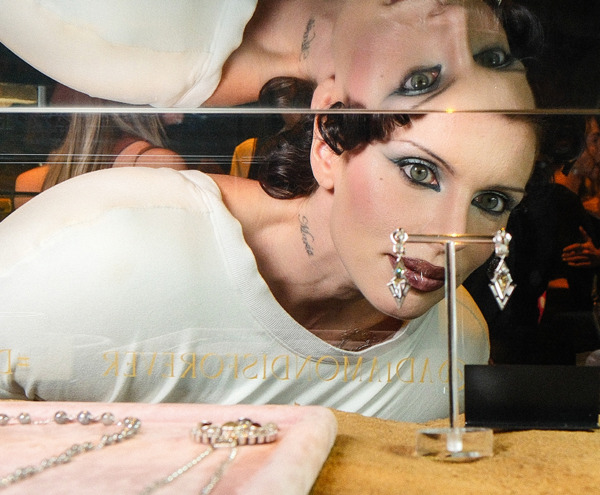
Studs beat hoops for one simple reason: less surface area to catch on anything.
- Choose a screw back or threaded post over a simple push pin, especially for the gym, the pool, or travel.
- Save large hoops for lower impact days. The bigger the hoop, the more likely it snags on a towel, a strap, or hair pulled back for a workout.
- A small huggie hoop is the safer middle ground, secure enough for daily wear, and low profile enough to avoid snags on clothing and equipment.

Which ring settings survive sports and exercise?
Your natural diamond’s got you covered, whether you’re into running or reformer pilates. But the setting? That’s a whole different story.
- A bezel or flush setting offers the most protection. The diamond sits low and enclosed rather than raised above the band.
- A four-prong setting is the safer middle ground if more of the diamond needs to stay visible. Six prongs offer gem security but tend to trap grime and catch on more surfaces.
- Platinum holds a diamond more securely over time than gold, since it’s denser and resists the kind of metal fatigue that thins prongs out and causes settings to loosen over time.
- Cut, one of the 4Cs of diamonds (opens in a new window), has more to do with proportion and polish than most people assume. A well-cut diamond distributes the stress of an everyday knock evenly across its facets, while a poorly cut gem is more likely to have a weak point that chips under the same impact.

ADIF tip: Skip the ring for weightlifting, rock climbing, or anything that puts a direct grip on the hand. Even the most protective setting cannot fully absorb that kind of repeated, concentrated pressure.
Which necklaces and bracelets hold up to daily wear?
Whatever holds a piece closed determines whether it survives daily wear.
- A lobster clasp or a box clasp with a safety latch closes more securely than a basic spring ring, which can be pried open by snagging fabric or skin without anyone noticing.
- Gold and platinum resist tarnish far better than silver, which matters for anything that spends regular time against sweat, chlorine, or salt water.
- Bracelets should sit snug. Too loose and they swing into machines, doorframes, and other people’s faces.
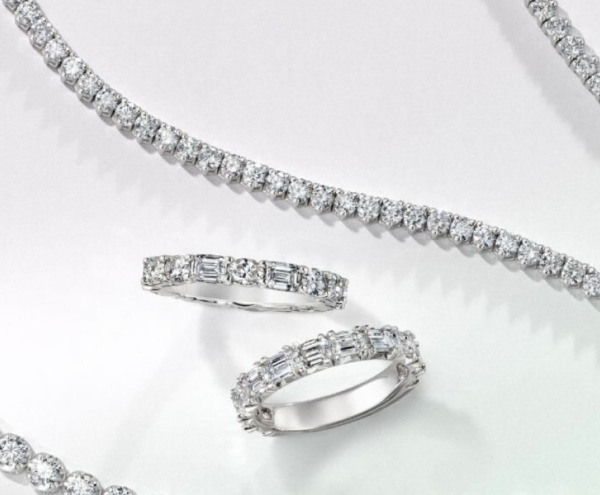
- Tennis bracelets need the closest fit of all, since the piece’s diamond carat (opens in a new window) weight is spread across dozens of small stones with very little metal protecting each one. Have the prongs checked once a year, since one loose gem on a continuous line tends to take its neighbors with it.

The best jewelry to wear for your favorite sports and activities
A secure clasp and a low setting solve most problems, but not every sport asks the same thing of a piece. Here’s a quick guide to what works, and what to watch for, across some of the most common ways to keep active:
- Swimming: chlorine and salt water dull metal over time, though solid gold and platinum hold up well. Rinse and dry pieces after each swim.
- Running and endurance sports: opt for lightweight studs and a single pendant on a durable chain that moves with you without adding noticeable weight or bounce.
- CrossFit and strength training: remove rings and bracelets before lifting. Grip work and barbells are the fastest way to damage a setting. Rather go for a necklace option.
- Tennis and padel: studs and a secure bracelet are the most common choices among players, since both stay close to the body during fast lateral movement.
- Golf: one of the most jewelry friendly sports. Minimal contact and long stretches of standing make it an easy place to wear a full look, rings included.
- Yoga and low impact training: almost anything goes, though layered necklaces are worth removing before an inversion.
Building a jewelry collection that works as hard as you do
The most versatile diamond wardrobe is a small one, built around pieces that move easily from a workout to dinner without needing to change. Diamond studs, a low set band, a tennis bracelet, and one necklace that works alone or layered cover most of what a week requires.
None of it needs to be reserved for an occasion to justify the investment. The whole idea behind building a diamond jewelry collection this way is that the most valuable piece in it is the one that actually gets worn, not the one waiting in a box for a moment that may or may not come.

FAQs
What diamond shapes work best for active lifestyles?
Rounder, lower profile shapes hold up best. Round, oval, and cushion diamonds spread pressure evenly across the surface, while pointed corners on shapes like the marquise or pear are usually the first to chip on impact. Diamond shapes (opens in a new window) vary more than most buyers expect in how they wear day to day, and the safest bet for active life is usually the one with the fewest sharp edges to protect.
Can colored diamonds work as everyday jewelry?
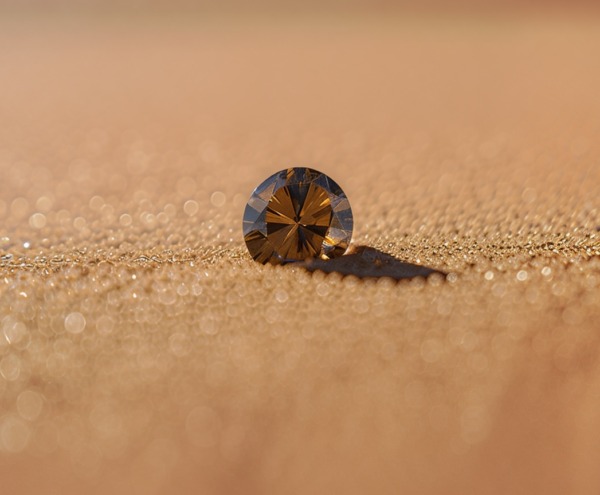
Yes. Color has no bearing on durability. A brown, yellow, or pink diamond wears exactly as well as a white one of the same cut and setting. What changes is the look? Colored diamonds (opens in a new window) bring a level of individuality to an everyday collection without giving up any of the resilience that makes natural diamonds suited to daily wear in the first place.
Does the quality of a diamond’s cut affect how well it holds up to daily wear?
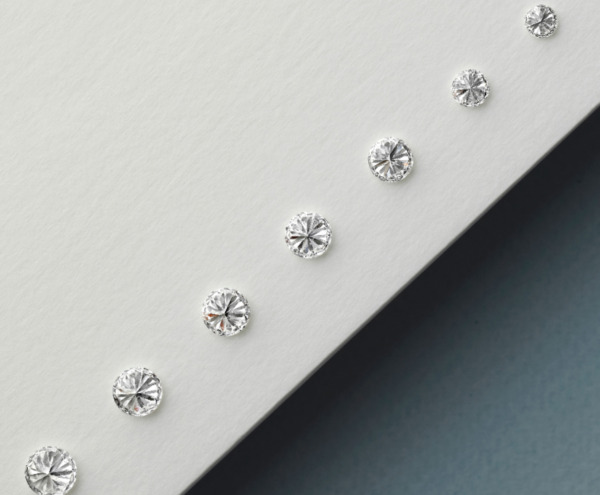
Yes, more than most people expect. A diamond’s cut (which is distinct from its shape) refers to how precisely its facets and girdle are finished, not the outline of the stone itself. A poorly finished girdle is more prone to chipping under daily knocks than one cut and polished with precision.
That precision is the result of diamond crafting (opens in a new window), work that depends on a cutter’s judgment as much as their tools. A diamond shaped and polished with care holds its edges, and its brilliance, for decades of regular wear.


