
There’s a moment, usually somewhere between the proposal and the planning chaos, when the wedding ring starts to feel very real. Not just a detail but the detail. A small, circular piece of jewelry that quietly carries a lifetime of meaning.
Wedding bands have always been more than decoration. That unbroken circle has long symbolized continuity and commitment, a visual shorthand for “forever” that feels just as relevant now as it did centuries ago. Today, though, the options go far beyond a simple gold band. From pared-back silhouettes to diamond-set designs that catch the light with every movement, the types of wedding rings available reflect how personal modern love stories have become.
This guide is designed to make sense of it all. We’ll break down the differences between engagement rings and wedding bands, explore evolving wedding band styles, and look at how materials, craftsmanship and design details shape everything from price to wearability.
Whether you’re drawn to a classic wedding band, a pavé diamond finish or something more contemporary, consider this your starting point for finding a ring that feels entirely your own.
What is a wedding ring?
A wedding ring is the piece you never take off. Exchanged during the ceremony, it’s designed for everyday wear, sitting alongside or in place of an engagement ring as a constant marker of commitment.
The format is simple for a reason. That continuous circle traces back to ancient Egypt, where braided rings symbolized eternity. The Romans followed with iron and gold bands, which were often engraved, while the Middle Ages leaned into more decorative styles, featuring gemstones, intricate detailing and religious motifs. By the time the Renaissance arrived, posy rings engraved with short, private messages turned the band into something far more personal.
Design has shifted over time, but the sentiment hasn’t. “There is so much historical context around the ring being a circle with no start and end…” says Brent Stern, president of family-owned jewelers Rogers & Hollands, Ashcroft & Oakiii. “It serves as a reminder of love and commitment for all to see.”

Today, wedding bands feel more considered than ever. Clean gold or platinum styles still anchor tradition, but there’s room for individuality, from subtle engravings to diamond-set finishes. The rules are looser, the meaning still holds.
Different types of wedding rings
If the engagement ring sets the tone, then the wedding band refines it.
Modern wedding band styles now sit within a broader diamond jewelry collection mindset, designed to stack, layer and evolve with your other pieces. Some keep things clean, others lean into diamonds or sculptural finishes but each strikes its own balance between style and wearability.
Eternity bands
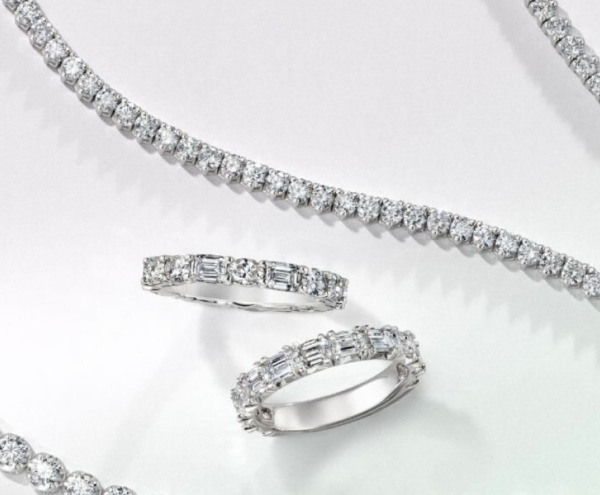
An eternity wedding band features diamonds or gemstones set in a continuous circle, creating all-over brilliance. Full eternity styles wrap gems all the way around, while half eternity bands keep diamonds across the top for easier resizing.
The symbolism is direct. An unbroken loop reflecting lasting commitment. Visually, it’s about light and the level of sparkle all comes down to diamond carat and setting style – whether your preference is something delicate or something with a touch more presence.

The stacking effect
Eternity bands are beautiful when worn alone but they really come into their own when layered.
Hailey Bieber wears hers alongside her engagement ring, often mixing in additional bands. When renewing her wedding vows with Justin Bieber, the couple chose matching “Forever” eternity bands, full diamond circles set in platinum that feel both classic and currentiv.


Meghan Markle takes a more personal approach. Her eternity band, designed by Lorraine Schwartz and gifted by Prince Harry, features hidden birthstones on the insidev.
Over time, different bands can mark different moments. Choosing the right carat, cut and style for different milestones adds another layer of meaning, turning your rings into a reflection of your relationship.
Half-eternity bands
A half-eternity band features diamonds across the top half of the ring, leaving the underside plain. Visually, it still delivers the same line of sparkle from the front, but with a more practical approach to everyday wear.
The smooth underside makes it especially comfortable, particularly for those with more hands-on lifestyles. It’s also easier to resize over time and often comes at a slightly lower price point than a full eternity band, while keeping the same overall look.

ADIF tip: Both full and half-eternity bands have their appeal. Full eternity styles bring uninterrupted sparkle and stronger symbolism, while half-eternity bands offer more comfort and flexibility for everyday wear. It really comes down to how you want the ring to fit into your life.
Contour bands
A contour wedding band is shaped to follow the exact profile of an engagement ring setting. It curves inward, sometimes quite dramatically, to sit neatly around taller designs such as cathedral arches or high-set center gems.
Where a straight band leaves space, a contour band works with the ring’s shape, creating a closer, more integrated fit. The effect is subtle but impactful.


Contour vs shadow bands: what to know
While contour bands curve deeply to follow the exact shape of an engagement ring, shadow bands take a softer approach. They sit just below the center setting, creating space without dramatically changing the band’s silhouette.
The difference matters when you start stacking. Contour bands, with their deeper curve, can shift how additional rings sit, while shadow bands tend to offer a bit more flexibility for layering over time.
ADIF tip: If you’re building a ring stack over time, a shadow band can give you more freedom. Its softer curve lets additional bands sit neatly and consistently, while deeper contour shapes can shift the balance slightly, something you’ll notice more as your stack grows.
Classic bands
A classic wedding band keeps things simple. Usually crafted in gold or platinum, these plain wedding bands are chosen for their durability and ease, something you can wear every day without thinking twice.
Understated and versatile, they sit just as well on their own as they do paired with an engagement ring, which is why they remain one of the most enduring wedding band styles.

The return of engraving
What’s coming back into focus is the art of engraving. A gold band, with its clean, uninterrupted surface, becomes the ideal canvas for something personal: initials, a date or a small motif tucked discreetly on the inside.
It’s a detail that feels intimate rather than purely decorative. The band of Taylor Swift’s engagement ring is said to feature hand-engraved motifs and her initials, a detail that drew widespread attention.
Jewelers are noticing more of this shift towards rings that feel personal, rather than standard.

Pavé bands
A pavé wedding ring is all about surface detail. Small diamonds are set closely together and secured with fine, bead-like prongs that are barely visible, allowing the gems to take the focus. The result is a continuous line of light, refined but with real presence.
It sits naturally alongside an engagement ring. The soft sparkle complements a center diamond without competing with it, which is why pavé bands are often chosen as part of a bridal set. White gold is often used to keep the look seamless, letting the diamonds take focus.

Modern pavé wedding ring styles
For something with more presence, thick pavé bands and diamond-set cigar styles offer a bolder edge and can be worn on their own. “This year, we’re seeing a strong shift toward chunkier silhouettes and substantial gold bands that feel sculptural and statement-making,” says Mallory Shelter, owner of DC-based fine jewelry boutique Shelter. says Mallory Shelter, owner of DC-based fine jewelry boutique Shelter. “It’s a big shift from the dainty designs that have been more prominent the past few years.” Think thicker gold bands with unexpected pavé patterns, polka dot-like settings, or scattered diamonds that offer a more unique finish.
Hidden diamonds
Some wedding bands keep their most meaningful detail hidden. A hidden diamond band features a diamond set discreetly into the inside of the ring, visible only to the person wearing it.
Usually flush set into the metal, these stones are intentionally subtle, often paired with an engraving, initials, or a date tucked into the band. It’s the kind of detail that feels deeply personal rather than decorative; a private reminder built into the piece itself.
The appeal is in the restraint. From the outside, the ring can still look clean and minimal, whether it’s a classic gold band or a slimmer platinum style. Then there’s that small hidden detail underneath; something only you know is there.
Guard Bands
What’s better than one wedding band? Two, of course.
Guard bands, sometimes called enhancer rings, are designed to frame an engagement ring, sitting above and below it to create a look that is more structured and symmetrical. Rather than acting as a single supporting piece, they turn the ring into a complete set.
Traditionally, these bands are slightly angled or tapered, curving away from the engagement ring, so they sit flush without crowding it. The effect is clean but impactful; the center diamond feels more defined, almost spotlighted within the frame.
There’s also a practical advantage. By sitting on either side, guard bands help protect the engagement ring from everyday knocks, adding a layer of durability as well as style.

Statement guard bands
Singer Ciara leans into the statement version of this look. Her engagement ring from Russell Wilson centers on a 16-carat round brilliant diamond, flanked by trapezoid and pear-shaped side gems, and is framed with bold diamond guard bands. The result is high-impact, adding symmetry and even more presence to an already striking piece.
Open bands
An open wedding band features a small gap in the design, creating a space that feels intentional rather than incomplete.
This is where modern wedding rings start to feel more expressive. The break in the band adds lightness, making it a strong choice for those drawn to minimalist design but who still want something with a point of view. It also pairs well with less traditional engagement rings, such as fancy-shaped center gems or east-west settings, where a standard band might feel too rigid.
There’s also a styling advantage. Open bands sit easily within a stack, adding contrast and space between more classic pieces, which helps the overall look feel more balanced rather than crowded.
Popular wedding rings
Much like diamond jewelry, wedding bands evolve with the times. The result is a shift towards more expressive styles, from statement diamonds to mixed metals, all designed to feel distinctly personal.
Statement diamond bands
Statement bands are taking the lead, often worn solo rather than alongside an engagement ring.
Hailee Steinfeld stepped out at Paris Couture Week wearing a bold diamond band set with large oval gems, choosing it over her engagement ring entirely. Brides are leaning into more impactful designs, oval and emerald-cut diamonds, chunky eternity bands, and wider pavé styles that hold their own.
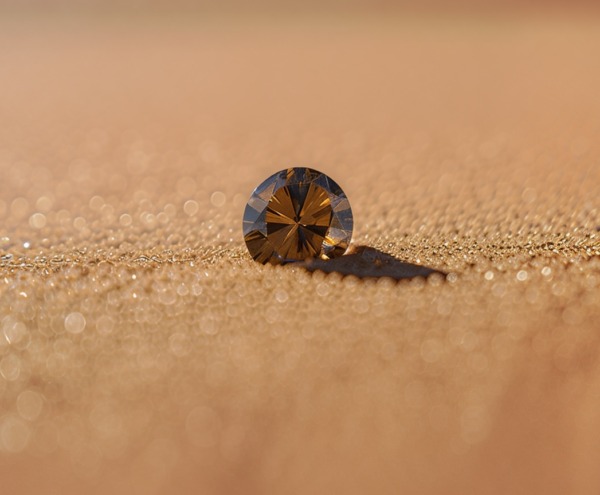
Playing with diamond color is also becoming a popular way to make a statement. From soft-toned Desert diamonds to fancy hues, these subtle shifts in shade add depth and another layer of personality, making the band feel more individual from the start.
Mixed-metal bands
Mixing metals is no longer a rule-breaker. Yellow gold with platinum or rose gold layered with white gold, adds contrast and depth that modern brides are drawn to.
The appeal is in the flexibility. You’re not tied to one tone, which makes stacking and evolving your rings over time feel far more natural.
Vintage-inspired bands
Vintage-inspired bands bring in more detail. With antique aesthetics gaining traction, partly influenced by celebrity proposals like Taylor Swift’s, the shift feels noticeable.
We’re seeing a renewed interest in milgrain edges, engraved patterns and softer, antique-style finishes that carry a more romantic edge.
They pair especially well with heirloom-style engagement rings or for anyone drawn to pieces with a sense of history, without feeling overly ornate.
Wavy and sculptural bands
Wavy silhouettes are gaining momentum. These bands curve and dip rather than sit flat, creating a fluid shape that works particularly well with asymmetrical or vintage engagement rings.
Often accented with delicate diamonds, they add movement and a softer kind of sparkle, subtle but noticeably different from more traditional styles.
Men’s wedding band styles
Men’s wedding bands focus on form, finish and feel.
Width and fit
Most men’s wedding bands fall between 4mm and 6mm. Wider bands feel more substantial, while slimmer styles are lighter on the hand. Comfort-fit designs, rounded on the inside, make every day wear easier.
Finishes
Polished bands offer a high-shine, classic look. Brushed or satin finishes feel softer and more understated, while hammered textures add a more rugged edge. Details like millegrain or hand engraving bring in subtle craftsmanship.
Prince Harry wears a platinum band with a textured finish rather than a traditional polished style, a subtle detail that gives the ring a more understated feel.
Two-tone styles
Two-tone bands mix metals like yellow gold and platinum for contrast. It’s a simple way to add interest without overcomplicating the design.
Subtle diamond accents
For those who want a bit more detail, small diamonds can be set into the band for a low-key finish, more texture than statement.
Brooklyn Beckham, for example, wears a simple gold band set with a single diamond, understated, but with just enough detail to make it feel personal.
Eternity bands
For a more elevated take, eternity-style bands are also making their way into men’s wedding band styles. Char Defrancesco, who married Marc Jacobs, opted for a 17-carat emerald-cut eternity band, a more statement-led approach that still sits within a clean, structured band.
How to choose a wedding band
Choosing a wedding band comes down to how it fits into your life. It’s something you’ll wear every day, so it needs to feel as good as it looks.
Lifestyle and durability
If you’re hands-on day to day, durability matters. Platinum and solid gold hold up well over time, while simpler settings require less upkeep. If you prefer something with diamonds, consider how the setting sits and whether it will suit daily wear.
Metal and width
Yellow gold feels classic and works particularly well with warmer-toned or step-cut diamonds, where the metal’s warmth deepens the effect. Platinum and white gold read as more contemporary and tend to complement brilliant-cut diamonds (round, princess, cushion) where a cooler setting lets the light do the work. Slim bands are subtle, wider styles make more of a statement. Try both to see what suits your hand.
Comfort
You’ll notice the difference straight away. Comfort-fit bands, with a slightly rounded interior, tend to sit better on the finger, especially if you’re not used to wearing rings. Band weight is also worth considering. Wider, heavier bands can rotate on the finger over time, but the more common culprit is uneven weight distribution which leads to what is often called ring spinning. If a band carries diamonds or detailing across the top only, that heavier section will naturally drift to the side. A more evenly weighted band, or one where the setting wraps the full circumference, will sit more consistently throughout the day. If you’re drawn to a top-heavy style or solitaire style, sizing down slightly can help keep it in place. Some jewelers also offer small sizing beads (tiny metal dots fitted to the inside of the band) which hold the ring in position on the finger without altering the fit permanently.
Pairing with your engagement ring
Your band should sit well alongside your engagement ring, whether flush or curved. The goal is balance, letting the center diamond stand out without competing for attention. Try on both rings together before committing. Two rings worn on the same finger can feel noticeably tighter than either does alone. Fingers also swell slightly throughout the day and in warmer weather which can compound the effect. As a general guide, you should be able to slide both rings on and off with light resistance, but without force. If the fit feels borderline with one ring, it will feel restrictive with two. Some couples size up by a quarter or half size on the wedding band specifically to account for this, particularly if the engagement ring already sits snugly.
Budget
There’s a wide range when it comes to price, depending on metal, craftsmanship, and whether diamonds or gemstones are involved. It’s worth deciding early what matters most to you, whether that’s material, design, or detail, and working from there.
ADIF tip: When exploring different types of wedding rings, always try your band on with your engagement ring, how they sit together makes all the difference.
Popular diamond shapes and cuts for wedding rings
Cut is what brings a diamond to life. It determines how light moves through the gem, how it reflects, and ultimately how much it sparkles. It’s also where style comes in, shaping how each band looks and feels.

Round brilliant
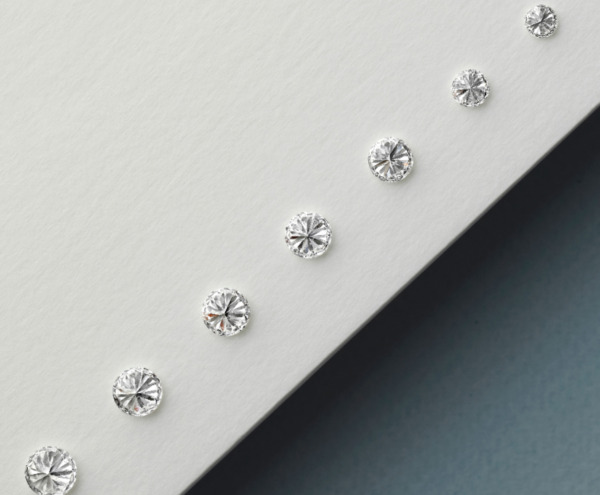
The round brilliant remains the most popular for a reason. Engineered through precise diamond cutting to maximize light return, it delivers both brilliance and fire. In eternity bands, round cuts create a consistent, high-impact sparkle across the entire ring.
Princess cut
Princess-cut diamonds bring a sharper, more contemporary edge. Their square shape allows them to be set closely together, forming a near-seamless line of brilliance. The result feels clean, modern, and still timeless.
Cushion cut
Cushion cuts sit between square and round, with softer edges that give them a more relaxed feel. There’s a subtle vintage influence, balanced with enough brilliance to keep them lively and light-catching.
Emerald
Emerald cuts take a more understated approach. Their elongated, step-cut facets create a hall-of-mirrors effect, where light reflects in flashes rather than sparkles.
Asscher
The Asscher is one of the more distinctive diamond shapes. Square with cropped corners and step-cut facets, it has a structured, almost architectural feel. Less about sparkle, more about clarity and precision.
Baguette
Baguette diamonds offer a softer, more subtle finish. With elongated, step-cut facets, they reflect light in gentle flashes. Often used alongside round or princess cuts, they add texture and a slightly vintage note to eternity bands.
ADIF tip: Across different types of wedding rings, the setting often guides the cut. Claw-set bands work best with round brilliant diamonds for maximum light and sparkle, while channel settings suit cleaner shapes like princess and baguette cuts for a more structured finish. Pavé tends to favor round diamonds for that continuous shimmer, though oval or emerald cuts can offer a slightly different edge.
Choosing between diamonds and gemstones
When it comes to natural diamonds and how they compare to gemstones, it’s a question of light versus color. Natural diamonds are known for their brilliance, catching and reflecting light with intensity, while gemstones lean into richer, more saturated tones.
That said, diamonds aren’t limited to white. Fancy colored diamonds and warmer, desert-toned hues offer a way to bring color into the mix while keeping that signature sparkle.
There’s also the practical side. Diamonds are the hardest natural material, making them an easy choice for everyday wear.
Choosing the right wedding ring
A wedding ring is something you wear every day. It should feel right, not just look right.
For some, that’s a classic wedding band in gold or platinum. For others, it’s a diamond wedding ring or an eternity wedding band for added sparkle, or one of the more modern wedding rings that feels more sculptural and distinct.
No matter the look, the best wedding band styles come down to balance, durability, comfort, and a design that fits your lifestyle. Whether you prefer plain wedding bands, pavé wedding rings, or stackable wedding bands, it’s about choosing what works for you long term.
Choose something that works as well in your day-to-day as it does on the day itself, and it will never feel out of place.
FAQs
How are natural diamonds formed?
Natural diamond formation takes place deep within the Earth, where extreme heat and pressure transform carbon over millions to billions of years. These gems are then brought closer to the surface through volcanic activity, making each one both rare and entirely unique.
That origin adds weight to their meaning. A diamond that has formed over millennia becomes more than decorative; it carries a sense of permanence that aligns naturally with the idea of commitment.
Should I choose a handcrafted or machine-cut diamond for my ring?
So, what is diamond cutting and how it differs between hand and machine techniques? It really comes down to precision versus process.
Machine-cut diamonds are engineered for accuracy, delivering consistent brilliance. Handcrafted diamonds, while less uniform, carry a more artisanal feel, shaped by the expertise of the cutter. Both have their place; one leans towards precision, the other towards individuality.
Why are flawless diamonds considered special for wedding rings?
A flawless diamond has no visible inclusions, making it extremely rare and highly prized.
That said, perfection isn’t always necessary. Slight inclusions are often invisible to the eye and can offer better value without compromising how the diamond looks in everyday wear.
What makes natural diamonds ideal heirlooms?
Choosing a diamond today can mean creating something that lasts beyond you. Heirloom diamonds are valued not just for their durability, but for what they carry over time. Natural diamonds hold their structure and significance, making them ideal to pass down through generations.
In a wedding ring, that continuity matters. It’s not just about the present moment, but how the piece becomes part of a longer story.
How does carat affect the price and appeal of a diamond wedding ring?
It’s important to understand that carat measures weight, not size. Two diamonds can have the same carat weight but look completely different depending on their cut, color and clarity.
Diamond size and value are closely linked, with larger gems being rarer and typically more expensive. But bigger isn’t always better. A well-cut, smaller diamond can appear more brilliant than a larger one with less precision.
The key is balance. The value and beauty of a diamond come from all four Cs working together, not just carat.
Sources
- www.pisa1940.com/en/blogs/blog/the-wedding-ring-the-story-of-a-timeless-symbol/ ↩︎
- www.naturaldiamonds.com/engagement-rings/wedding-band-trends-2025/ ↩︎
- www.thediamondstore.co.uk/blogs/magazine/half-eternity-vs-full-eternity-rings-which-ones-right-for-you/ ↩︎
- www.ourosjewels.com/blogs/education/shadow-band-vs-contour-band/ ↩︎
- www.ourosjewels.com/blogs/education/shadow-band-vs-contour-band/ ↩︎
- www.ourosjewels.com/blogs/education/shadow-band-vs-contour-band/ ↩︎
- www.baunat.com/en/pave-setting/ ↩︎
- www.naturaldiamonds.com/engagement-rings/wedding-band-trends-2025/ ↩︎
- www.naturaldiamonds.com/engagement-rings/wedding-band-trends-2025/ ↩︎
- www.serendipitydiamonds.com/blog/secret-diamond-rings-hidden-diamond-engagement-rings/ ↩︎
- www.bellasfinejewelers.com/blogs/bella-s-blog/whats-the-difference-between-a-ring-guards-and-stackable-wedding-bands/ ↩︎
- www.girlfriend.com.au/shopping/fashion/most-expensive-celebrity-engagement-rings-of-all-time/ ↩︎
- www.naturaldiamonds.com/engagement-rings/wedding-band-trends-2025/ ↩︎
- www.naturaldiamonds.com/engagement-rings/wedding-band-trends-2025/ ↩︎
- www.naturaldiamonds.com/engagement-rings/wedding-band-trends-2025/ ↩︎
- www.naturaldiamonds.com/engagement-rings/wedding-band-trends-2025/ ↩︎
- www.london-victorian-ring.com/blogs/journal/ultimate-guide-to-men-s-wedding-rings ↩︎
- www.london-victorian-ring.com/blogs/journal/ultimate-guide-to-men-s-wedding-rings/ ↩︎
- www.brides.com/male-celebrity-wedding-rings-5074747/ ↩︎
- www.london-victorian-ring.com/blogs/journal/ultimate-guide-to-men-s-wedding-rings/ ↩︎
- www.brides.com/male-celebrity-wedding-rings-5074747/ ↩︎
- www.brides.com/male-celebrity-wedding-rings-5074747/ ↩︎
- www.fraserhart.co.uk/buyers-guide/eternity-rings-guide.html/ ↩︎
- www.fraserhart.co.uk/buyers-guide/eternity-rings-guide.html/ ↩︎
- www.https://adiamondisforever.com/about-diamonds/natural-diamonds-vs-other-precious-stones/ ↩︎
- www.capetowndiamondmuseum.org/about-diamonds/formation-of-diamonds/ ↩︎
- www.4cs.gia.edu/en-us/diamond-carat-weight/ ↩︎


