
There’s something about an oval diamond that feels endlessly wearable. The elongated silhouette has a softness that feels romantic and modern all at once, while its brilliance catches light with an effortless glamor. Ovals are often mistakenly referred to as an oval “cut” diamond, a common misnomer. Cut actually refers to a diamond’s facet arrangement, while shape refers to its outline. The oval is a shape, and the cut applied to it is an elongated brilliant, which is why it delivers the same sparkle as a round brilliant, just stretched into that signature silhouette.
Of course, a beautiful oval diamond is never just about appearance alone. The balance of proportions, faceting and setting design all shape how the gem performs once worn.
Still, buying an oval diamond takes more than falling for the sparkle. From understanding the bow-tie effect to finding the right oval diamond length-to-width ratio, the details matter.
Here is everything you need to know about the history, anatomy, and styling potential of one of the most elegant diamond shapes around.
History of the oval-shaped diamond
Before the oval diamond became a modern engagement ring favorite, it already had centuries of history behind it. From natural diamonds owned by royalty to the precision-cut designs seen in today’s fine jewelry, the oval shape has evolved alongside advances in craftsmanship, diamond cutting (opens in a new window) and changing ideas of luxury.

Origin of the oval diamond
The oval diamond’s royal connection dates back centuries. One of the most famous examples in diamond history (opens in a new window) is the legendary Koh-i-Noor diamond, first documented in 1304. Originally cut in the traditional Mughal style, the natural diamond (opens in a new window) was later recut into an elongated oval shape in 1852 under the supervision of Prince Albert. The redesign enhanced its brilliance and helped establish the oval silhouette as a symbol of elegance and fine craftsmanship.
The modern oval-shaped diamond as we know it today was perfected in 1957 by Russian-born diamond cutter Lazare Kaplan in New York City. Kaplan developed an elongated version of the round brilliant cut designed to maximize both brilliance and visual size. The result felt fresh, elegant, and slightly less traditional than other classic diamond shapes (opens in a new window).
By the 1960s, oval diamonds had become a favorite among New York’s luxury jewelry houses and social elite.


Popularity over time
The oval diamond has drifted in and out of fashion for centuries, but its modern comeback feels bigger than ever.
GIA-graduated gemologist Olivia Landau describes the oval as perfect for buyers who want something classic but still fashion-forward: “This is great for those who love to stay ahead of the trends, but also love a classic, elegant aesthetic,” she says. Jewelry designer Brent Neale has also noted a rise in requests for oval diamonds, particularly among clients drawn to statement solitaires and modern settings, saying, “Ovals and rounds generally look the largest.” Their elongated shape and larger visual spread only adds to the appeal, especially for buyers looking for maximum impact with refined sparkle.
The cool-girl engagement ring
More recently, celebrity proposals (opens in a new window) have pushed the oval-shaped diamond back into the spotlight. When Hailey Bieber debuted her oval solitaire engagement ring from Justin Bieber in 2018, the shape quickly became the engagement ring of the fashion pack. While stars had already embraced oval diamonds, Hailey’s sleek minimalist solitaire cemented the shape as an unmissable trend, inspiring a wave of brides-to-be to follow suit.
The shape’s influence has since spread beyond engagement rings, showing up across modern diamond jewelry collections (opens in a new window), in everything from delicate tennis necklaces to statement cocktail rings.


Anatomy of an oval-shaped diamond
Every detail, from diamond crafting (opens in a new window) techniques to proportions and facet placement, shapes how this gem performs.

Key parts of an oval-shaped diamond
An oval-shaped diamond is an elongated brilliant cut, typically with 57 or 58 facets. Facets are the flat, polished surfaces cut into a diamond that determine how light enters, bounces through and exits the gem (they’re what creates the sparkle). In an oval-shaped diamond, those facets are distributed across several distinct parts of the gem: the crown and table on top, the girdle around the middle and the pavilion underneath. Each plays a specific role in how the diamond looks and performs.
- Crown and table: A well-balanced table, typically between 53-63%, helps create even sparkle, while the crown enhances the oval’s soft brilliance and fire.
- Depth: Depth is especially important in oval-shaped diamonds because it affects both sparkle and visual size. Most well-cut oval-shaped diamonds fall within a depth range of 58-62%, creating a balance between brilliance and finger coverage.
- Girdle: The girdle, which forms the outer edge of the diamond, is ideally medium in thickness to protect the shape without adding unnecessary weight.
- Heads, shoulders and belly: Oval diamonds have unique shape terminology. The “heads” are the rounded ends, the “shoulders” are the curved sides and the “belly” is the widest part through the center. A beautiful oval should look evenly balanced from every angle.
The bow-tie effect
Most oval-shaped diamonds display some degree of bow-tie effect, a shadow across the center caused by light reflection. In a well-cut oval-shaped diamond, the effect should appear soft and subtle rather than dark or distracting. Look for oval diamonds with balanced proportions, especially length-to-width ratios around 1.30-1.40.

How anatomy affects sparkle
Well-cut oval-shaped diamonds showcase a light that moves evenly across the diamond without dark patches or uneven curves. Strong symmetry helps the diamond appear smooth and balanced, while thoughtful proportions keep the shape elegant rather than overly narrow or stretched. When all these elements work together, the result is the bright, elongated sparkle that makes oval diamonds so distinctive.
How to choose the best oval-shaped diamond
Like all diamonds, ovals should be assessed through the lens of the 4Cs of diamonds (opens in a new window): cut, clarity, color and carat. But as oval diamonds do not receive an official GIA cut grade (these are exclusive to round brilliant cuts), buyers need to pay closer attention to craftsmanship and overall balance.
Ideal length-to-width ratio
The oval diamond length-to-width ratio determines whether the gem appears softly rounded or long and elongated. Most oval diamonds fall between 1.30 and 1.40, which is considered the most balanced and flattering range for engagement rings.
- 1.30-1.40: Softer, more rounded oval shape.
- 1.41-1.50: More elongated silhouette with a finger-lengthening effect.
- Above 1.50: Narrower shape that may show a stronger bow-tie effect.
Choosing the right ratio comes down to personal style. Some prefer a softer, rounded outline, while others love the elegance of a longer oval. The ratio also affects how large the diamond appears face-up, which is why proportions can matter more than diamond carat (opens in a new window) alone.

Choosing the right clarity
Understanding diamond clarity is an important part of choosing a beautiful oval diamond. In any diamond clarity guide (opens in a new window), grades range from the highest clarity, Flawless (FL), to the lowest, Included (I3), with categories like Very Very Slightly Included (VVS), Very Slightly Included (VS) and Slightly Included (SI) sitting in between.
As oval diamonds use brilliant-style faceting, they tend to hide small inclusions better than step-cut shapes. However, the elongated center can still make noticeable marks easier to spot if they sit directly in the middle of the gem.
For most engagement rings, we recommend choosing an eye-clean diamond clarity (opens in a new window) grade, usually VS2 to SI1, depending on the individual diamond. This offers a strong balance between beauty and value without paying a premium for inclusions invisible to the naked eye.
Selecting the best color grade
Diamond color (opens in a new window) is graded from D to Z, with D representing colorless diamonds. Because oval diamonds have an elongated shape, warmth can appear more visible at the tips of the gem.
For most engagement rings, G-H color diamonds offer the best balance between brightness and value, appearing near colorless to the eye. For the iciest look possible, D-F diamonds paired with platinum or white gold create a crisp, bright finish.
Cut quality and sparkle
Cut is the most important factor in an oval diamond’s sparkle. Look for strong symmetry, even brightness and minimal bow-tie effect. A well-cut oval should reflect light evenly across the surface without dark patches through the center.
For the most balanced shape and sparkle, aim for a table percentage between 53-63%, depth between 58-62% and a length-to-width ratio around 1.30-1.40.
Oval diamond settings and engagement ring designs
Part of the oval diamond’s appeal is both its symbolism and versatility. The elongated shape is often associated with eternity, as its continuous outline has no obvious beginning or end, making it a meaningful representation of lifelong love and devotion.
It’s one reason these diamonds are used for engagement rings (opens in a new window) so often. Beyond the symbolism, the shape works beautifully across both traditional and contemporary ring settings, from classic solitaires to more fashion-forward designs.
Popular engagement ring setting styles
Solitaire settings
A solitaire setting keeps the focus entirely on the oval diamond, enhancing its elongated silhouette and making the gem appear even larger. Kourtney Kardashian’s engagement ring from Travis Barker is one of the most talked-about recent examples: a striking oval diamond estimated at around 12 carats, set on a delicate pavé band.

Hidden halo
Hidden halo settings feature a circle of smaller diamonds tucked beneath the center gem, adding sparkle from side angles while keeping the oval shape clean and modern from above. Jasmine Tookes’s engagement ring from Juan David Borrero helped popularize the look, pairing a 7-carat oval diamond with 18-karat yellow gold, diamond prongs and a subtle hidden halo for extra brilliance.

Three-stone settings
Three-stone rings frame the oval center gem with complementary side diamonds, adding both symbolism and extra sparkle. Cristiano Ronaldo’s proposal to Georgina Rodríguez featured an extravagant oval diamond flanked by two oval side gems, creating a bold, high impact look that amplified the center diamond’s brilliance.

East-west settings
In an east-west setting, the oval diamond is placed horizontally rather than vertically, creating a more fashion-forward feel. Joey King’s engagement ring is a standout example, featuring a super elongated oval diamond estimated at around three carats, set horizontally in a split-shank design. The ring also incorporates epaulette and baguette-cut side diamonds, giving the modern setting a slightly Art Deco-inspired edge.

How settings enhance the oval shape
The right setting can make an oval diamond appear larger, brighter and more elongated. Solitaire settings maximize the size and shape of the center gem, while hidden halos add extra sparkle without overwhelming the oval silhouette.
Three-stone settings enhance brilliance with complementary side diamonds, while east-west settings create a more contemporary feel. Even delicate prong placement can make the oval appear softer and more refined overall.

Metal choices
The metal you choose can completely change the feel of an oval diamond ring. White gold and platinum create a crisp, bright finish, making G-H color diamonds appear especially icy. Yellow and rose gold, meanwhile, complement warmer Desert diamonds beautifully.
Platinum feels classic and polished, while yellow and rose gold bring a softer, more romantic edge to diamond jewelry (opens in a new window). The best choice ultimately comes down to personal style and the overall look you want the ring to have.


The oval effect
Oval-shaped diamonds bring together everything people want from modern fine jewelry. The elongated silhouette feels elegant without being overly traditional, while the soft brilliance gives the shape a kind of effortless glamour that always catches the light beautifully. It’s refined, flattering and just distinctive enough to stand apart from more classic shapes.
That balance of romance, individuality, and quiet luxury is exactly why the oval cut continues to resonate with modern buyers. It never feels try-hard, yet it always makes an impression.
FAQs
Why is a natural diamond considered the most meaningful gift?
Natural diamonds have long symbolized love, commitment and major milestones, which is why they remain one of the most enduring diamond gift ideas (opens in a new window). Their rarity and permanence give them emotional significance, especially in engagement rings. Oval diamonds feel particularly romantic thanks to their elongated silhouette and classic elegance.
How does color stability differ between lab-grown and natural diamonds?
Many people ask, “do diamonds change color over time (opens in a new window)?” Natural diamonds are prized for their long-term color stability, maintaining their appearance for generations with proper care. In oval diamonds, color can appear more visible at the tips, which is why white metals enhance cooler tones while yellow and rose gold complement warmer diamonds beautifully.
What is the significance of Desert diamonds in jewelry?
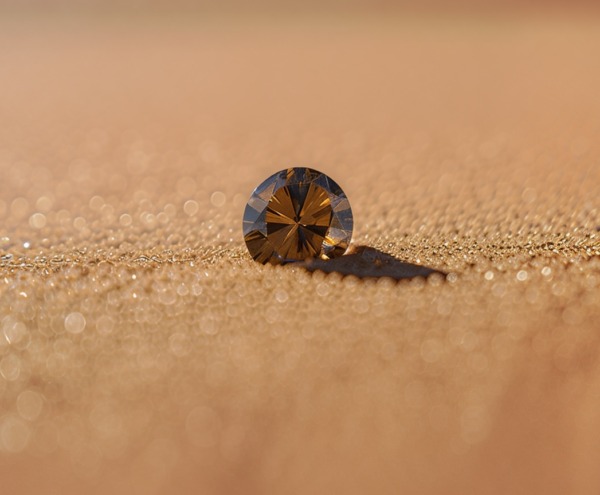
Desert diamonds (opens in a new window) are valued for their beautiful warm tones. Their unique character gives them a collectible appeal among buyers looking for something less traditional than classic white diamonds. Also, where Fancy color diamonds are especially rare and sought-after, Desert diamonds provide a more accessible alternative with subtle yellows, whiskey browns and blush shades all found within the beautiful spectrum of colors.
Why is it important to understand lab-grown versus natural diamonds?
Many buyers asking what a lab-grown diamond is (opens in a new window) are surprised to learn that while lab-grown and natural diamonds share the same chemical composition, they have very different origins and, as a result, very different levels of meaning and value. Understanding those differences helps buyers make more informed decisions around rarity, authenticity and long-term value.
For many people, natural diamonds will always feel more meaningful for engagement rings and future heirloom pieces because of their rarity, history, emotional significance, and long-term value.
Sources
- www.naturaldiamonds.com/historic-diamonds/koh-i-noor-diamond/ ↩︎
- www.jewelryartisans.com/tips/history-of-oval-cut-rings/ ↩︎
- www.vogue.com/article/engagement-ring-diamond-cut-style-meaning/ ↩︎
- www.brides.com/hailey-bieber-engagement-ring-get-the-look-/ ↩︎
- www.4cs.gia.edu/en-us/blog/oval-cut-diamond-guide/ ↩︎
- www.taylorandhart.com/diamond-guidance/diamond-shapes/oval/ ↩︎
- www.taylorandhart.com/diamond-guidance/diamond-shapes/oval/ ↩︎
- www.4cs.gia.edu/en-us/blog/oval-cut-diamond-guide/ ↩︎
- www.4cs.gia.edu/en-us/blog/oval-cut-diamond-guide/ ↩︎
- www.4cs.gia.edu/en-us/blog/oval-cut-diamond-guide/ ↩︎
- www.caratdiamonds.com/blogs/education/oval-cut-diamond-guide/ ↩︎
- www.4cs.gia.edu/en-us/blog/oval-cut-diamond-guide/ ↩︎
- www.4cs.gia.edu/en-us/blog/oval-cut-diamond-guide/ ↩︎
- www.caratdiamonds.com/blogs/education/oval-cut-diamond-guide/ ↩︎
- www.4cs.gia.edu/en-us/blog/oval-cut-diamond-guide/ ↩︎
- www.4cs.gia.edu/en-us/blog/oval-cut-diamond-guide/ ↩︎
- www.taylorandhart.com/diamond-guidance/diamond-shapes/oval/ ↩︎
- www.nektanewyork.com/blogs/news/the-meaning-of-oval-engagement-rings/ ↩︎
- www.elle.com.au/fashion/wedding/celebrity-oval-cut-engagement-rings-/ ↩︎
- www.elle.com.au/fashion/wedding/celebrity-oval-cut-engagement-rings-/ ↩︎
- www.elle.com/culture/celebrities/georgina-rodriguez-cristiano-ronaldo-oval-diamond-engagement-ring-explained/ ↩︎
- www.nektanewyork.com/blogs/news/the-meaning-of-oval-engagement-rings/ ↩︎


