
Few purchases feel as exciting or as intimidating as an engagement ring. It’s not just about finding something beautiful. It’s about choosing a piece that marks a major moment and feels right for the person who’ll wear it every day.
Whether you’re planning a complete surprise, dropping subtle questions, or shopping together, there’s a lot to consider. From diamond shape and settings to metals, budgets and the 4Cs of diamonds, the options can stack up quickly.
This engagement ring buying guide breaks it all down simply. Consider it your starting point for buying smart, choosing well and finding a ring that feels like forever.
Before getting started
Before you get into diamonds and settings, start with the person wearing it. An engagement ring is personal, and the best choices usually have less to do with trends and more to do with taste.
Talk to your partner
If you can, bring your partner into the conversation, even subtly. Look at what they already wear: yellow gold, white gold or rose gold? Minimal and understated, or something with more presence? Trends can offer direction, but as jewelry designer Mia Moross puts it, the best engagement rings feel like “an extension of the person wearing them.”
Then there’s the diamond itself. Some will want the classic pull of a natural diamond. Others may be weighing up what a lab-grown diamond is (opens in a new window), and whether it makes sense for them. The distinction is simple: one is created in a lab, the other formed beneath the earth over millions, even billions, of years. And for many, that’s the point. In jewelry designer Page Neal’s experience, people want to know where their jewelry comes from. With natural diamonds, rarity and origin are part of the appeal.

Set a budget
First, forget the old “three months’ salary” rule. It’s one of jewelry’s longest-running myths, and not a particularly useful one. Your engagement ring budget (opens in a new window) should reflect your life, not a formula.
It’s easy to move the goalpost when emotions are involved. But the smartest budget is the one you can stand by. Know what matters to you and spend accordingly.
Consider your timeline
An engagement ring is not the kind of thing you leave until the last minute. Whether you’re buying ready-made or going custom, time changes everything.
A bespoke ring can take anywhere from four to eight weeks. And if you’re shopping around the holidays or during peak proposal season, expect delays.
The earlier you start, the better it tends to go: more choice, more time to refine and far less chance of making a rushed decision you’ll regret.
The setting
If the diamond is the focal point, the setting is what shapes it, visually and structurally. It secures the center gem, but it also defines how the ring looks, wears and lasts.

Choose your setting type
As bridal stylist Cynthia Smith puts it, “You can be bold and do something different and unique, but it is important that the ring reflect the style of the person who will be wearing it.”
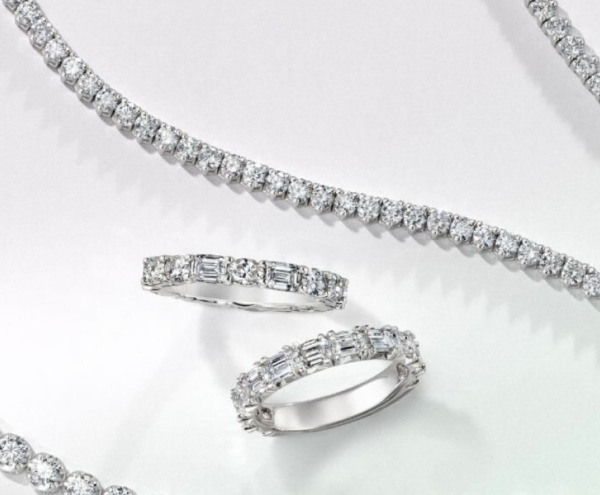
A solitaire is classic and minimal. A halo adds extra sparkle and can make the center gem look larger. Pavé brings shimmer across the band, while three-stone rings add both scale and symbolism.
For something more practical, bezel settings offer security and a cleaner profile. Vintage-inspired settings lean decorative, with details like milgrain and filigree.
Each comes with trade-offs. More sparkle can mean more maintenance. More security can mean less light. It all depends on what matters most.

Customize the band
The band is where the ring gets personal. Thickness, shape and finish all change the feel.
New York designer Anna Pierce says many clients want a ring that feels “like it exists for them alone.” Engraving, hidden gems or a subtle detail can do exactly that.
And think ahead: how it sits next to a wedding band matters more than you think.

Determine the ring size
A proposal loses some of its shine if the ring doesn’t fit. If you’re wondering how to figure out your partner’s ring size without asking, you’re not alone. The easiest move? Borrow a ring they already wear and use it as a guide.
Just keep in mind: finger sizes vary. A ring worn on the middle finger will usually be a couple of sizes bigger than the ring finger.
ADIF tip: Some bands, especially pavé or engraved styles, are harder to resize later, so getting it right the first time matters.
Popular engagement ring styles
For years, engagement rings followed a familiar script: a diamond, a classic setting, very little deviation. These days, the script feels looser.
What’s popular now is less about convention and more about character. Solitaires, hidden halos, oval diamonds, vintage-inspired settings and chunky gold bands are leading the way, alongside colored center gems for those drawn to something less obvious.
Celebrity proposals help set the mood. Think Zendaya’s east-west cushion cut or Miley Cyrus’ sculptural gold setting. But the bigger shift is personal. As Laura Kay of Tomfoolery London puts it, “The idea of a ‘traditional’ diamond engagement ring is being steadily replaced with customers seeking unique designs that reflect their personality.”
And still, the history of diamond engagement rings (opens in a new window) holds. If you’ve ever wondered why diamonds are used for engagement rings (opens in a new window), it comes down to what they represent: permanence, rarity and a kind of beauty that outlasts trends. Natural diamonds have always understood that.

Pick a metal type
Before the diamond, there’s the metal. Yellow gold feels classic, white gold is polished, rose gold is softer, while platinum is heavier, harder-wearing and usually more expensive.
Think about skin tone, existing jewelry and how much upkeep feels realistic. The right metal should feel like something they’d already wear.
Select a center gem
The center gem sets the tone and often takes the largest share of the budget, but it isn’t always essential. While a single center gem remains the classic choice, minimalist bands, eternity rings and cluster styles offer something different. Start by thinking about the look you want, because that will usually tell you whether a center gem belongs there at all.

Diamonds vs. gemstones
A diamond remains the benchmark for durability. When it comes to natural diamonds and how they compare (opens in a new window), they’re the hardest-wearing option for daily life.
Gemstones like sapphire and emerald bring color and symbolism, though the trade-off is often durability, rarity or the level of care they require.
The 4Cs of diamonds
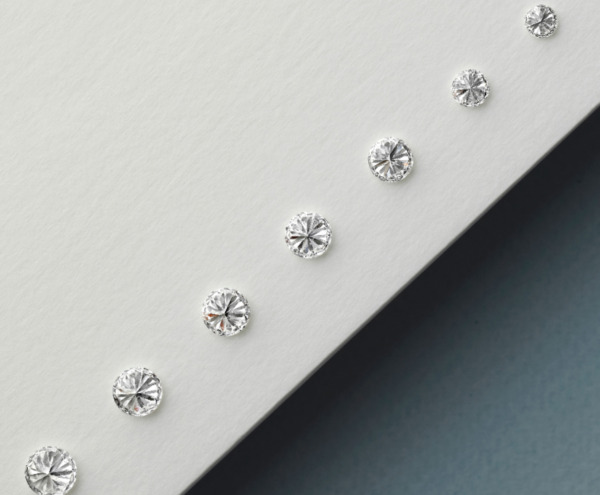
The 4Cs of diamonds (opens in a new window) determine how a gem looks and what it costs.
- Cut: The most important of the four. More than diamond carat (opens in a new window), it’s what creates brilliance. A smaller, well-cut diamond will often outshine a larger one.
- Color: Diamond color (opens in a new window) measures how white or warm a gem appears.
- Clarity: A diamond clarity guide (opens in a new window) helps explain inclusions, the tiny natural marks inside a gem. Most are invisible to the eye, so perfection on paper isn’t always necessary.
- Carat: This is where diamond size and value (opens in a new window) come in. Bigger isn’t always better, balance is.
Consider diamond shape
When it comes to diamond shapes (opens in a new window), this is where personality really shows. Shape changes everything, from how a ring catches light to how large it looks on the hand.
Round is the classic for maximum brilliance. Oval, pear and marquise elongate the finger and often look larger for their carat weight. Princess and radiant feel sharper and more modern, while cushion softens things with a more romantic edge. Emerald cuts are cleaner, sleeker and less about sparkle, more about clarity .
The right shape is rarely about trend. It’s about what feels right when you see it.

Buying online vs. in store
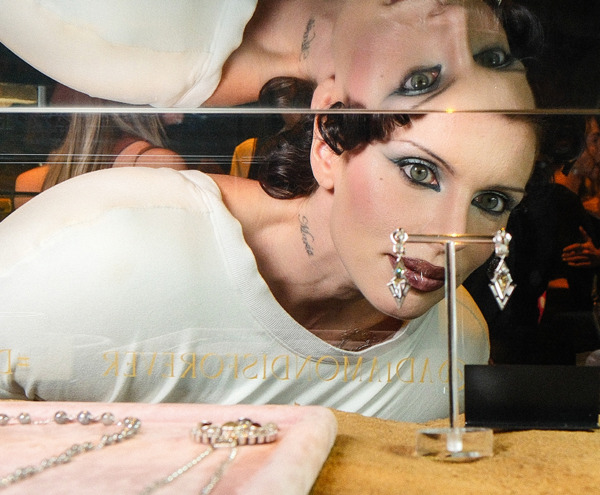
Shopping in store gives you the chance to see how different diamonds catch the light, compare settings side by side and get a feel for proportions that are difficult to judge on a screen. Online retailers, meanwhile, often offer a wider selection and the freedom to browse at your own pace.
Whichever route you take, reputation matters. Look for a jeweler that provides independent certification, transparent policies and expert guidance, whether that’s through an in-person appointment or a virtual consultation.
ADIF tip: If you’re torn between cuts or settings, a showroom visit can quickly bring your preferences into focus. Seeing an oval and an emerald cut side by side often makes the decision feel far more intuitive.
Complete the purchasing process
Before you buy, slow down. Make sure your diamond comes with independent certification, such as GIA or IGI, to confirm that it’s a real diamond (opens in a new window), as well as an appraisal for insurance and valuation purposes.
Just as important: check the return policy. If the ring isn’t quite right, you’ll want options. The same goes for warranties, insurance and aftercare services.
From diamond crafting (opens in a new window) to final paperwork, the details matter. Review everything before you commit.
Complete the purchasing process
Before you buy, slow down. Make sure your diamond comes with certification, like GIA or IGI, to confirm that it’s a real diamond (opens in a new window) and understand exactly what you’re paying for.
Just as important: check the return policy. If the ring isn’t quite right, you’ll want options. The same goes for warranties, insurance and appraisals.
From diamond crafting (opens in a new window) to final paperwork, the details matter. Review everything before you commit.

Tips for buying an engagement ring
- Think about your partner’s lifestyle. A lower, more secure setting will hold up better over time.
- Compare a few diamonds. The right one is often a feeling, not just a spec sheet.
- Keep proposal planning in mind. A rushed timeline rarely makes for the best choices.
- Work with a jeweler you trust. Good advice is part of the process.
- Think long-term. If future value matters to you, natural diamonds hold their value (opens in a new window) through rarity, longevity and the fact that they’re built to become heirlooms.
What it all comes down to
At the end of this engagement ring buying guide, after the settings, metals, cuts and budgets, it’s worth remembering what an engagement ring actually is: not just a purchase, but a promise.
The details matter, of course. The diamond, the craftsmanship, the way it feels on the hand. But what lasts is the meaning behind it.
The right ring isn’t necessarily the biggest or the most expensive. It’s the one that feels like them, and feels like the life you’re about to step into together. Because long after the proposal, that’s the part that stays.
FAQs
Why are diamonds considered such meaningful gifts?
Diamonds have long marked love, commitment and milestones. From proposals to anniversaries, diamond gift ideas (opens in a new window) carry both permanence and sentiment.
How can I create a customized engagement ring that reflects personal style?
Customization lets you shape every detail, from the setting to the engraving. The best diamond jewelry (opens in a new window) feels personal, not expected.
What makes fancy-colored diamonds a good investment?
Fancy color diamonds (opens in a new window) are prized for their rarity, especially pink, blue and yellow gems. Their scarcity is what makes them so collectible.
What are Desert diamonds and what makes them unique?
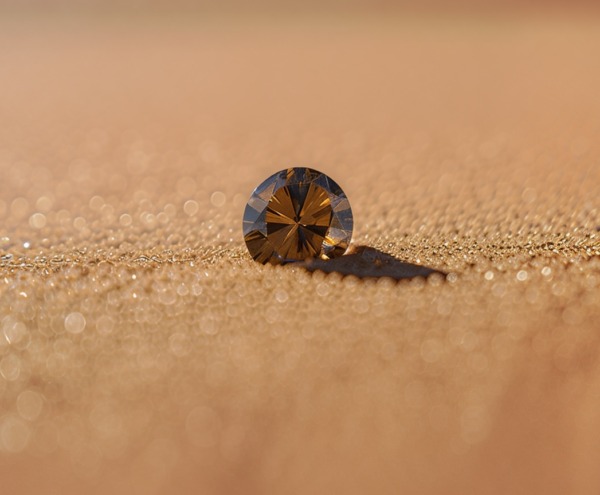
Desert diamonds (opens in a new window) are natural diamonds with warmer tones, from sunlit white to deep whisky. Their appeal is in that sun-warmed glow, softer, richer and less conventional than classic white gems.
Sources
- www.vogue.com/article/buying-engagement-ring-avoid-mistakes/ ↩︎
- www.vogue.com/article/buying-engagement-ring-avoid-mistakes/ ↩︎
- www.mikadodiamonds.com/blogs/featured-articles/custom-engagement-ring-timeline/ ↩︎
- www.vogue.com/article/buying-engagement-ring-avoid-mistakes/ ↩︎
- www.vogue.com/article/buying-engagement-ring-avoid-mistakes/ ↩︎
- www.naturaldiamonds.com/engagement-rings/engagement-ring-trends/ ↩︎
- www.whowhatwear.com/living/wedding/engagement-ring-trends-2025/ ↩︎
- www.naturaldiamonds.com/engagement-rings/engagement-ring-trends/ ↩︎


