
Receiving a natural diamond is always special. Whether it marks a milestone, a romantic gesture, or a well-earned gift to yourself, it’s more than just another piece of jewelry. It’s something you’ll wear often, reach for instinctively and come to associate with a specific chapter in your life.
If you’ve just been gifted a natural diamond, knowing what to do next matters. Understanding how to care for your diamond from day one helps protect its brilliance, its setting and its value, so it continues to look as exceptional as the day it came into your hands.
Why your new natural diamond still needs protection
Diamonds are famously the strongest mineral on Earth, rating a 10 on the Mohs Hardness Scale1, but you still need to handle your jewelry with care. Treat them right, and they’ll hold that light-catching brilliance for decades.
Daily wear can take its toll on jewelry. Dirt and debris can build up, dulling a diamond’s shine; metals can become scratched or tarnished, and settings can work loose. Learning how to protect diamond jewelry is the first step for diamond owners who want their piece to retain its brilliance. Find out more in our historic guide to the value of natural diamonds.
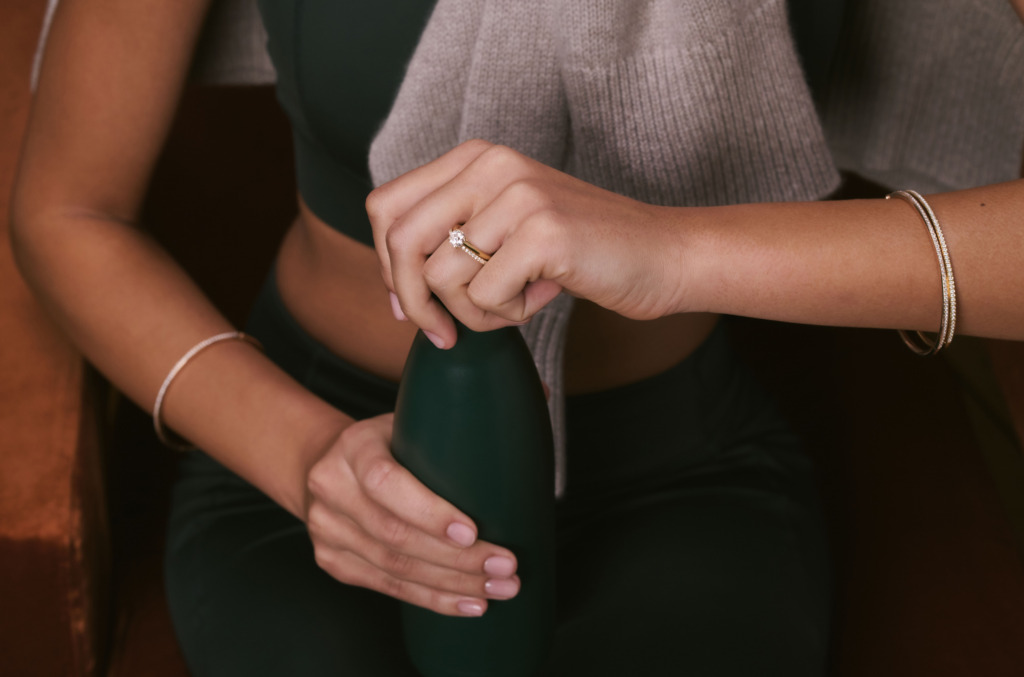
Get to know your diamond
You don’t have to be an expert to love diamonds, but understanding a few fundamentals will help you care for yours with confidence.
Every natural diamond is defined by four key characteristics, known as the 4Cs of diamonds:
- Color: Natural diamonds are valued by how close they are to being colorless. They are graded from D – Z, with D being the highest grade2.
- Clarity: Every natural diamond has unique birthmarks. These can be internal (inclusions) or external (blemishes). Clarity refers to the absence of these features. So what’s the highest diamond clarity? Most diamonds are graded VS (very slightly included) or SI (slightly included)3.
- Cut: Diamond cutting really is an artform. Cut reflects the quality of a diamond’s craftsmanship, from its proportions to its symmetry and polish4. A well-cut diamond interacts beautifully with the light, amplifying that trademark sparkle.
- Carat: Carat refers to a diamond’s weight rather than its physical size. One carat is equal to 0.2 grams, though diamonds of the same weight can appear different depending on their cut5.
Some of these factors influence diamond gift maintenance. Diamonds with lower clarity grades or those cut with a thin girdle (the narrow band around a diamond where the upper section and lower section meet) can be more susceptible to damage over time6. Large diamonds may be more prone to knocking against surfaces and need to be insured as they are often more valuable.
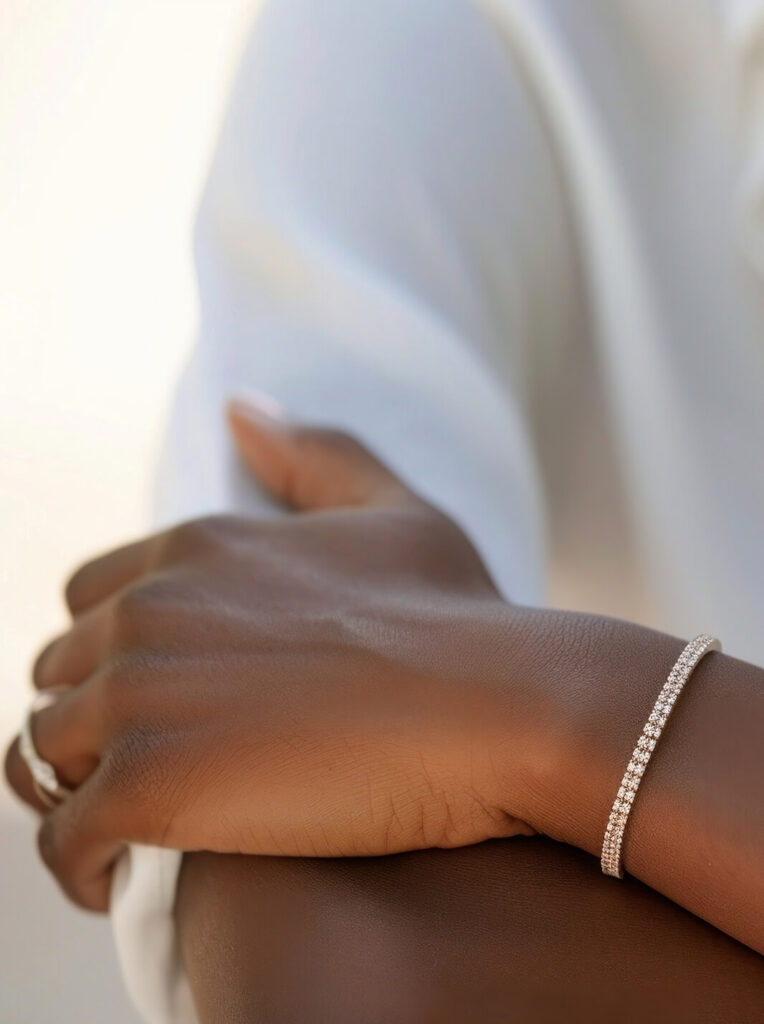
The everyday habits that protect a natural diamond
When you’re first handed a natural diamond gift, it sparkles with brilliance. Building simple care habits from day one helps preserve that look, protecting both the diamond and the setting it’s worn in.
Everyday wear exposes jewelry to far more than meets the eye, from knocks and friction to oils and residues that can dull its surface over time. Paying attention to a few small details can make a noticeable difference to how your diamond jewelry wears and ages.
These everyday habits help keep your diamond looking its best:
- Remove jewelry before exercise or household tasks.
- Put your diamonds on last after your skincare routine.
- Keep diamond jewelry separate from other pieces when you store it.
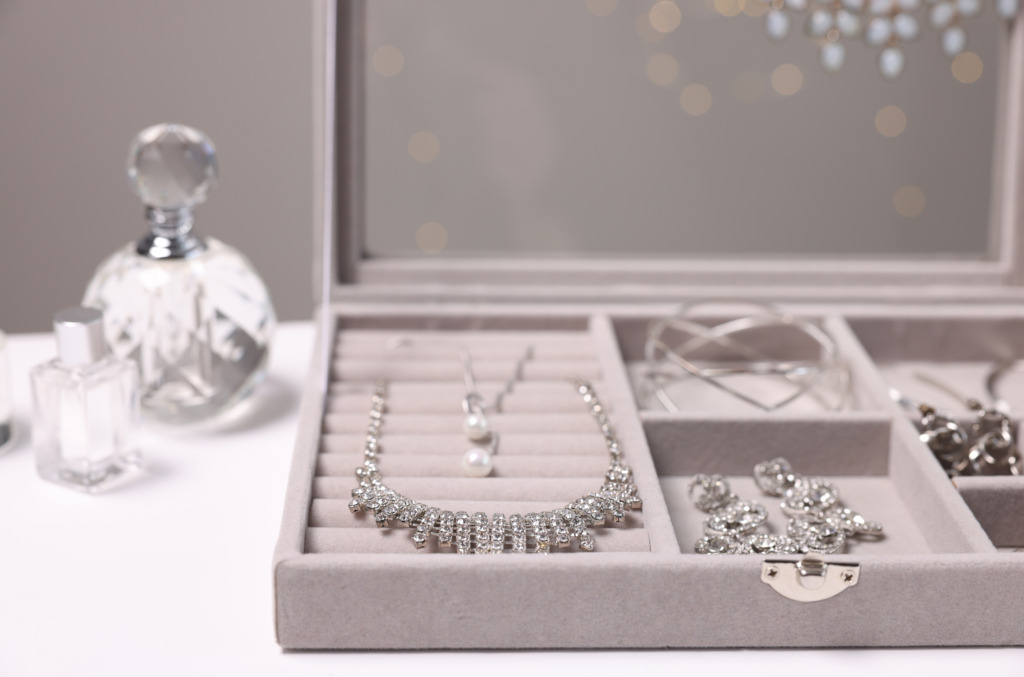
Why cleaning new diamond jewelry is vital
Diamonds are naturally lipophilic, meaning they attract grease and oils7. Natural oils from skin, along with residue from skincare or makeup, can quickly cling to a diamond’s surface, drawing in dust and dulling its appearance.
Regular cleaning removes this invisible buildup. It’s one of the simplest ways to prevent diamond cloudiness and keep a new diamond looking bright and clear.
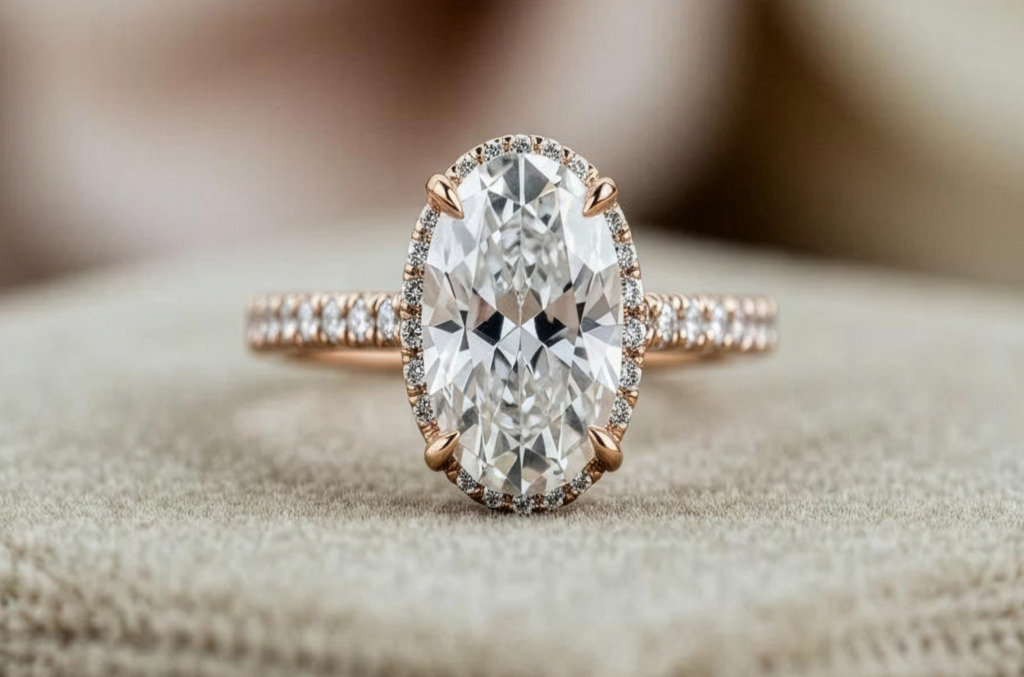
Everyday cleaning and maintenance for diamond gifts
New diamond gift care is all about prevention, rather than a cure. And it’s not complicated. Just follow these daily rules:
- Keep your diamond away from beauty products, sweat, chlorine, sea water and harsh household chemicals8.
- Take it off before bed.
- When you aren’t wearing it, store it in a soft-lined case or box9.
- Touch it as little as possible.
- If it looks a bit dull, give it a polish with a jewelry cloth to keep it clean and restore its shine.
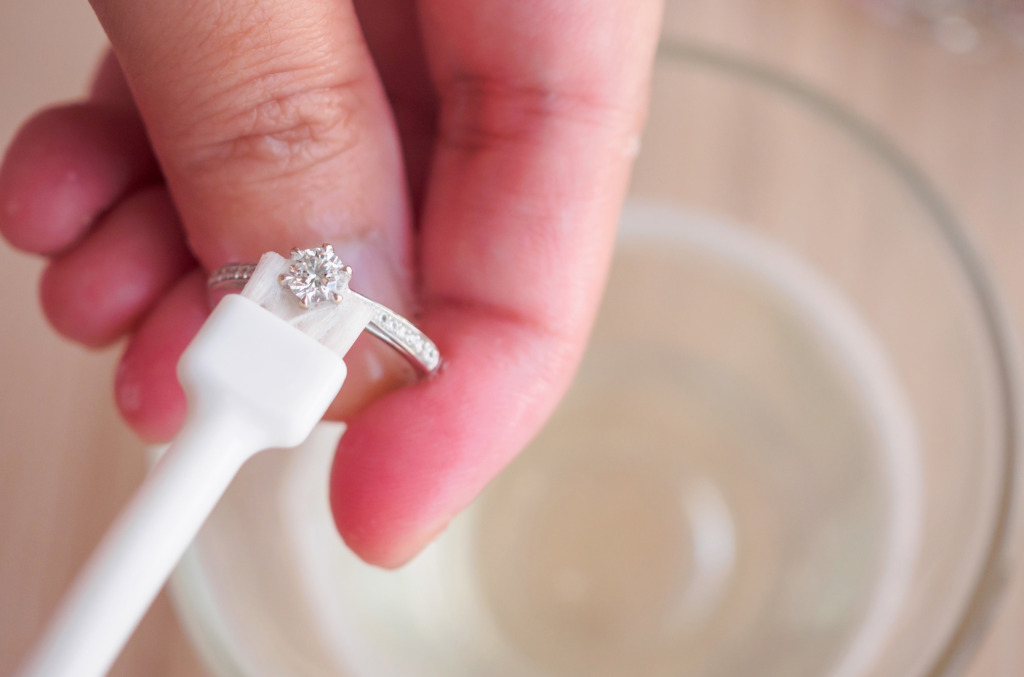
How to clean diamond jewelry at home
Giving your diamond a deeper clean at home is simple and safe when done correctly. Following this routine every two to four weeks is usually enough to remove residue that everyday habits can’t prevent, helping your jewelry keep its clarity between professional inspections.
- Soak it in a degreasing solution for 15-20 minutes. A couple of drops of dish soap and warm water is perfect. Avoid chlorine bleach or anything harsh or abrasive like household cleaners or toothpaste.
- Give it a gentle scrub with a very soft toothbrush. Be particularly careful around delicate settings. And if you’re washing over a sink, make sure the plug is in.
- Rinse with clean water.
How professional care helps protect diamond jewelry
At-home cleaning is an important first step for diamond owners, but professional care plays a key role in long-term protection. Having your diamond jewelry inspected by an expert once a year helps ensure that the setting remains secure and that any early signs of wear are addressed before they become a problem.
During an annual inspection, a jeweler will check prongs and clasps for movement or damage and assess the metal for signs of wear. These visits are also an opportunity to have your jewelry professionally cleaned and polished, restoring its clarity and finish12.
Between inspections, you can keep an eye on your jewelry at home. Gently tapping the piece near your ear may reveal a loose stone, while running a soft cloth over the setting can help detect lifted prongs. If anything feels or sounds unusual, take the piece to a professional jeweler for assessment rather than continuing to wear it13.

When cleaning won’t change a diamond’s appearance
Wherever your gift sits on the diamond color spectrum, if a diamond still looks slightly hazy after a thorough clean, the reason may not be surface residue. Some natural diamonds contain microscopic inclusions that formed as the gem grew deep within the Earth. These internal characteristics can create a softer appearance and are part of the diamond’s natural structure14,not a result of wear or care. They also make each diamond visually unique.
Safely storing diamond gifts
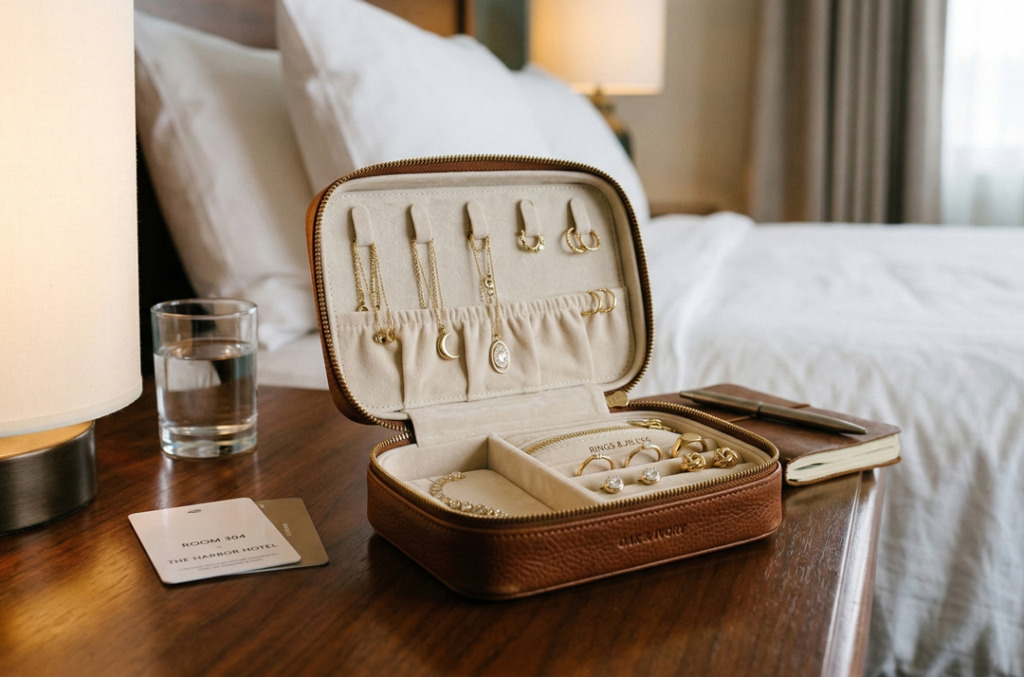
How and where you store diamond jewelry matters just as much as how you wear it. Proper storage helps prevent scratches, accidental knocks, and unnecessary contact with other gems or metals, preserving both the diamond and its setting over time.
Diamonds are extremely hard, which means they can easily scratch other jewelry, and even each other, if they’re stored together. Thoughtful storage protects your piece when it’s not being worn and helps maintain its finish between cleans and inspections.
The golden rules of diamond storage are:
- Use a soft fabric lined jewelry box with separate compartments.
- For travel transport diamonds in a soft jewelry wrap or roll.
- Store diamonds in a cool, dark place away from direct sunlight. You can use silica gel packs to reduce humidity15.
Step-by-step diamond insurance guide
Even with careful wear and storage, diamonds can still be lost, damaged, or stolen. Insurance adds an extra layer of protection, giving you peace of mind from the moment your jewelry becomes part of your life.
Ideally, diamond jewelry should be insured as soon as you receive it. Coverage varies by provider, but most policies factor in the value of the diamond, your location, and whether the policy includes a deductible.
Premiums typically range from one to three percent of the item’s value. You can anticipate paying around $1 to $3 for about every $100 your jewelry is worth.
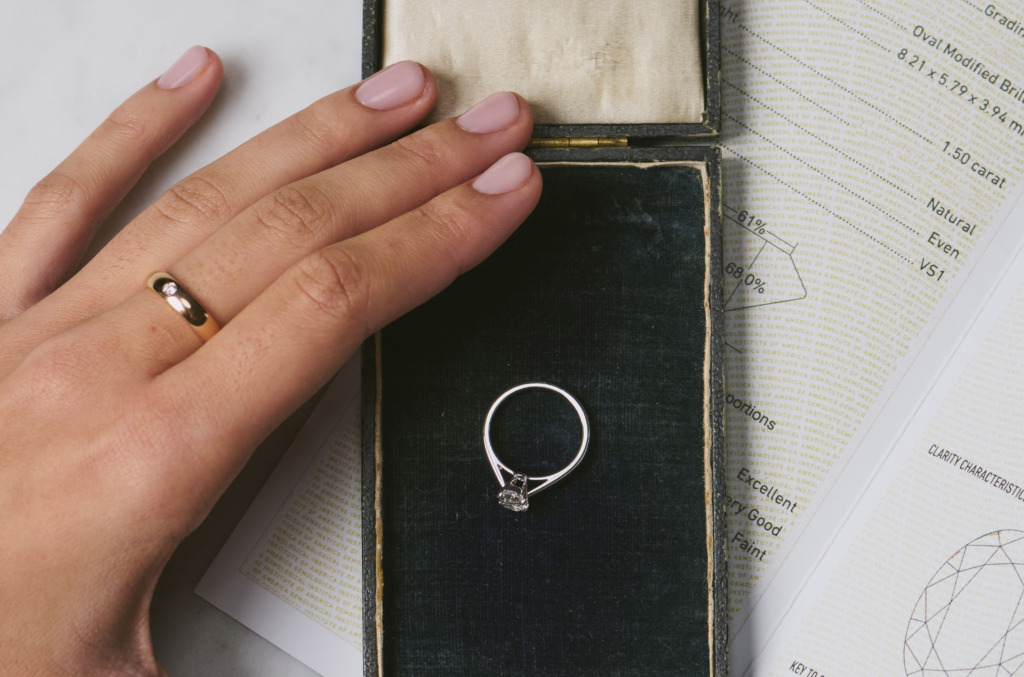
To insure a diamond properly, you’ll need documentation that confirms its value and characteristics. For higher-value pieces, insurers may require a professional appraisal, while a purchase receipt can be sufficient for simpler items. Diamonds of half a carat or larger are often accompanied by a grading report from an independent laboratory, which helps verify the diamond’s quality and can be useful if it ever needs to be identified.
Keep copies of appraisals, certificates, receipts, and photographs stored securely, separate from the jewelry itself. Having this information on hand makes claims far simpler, should you ever need to make one16.
Caring for a diamond with confidence
Natural diamond jewelry is made to be worn and enjoyed, not hidden away. With a few thoughtful habits, regular cleaning, and the right professional support, caring for your diamond becomes second nature.
Understanding how your diamond responds to everyday wear, surface buildup, and long-term storage allows you to protect its appearance and integrity over time. With the right care in place, your diamond can continue to look as clear and compelling as the day it entered your life.
FAQs
Short answer, no. If you care for your diamond properly it will keep its shine forever.
Gifting a diamond is the ultimate way to show you care. Whether it is handed over on a bent knee, as an anniversary birthday present, or a ‘just because’ gift the meaning is the same: you matter to me.
Sources
- www.gemsociety.org/gems-ordered-mohs-hardness/ ↩︎
- www.gia.edu/gia-about/4cs-color/ ↩︎
- www.gia.edu/gia-about/4Cs-Clarity/ ↩︎
- www.4cs.gia.edu/en-us/diamond-cut/ ↩︎
- www.gia.edu/gia-about/4cs-carat/ ↩︎
- www.theclassicgem.com/beyond-the-4cs-of-diamond-buying/ ↩︎
- www.diamondsource.co.za/diamond-material-properties/ ↩︎
- www.net-a-porter.com/fashion-memo/how-to-clean-jewelry/ ↩︎
- www.naj.co.uk/advice/caring-for-jewellery/ ↩︎
- www.ernestjones.co.uk/how-to-clean-diamonds/ ↩︎
- www.gia.edu/gia-news-research-secrets-keep-diamond-sparkling/ ↩︎
- www.debeers.co.uk/en-gb/looking-after-your-diamond/ ↩︎
- www.debeers.co.uk/en-gb/looking-after-your-diamond/ ↩︎
- www.gia.edu/gems-gemology/fall-2019-fancy-white-fancy-black-diamonds/ ↩︎
- www.vistavistavision.com/blogs/jewellery-blog/how-to-store-diamond-jewellery/ ↩︎
- www.brides.com/story/how-to-insure-your-engagement-ring/ ↩︎


