
Not all gemstones are created equal, but they all have their charms. A velvety blue sapphire. A fiery ruby. A sea green emerald. Each one tells its own story, holds its own symbolism, and can be deeply personal to the wearer. But when it comes to the kind of emotional resonance that spans generations, cultures, and life’s most significant moments? That’s where only a natural diamond hits the mark.
In this piece, we’re looking closely at how natural diamonds compare to other precious gems and why, for so many, only one gem has everything…
Why emotional value matters in gemstone choice
When we talk about the emotional value of a gemstone, we’re talking about that indefinable essence that makes it truly special. A jewel might be dazzling to look at, but what makes it genuinely precious is the story it holds.
That’s why, when it comes to those milestones like engagements, anniversaries, or once-in-a-lifetime celebrations, the choice often comes down to gemstone vs diamond. And that’s an important choice. You don’t just want something that sparkles, you want something with significance. That’s why so many people opt for a natural diamond to mark the most important moments in their lives.
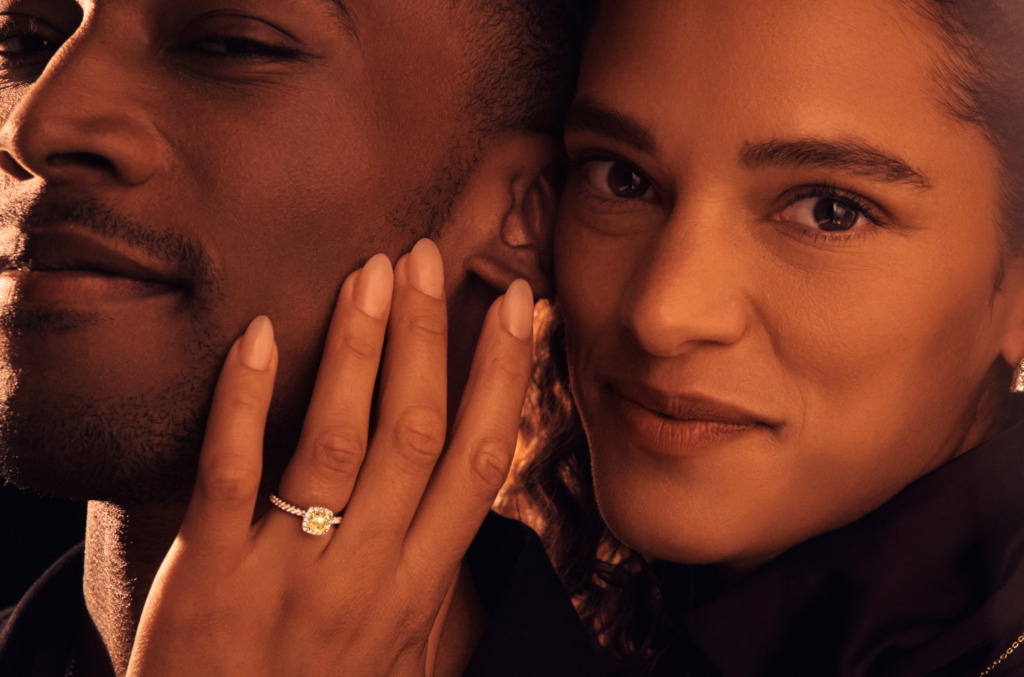
Diamonds’ place in history
This is nothing new. History shows that diamonds have always been special. The ancient Greeks called them adamas, meaning unconquerable. In medieval Europe diamonds were revered as the ‘tears of the gods’ and worn as protective amulets in battle. By the reign of Charlemagne in the 8th Century diamonds sat firmly at the pinnacle of gemstones, with people associating their glistening purity with strength, power, eternal life and safety. Over time and across cultures diamonds have always captured the imagination and now they are most often seen as the ultimate symbol of eternal love1.
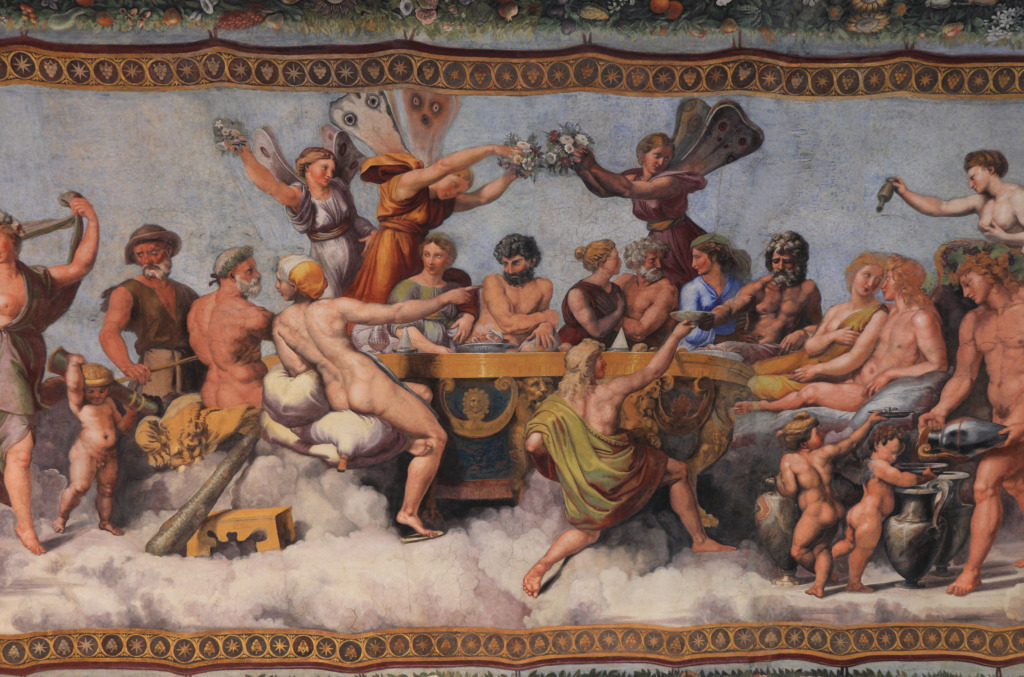
While diamonds are the OG, other gemstones are also associated with deeper meaning. Sapphires are known as symbols of wisdom2, emeralds signify rebirth3, and rubies passion4. But none of these can really stand up against diamonds when it comes to emotional heft. Natural diamonds are rare, beautiful and the number one choice when it comes to embodying deeper feelings and marking significant events.
How natural diamonds connect with human emotion
Natural diamonds are the most iconic gemstones and the top choice when it comes to marking a big event5. In the US alone, 72% of engagement rings feature a diamond, a trend that’s as hot now as it’s ever been. In 2025 all of the major celebrity engagements included a diamond ring including singers Taylor Swift, Dua Lipa and Normani to super model Elsa Hosk and actress Zendaya.
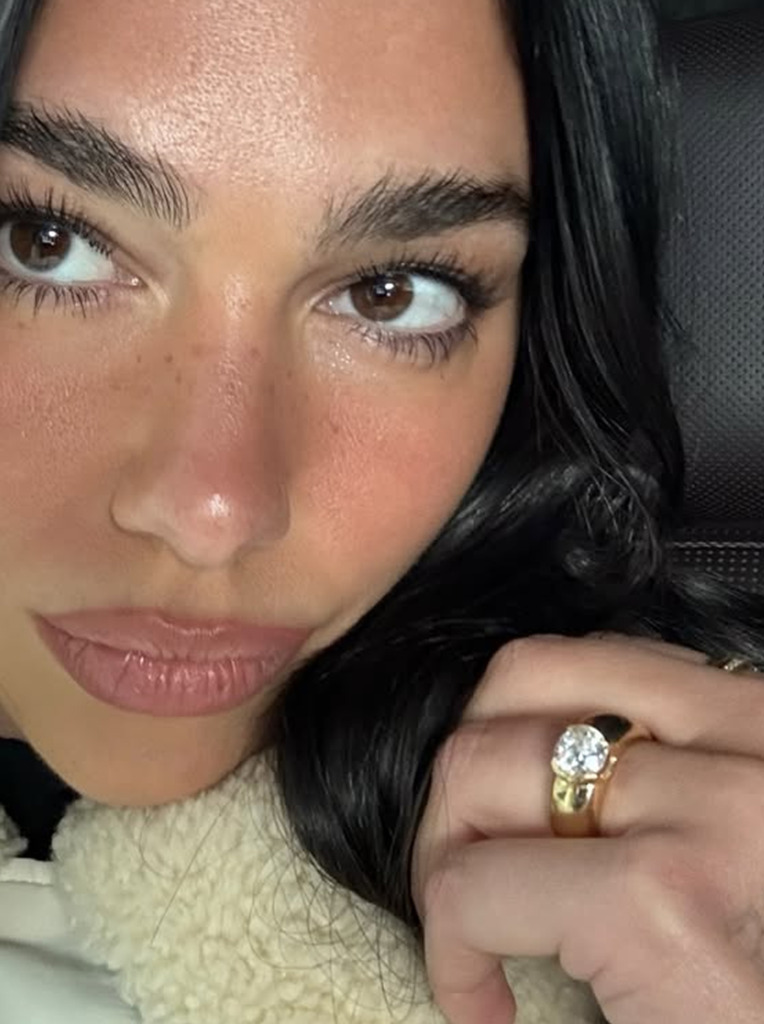
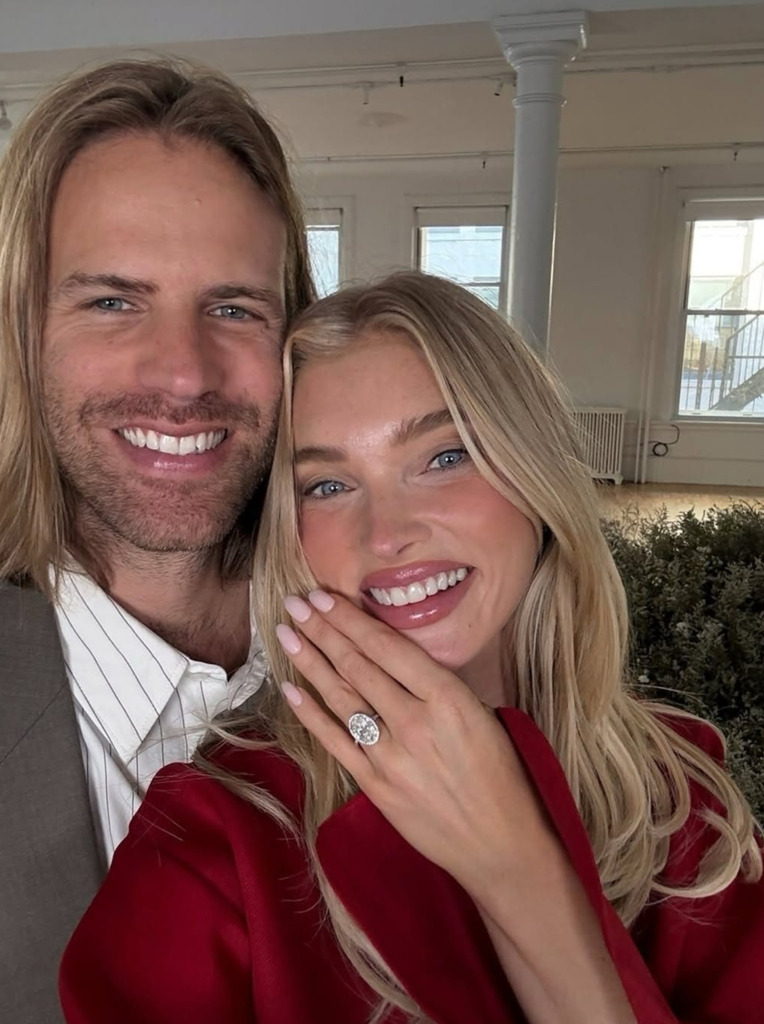
Diamonds aren’t just for engagements. Over a third of women (36%) are lucky enough to get diamonds before the proposal and almost half (45%) of married women receive diamond love tokens from eternity bands to ‘push presents’. The power and appeal of diamonds is clearly lifelong6.
What makes natural diamonds the natural choice to mark our most important moments? It starts with their origin story. Each diamond was formed millions of years ago hundreds of miles beneath the Earth’s surface. Then there’s their purity. Unlike other gems that are compounds of many elements, diamonds are made of just one: carbon. Finally, it’s their unmatched durability. Rated a 10 on the Mohs hardness scale, they’re the hardest known natural material. The perfect choice for jewelry that is designed to worn for a lifetime.
Diamonds as cultural icons
Diamonds aren’t just sparkling jewels we love to possess; they’re cultural icons. They are the gem of choice for royalty and red-carpet moments. Think the giant Cullinan I in the British Imperial State Crown, which is still worn by King Charles III today or the 34-carat yellow diamond necklace worn by Doja Cat at the 2025 Oscars ceremony. They are part of poetry, pop songs (who can forget Rhianna’s Diamonds which was number one in over 20 countries?) and classic movies from Breakfast at Tiffanys to Uncut Gems.
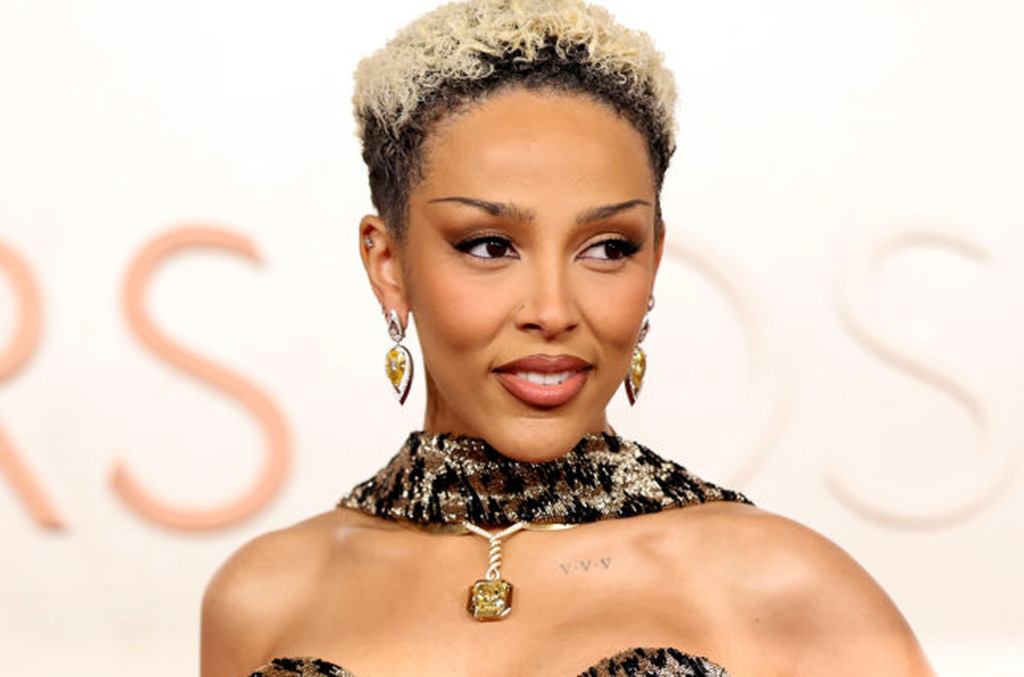
Sapphires, rubies and emeralds all have their place, but nothing quite matches the cultural significance or pure beauty of a natural diamond. That’s why diamonds hold such emotional weight for us and why we choose them to mark the most important moments in life. Whether it’s a proposal, the birth of a child, the coronation of a monarch or a movie premiere only a diamond will do. To gift or wear a natural diamond is to become part of a tradition that is both deeply personal, connected to nature and universally understood as of deep importance.
How natural diamonds and lab-grown stones differ in meaning
At first glance, a lab-grown diamond (LGD) may look the same as a natural one. But when you consider their emotional value, they couldn’t be further apart. A natural diamond is a unique gem, born of nature and complete with its own individual personality, flaws and all. A LGD, by contrast, is man-made, homogenous and infinitely replicable7.
Give someone a natural diamond and you’re giving them a one-of-a-kind piece. Its pattern of inclusions and blemishes map its billion-year history beneath the Earth’s surface. Give them an LGD and you are handing a gem that looks identical to the one that came before it and the one that comes after it. It will sparkle brightly, but it has no story behind it. It’s like the difference between an original painting and a print; they’re both beautiful, but only one is the real deal.
Getting down to money the distinction between natural diamonds and LGDs translates into a big difference in value. When synthetic diamonds first entered the market, they were priced about 20% lower than natural diamonds. But according to a 2023 report by Bain & Company, that gap has since grown to as much as 80%. With mass production and oversupply flooding the market, lab-grown prices have collapsed, a reminder that what can be manufactured endlessly isn’t as precious. Meanwhile, in most cases natural diamonds, retain lasting financial worth8.
LGDs are real diamonds, but they aren’t the same as natural diamonds and for those moments that matter, that counts for something. If you want to wear something original, unique and with a deep connection to history, culture and nature then your only option is a natural diamond.
How other gemstones compare to natural diamonds
Other gems have their own allure. The inky blue of a sapphire, the verdant green of an emerald or the red fire of a ruby and sparkle of moissanite are all stunning in their own way, but they’re not diamonds. In this section we take a look at some of the alternatives to natural diamonds to see how they compare.
Moissanite vs Diamond
Moissanite was first discovered in 1893 by French chemist Henri Moissan in a meteorite crater in Arizona. The mineral was hailed as something rare and otherworldly. Natural moissanite remains extremely scarce; meteorites don’t exactly crash to Earth every day, which is why the moissanite we see in jewelry today is entirely lab-made, created from synthetic silicon carbide9.
Symbolically, moissanite is sometimes linked with youthfulness and energy, but its associations are recent and lack deep cultural roots. Its sparkle, with rainbow-like flashes of light, is pretty, but it feels a little artificial. Affordability remains its main draw, but moissanite’s emotional significance is limited10.
As a lab-created material, moissanite is a relatively modern addition to fine jewelry. Its appeal is largely driven by affordability and accessibility rather than rarity. Like LGDs, it can be produced at scale and replicated with ease, which limits both its long-term value and its ability to accrue cultural or emotional significance over time.
Sapphire vs Diamond
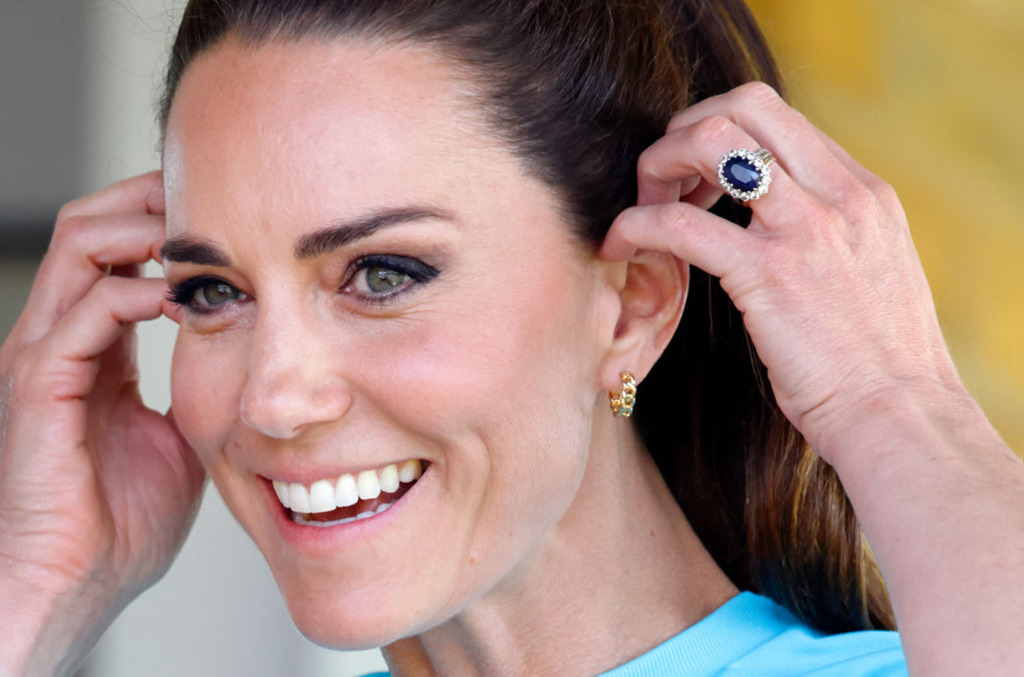
For centuries, sapphires have been seen as gemstones of the heavens, protectors of innocence, bestowers of truth and loyalty. In the Middle Ages, they were believed to suppress negative thoughts and guard the wearer on journeys. Even today, their deep blue color is tied the concepts of wisdom, prosperity and inner peace, making them thoughtful gifts11. Movie icon Elizabeth Taylor was once gifted a 25-carat sapphire ring by her on-again-off-again beau Richard Burton. But if there’s one sapphire ring that’s burned into modern memory, it’s the Duchess of Cambridge’s. Kate Middleton’s oval sapphire is undeniably eye-catching, but it’s the halo of 14 natural diamonds that gives the piece its unmistakably regal feel.
Yet sapphires have their limitations. They’re more susceptible to scratching than diamonds and, over time, may need re-polishing or re-cutting to restore their appearance. They also lack the same brilliance; diamonds refract more light, creating that unmistakable fire and sparkle that has made them the ultimate emblem of luxury12. And while sapphires can be costly, their cultural presence doesn’t come close to the universal recognition of diamonds.
In that sense, sapphires make a meaningful choice for a gift, perhaps for a fifth wedding anniversary, where they symbolize strength and hope for the years ahead13. Beautiful as that is, sapphires aren’t the go-to for all milestones, nor are they suited to daily wear in the way natural diamonds are.
Emerald vs Diamond
The Egyptians associated emeralds them with Isis, the goddess of motherhood and magic, believing they carried a divine connection. In ancient times, they were prized by royalty and the elite as symbols of wealth, power and social standing. Today, emeralds are often linked with new beginnings14. They have featured in red-carpet appearances by Beyoncé, Lady Gaga and Angelina Jolie.
But while they hold cultural significance, emeralds fall short in terms of resilience and universality. Softer than diamonds, rating between 7.5 and 8 on the Mohs hardness scale, emeralds are far more vulnerable to scratches and chips. Most emeralds also contain inclusions visible to the naked eye, which can affect both appearance and durability. They demand delicate handling, regular cleaning and a level of care that makes them less suited to daily wear15.
And while emeralds are admired for their beauty and associations with renewal, their symbolism feels more individual than universal, meaningful for personal expression, but not the gemstone most people turn to for life’s major milestones. For those moments natural diamonds, combine the durability required for daily wear with a cultural weight that other gems can’t touch, making them the natural choice.
Ruby vs Diamond
Rubies have always been dramatic gems. Their blood-red hue has carried connotations of passion, danger and even superstition, from warriors who believed they granted invincibility in battle to cultures that tied them directly to blood itself16. Taylor Swift, Renee Zellweger and Gwyneth Paltrow have all opted for blood red rubies to accessorize red carpet outfits.
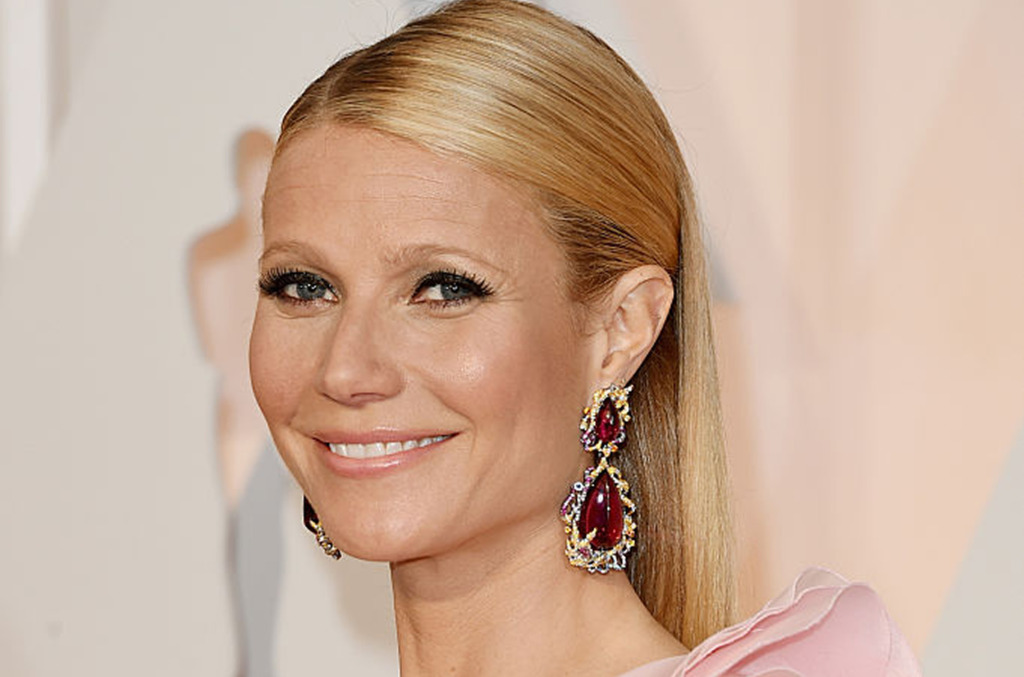
This intensity earned rubies a reputation as the ‘king of gemstones’, but it also makes them feel more volatile than enduring.
That volatility shows in practice, too. Rubies are softer than diamonds and more prone to chipping, and their value depends almost entirely on hitting just the right shade of red. Too light, and you’re in pink sapphire territory; too dark, and the brightness is lost17.
So, while rubies might signify passion, their symbolism is often tied to intensity, rather than the universal recognition that natural diamonds command. Their rarity above one carat also makes them difficult to source in the sizes most people want for milestone jewelry. And because rubies are denser than diamonds, a one-carat ruby will actually appear smaller than a one-carat diamond, further limiting its impact18.
Why natural diamonds remain the ultimate gemstone choice
In every gemstone vs diamond comparison, the conclusion is clear: diamonds win on emotional and cultural significance, pure beauty and practicality.
That’s not to say that colored gemstones don’t have genuine appeal. If you want to add a pop to a piece then matching sapphires, rubies or emeralds with diamonds is a winning combination. But if you want to play with color, remember natural diamonds don’t only come in white. Fancy colored diamonds come in pinks, yellows and blues so you can add a splash of color without losing all the other benefits delivered by natural diamonds.
When it comes to comparing lab-grown diamonds vs natural diamonds, it’s more clear cut. Like moissanite, LGDs, certainly deliver affordable sparkle, but they fall short when it comes to individuality, rarity, authenticity and lasting value. For those qualities you must turn to natural diamonds.
Iconic mixed natural gemstone and diamond celeb moments
These celebrity pieces show how the bold color of gemstones and the clarity of natural diamonds can complement each other beautifully, especially when there’s meaning behind the mix.
Kate Middleton
The oval sapphire may be the centerpiece, but it’s the halo of 14 natural diamonds that gives this heirloom ring, once worn by Princess Diana, its unmistakable royal polish19.
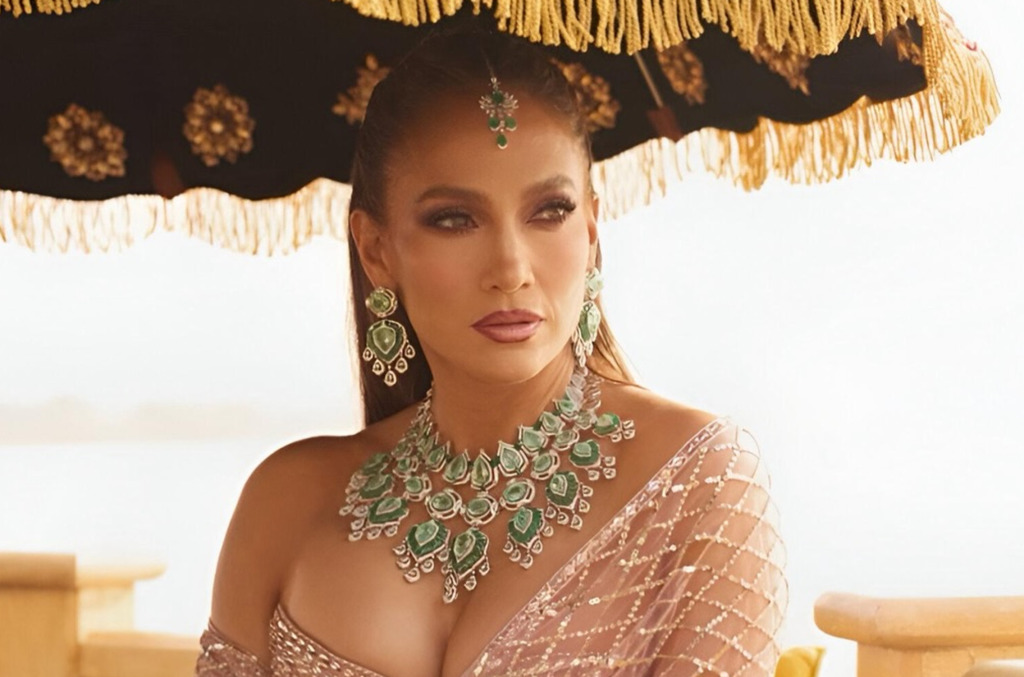
Jennifer Lopez
For a wedding in Udaipur, JLo wore Manish Malhotra’s emerald Maharani Necklace, inspired by the high jewelry of Indian Maharanis. Diamond earrings, bangles, and rings worn alongside the emeralds brought classic elegance to the rich color20.
Rihanna
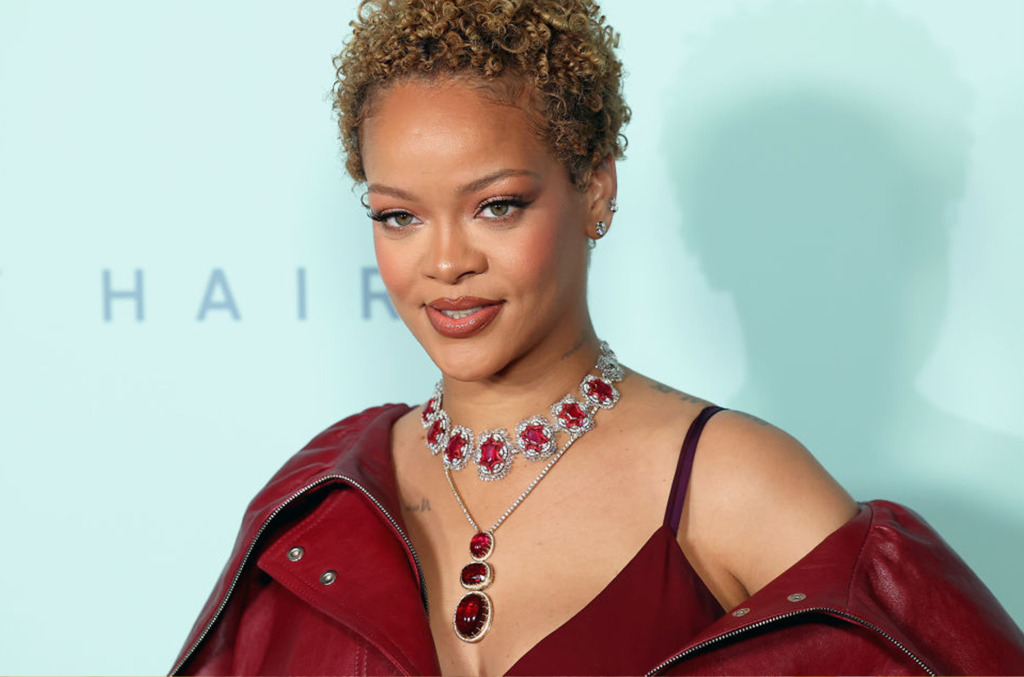
At the Fenty Hair launch, Rihanna wore a ruby and diamond choker by Manish Malhotra and a drop necklace of rubellite, tourmaline, and diamonds by Sabyasachi. A strong look that made the case for mixing gemstones21.
Victoria Beckham
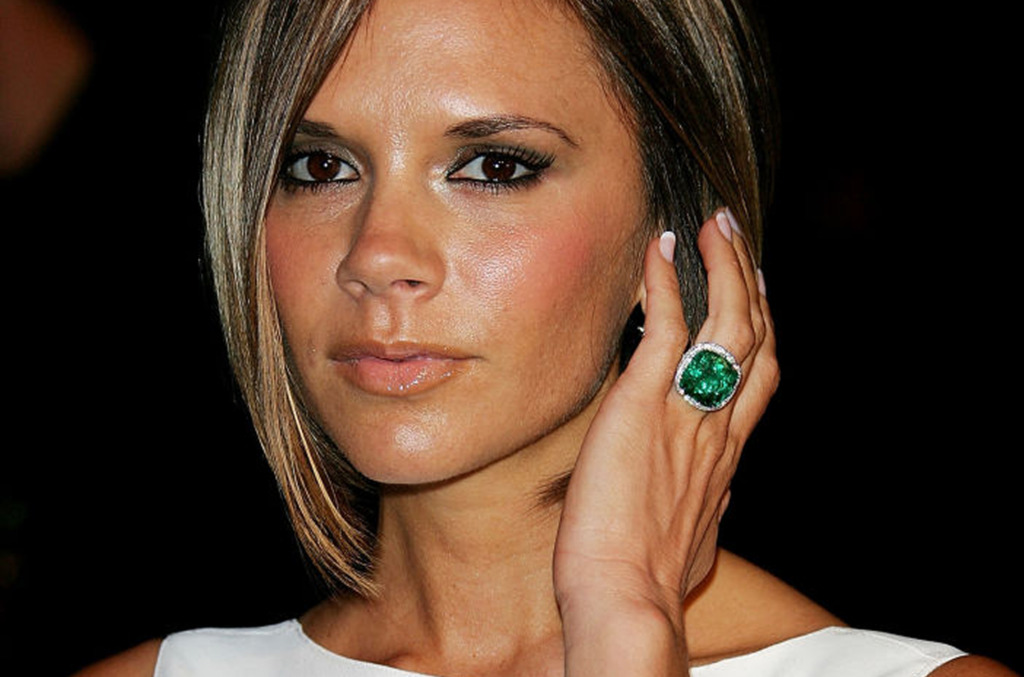
Among her many engagement rings, Victoria Beckham has shown she’s a fan of mixing vivid gemstones with diamonds. Her collection includes a ruby framed in a diamond halo, a cushion-cut emerald wrapped in diamonds, and a sapphire set on a pavé band22.
Nita Ambani
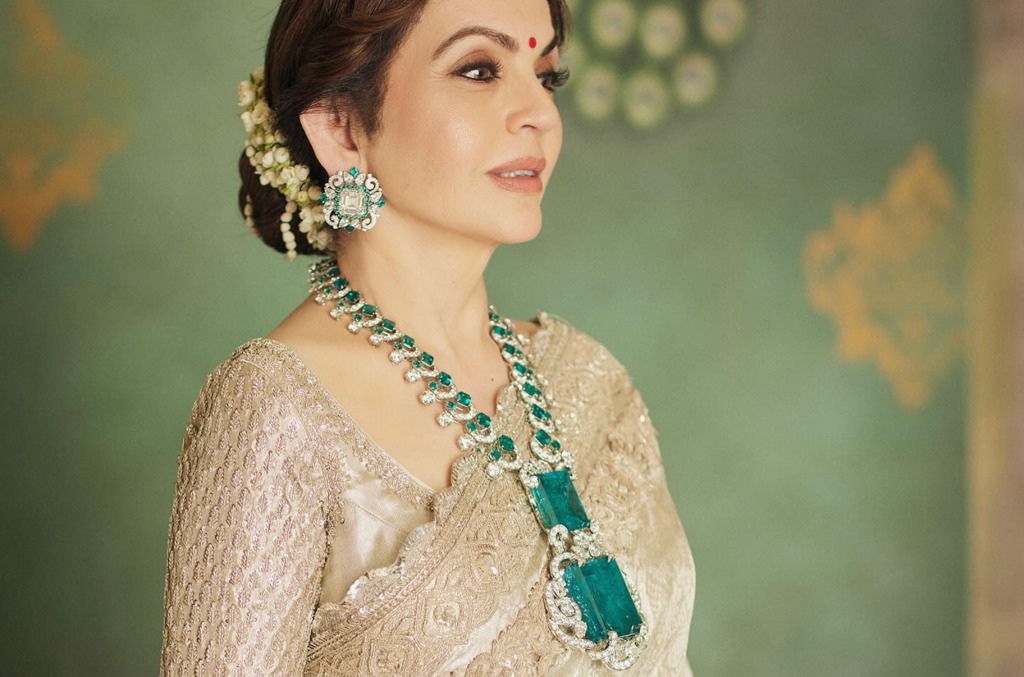
Her emerald necklace, 863 carats, framed by 52 carats of Mughal-era diamonds, might be extreme in scale, but it proves how a bold gem and well-placed diamonds can speak the same language23.
From milestones to memories, natural diamonds endure
All gemstones have a unique beauty and carry their own symbolism forged over time (albeit not that long for more modern alternatives). But when it comes down to it in every gemstone vs diamond comparison there is a clear winner. Natural diamonds.
Whether you are looking for a gem that has purity and individuality, a deep connection to nature, unmatched endurance, rarity, deep cultural significance, lasting value or contemporary appeal, a natural diamond checks every box.
Gifting a jewel is always meaningful, but receiving a natural diamond means more. It means owning a spark from deep within the Earth, that has a history reaching back billions of years. It means becoming part of a tradition that spans centuries and touches everyone from monarchs to movie stars. It’s a symbol of love, success and power that is unmatched by any other gemstone.
Sources
- www.withclarity.com/blogs/diamond/diamonds-meaning/ ↩︎
- www.gaayugems.com/why-sapphire-is-known-as-the-stone-of-wisdom-and-royalty/ ↩︎
- www.emerald.org.in/emerald-gemstone/emerald-rebirth-gemstone/ ↩︎
- www.withclarity.com/blogs/gemstone/ruby-meaning/ ↩︎
- www.celinni.com/en/content/category/9-the-diamond/ ↩︎
- www.debeersgroup.com/diamond-insights/the-diamond-insight-report/ ↩︎
- www.naturaldiamonds.com/natural-diamond-types-and-alternatives/lab-grown-diamonds/ ↩︎
- www.fogalandbarnes.com/the-rise-and-fall-of-the-lab-grown-diamond/ ↩︎
- www.naturaldiamonds.com/natural-diamond-types-and-alternatives/moissanite-vs-diamond/ ↩︎
- www.leibish.com/diamonds/moissanite-vs-diamond-which-gem-should-you-choose/ ↩︎
- www.jewelsforme.com/sapphire-meaning/ ↩︎
- www.diamondregistry/the-advantages-and-disadvantages-of-sapphire-engagement-rings/ ↩︎
- www.withclarity.com/gemstone/sapphire-5th-anniversary-gemstone-and-jewelry-gifts/ ↩︎
- www.americangemsociety/birthstones/may-birthstone/history-of-emerald/ ↩︎
- www.gia.edu/seeing-green/ ↩︎
- www.gemsociety.org/article/history-legend-rubies-gems-yore/ ↩︎
- www.gia.edu/ruby-quality-factor/ ↩︎
- www.4cs.gia.edu/diamonds-vs-rubies/ ↩︎
- www.lilyarkwright.com/the-history-of-kate-middletons-ring/ ↩︎
- www.elle.in/fashion/jennifer-lopezs-indian-look-that-broke-the-internet/ ↩︎
- www.crisscut.stevenstone.co.uk/rihanna-stuns-in-necklaces-from-two-high-end-indian-designers/ ↩︎
- www.naturaldiamonds.com/victoria-beckham-engagement-rings/ ↩︎
- www.msn.com/who-made-nita-ambani-s-iconic-green-emerald-necklace/ ↩︎


