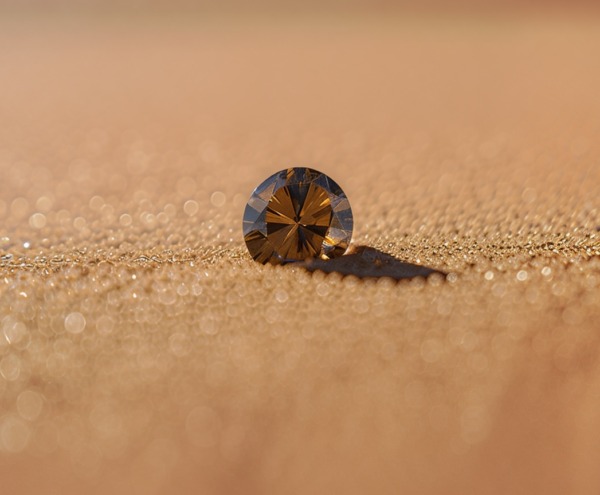
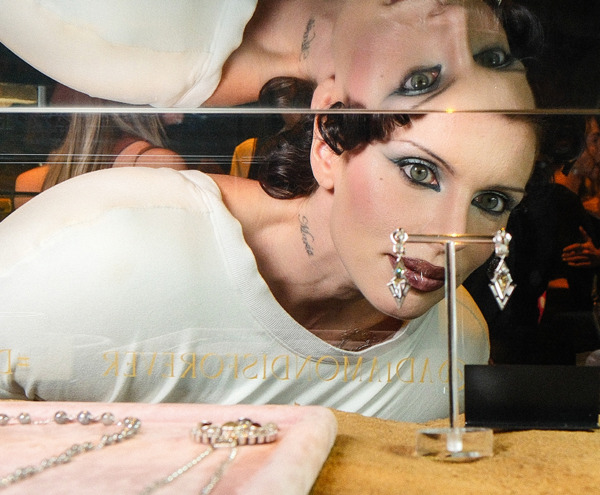
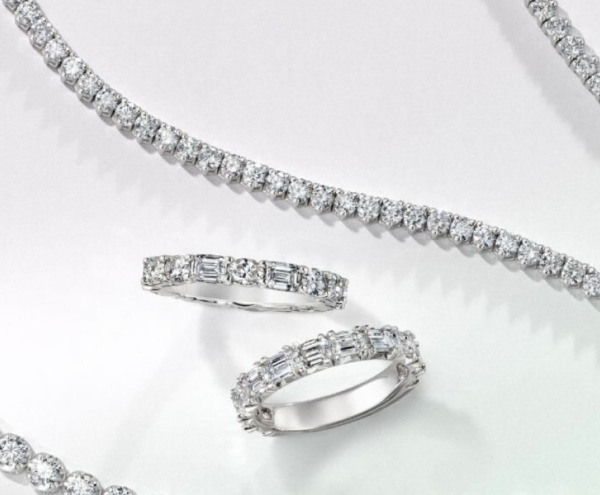
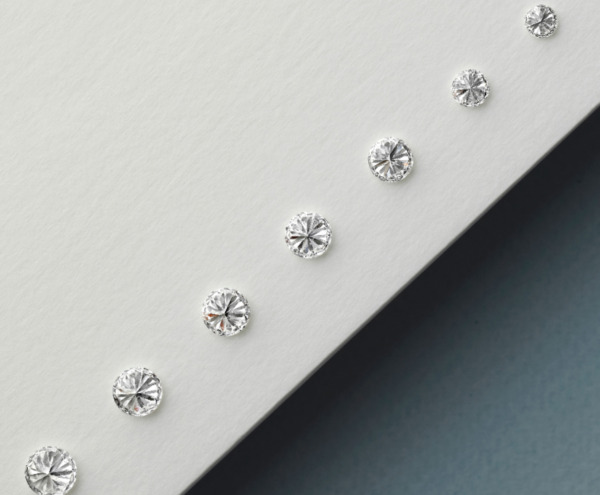

Diamonds have fascinated mankind for thousands of years. Stories from Ancient Greece, sixth-century India and 15th-century Europe reveal how humans have imbued this exquisite gemstone with different meanings, such as power, protection, and love. But one sentiment endures: a diamond is forever.
Why “a diamond is forever” still captivates us
This simple yet incredibly powerful phrase has been the slogan for De Beers since 1947. Now, it is the title of a new coffee-table book co-authored by De Beers CEO Al Cook. A Diamond is Forever: The Making of a Cultural Icon (1926-2026) celebrates the past 100 years of De Beers and explores how natural diamonds have shaped the past century. The book is full of fascinating diamond history (opens in a new window) and charts the journey of diamonds from the depths of the earth to the most emotionally significant and desirable gems we know and love today.
The meaning of a diamond
Real diamonds were created by nature more than a billion years ago. They are inherently precious and valuable, timelessly elegant, and mesmerizingly beautiful. It is this unique combination of characteristics that makes diamonds the ideal symbol of lifelong commitment. The role of diamonds may have evolved over the generations, but the idea that a diamond is forever has never changed.

Diamonds and Royalty: treasures for the aristocracy
Until around a century ago, diamonds were the preserve of royalty and the elite. Sales of diamond jewelry were arranged through private consultations, and royals often commissioned bespoke pieces. This exclusivity means that some of the most impressive and famous diamonds are found in royal collections.
Queen Victoria owned a dazzling array of jewels, mostly commissioned by her adoring husband Prince Albert, including a sapphire and diamond coronet that she wore on state occasions and in a famous 1842 portrait by Franz Xaver Winterhalter.
But the most magnificent diamond is the Cullinan Diamond, the largest colorless diamond in the world, which is set in the Sovereign’s Sceptre as part of the British Crown Jewels. This extraordinary diamond is the largest stone cut from the original Cullinan diamond, the biggest gem-quality rough diamond ever discovered. Found in 1905 in South Africa, it weighed 3,106 carats and was masterfully cut into several large diamond stones by the Asschers of Amsterdam.
Before the 20th century, diamonds were treasures only for the aristocracy, designed to elicit awe and demonstrate the permanence of their power and status. The public could only imagine the brilliant wonders of these diamonds by looking at portraits or advertisements.
Diamonds were also gifted to commemorate important occasions and as gestures of love. Two traditions that converged into a new social custom: the diamond engagement ring.


How diamonds have become the ultimate symbol of love
It was Harry Oppenheimer, director of De Beers in the 1930s, who saw the potential for diamonds to fulfil an emotional need: how to express the most profound feelings of love.
Determined to bring the royal tradition of gifting diamonds for an engagement to the masses, he sailed to America and devised a marketing campaign with the advertising agency N.W. Ayer. The aim was to reinforce the emotional value of diamonds (opens in a new window), positioning them as the ultimate expressions of commitment and love.
As World War II intensified, so did the need for a memento of love to sustain wartime romances. A diamond engagement ring was the perfect promise of forever, embodied in the beauty and strength of a diamond.
The De Beers advertisements from this time reflected a beautiful, sentimental, and deep expression of love. The illustrations by famous artists displayed idyllic and poetic scenes that painted a picture of hope and happiness in a post-war world. Natural diamonds, and their promise of forever, were at the center of this ideal. One advert from 1940 illustrated by Pablo Picasso carries these words: “Diamonds for centuries have been the brilliant messengers of unspoken secrets in the heart. In his gifts of them a man leaves earth’s most brilliant record of his love, his pride of family.”

The birth of an iconic slogan
In 1947, Philip Mountbatten proposed to Princess Elizabeth with a diamond engagement ring, lending royal approval to this new romantic act. That same year, a copywriter named Frances Gerety coined the immortal phrase ‘A Diamond is Forever’. The slogan has been used by De Beers ever since and was later voted the greatest slogan of the 20th century by Advertising Age.
Diamonds and Celebrity: the height of glamour
By the 1950s, movie stars were the new royalty, and their jewels of choice were, naturally, diamonds. Stars such as Marilyn Monroe, Elizabeth Taylor, and Grace Kelly were frequently seen wearing diamonds in movies, at Hollywood events, and at high-society galas. These women in the spotlight created an aspirational image of glamour, elegance, luxury, and success.
Several iconic moments over the second half of the 20th century served to enhance the allure of diamonds. In Gentlemen Prefer Blondes (1953), Marilyn Monroe sang ‘Diamonds Are a Girl’s Best Friend’ dripping in jewels. In 1969, Richard Burton gifted Elizabeth Taylor a 69-carat pear-shaped diamond, an immense symbol of the couple’s intense love. Two years later, James Bond returned in Diamonds Are Forever (1971) with its iconic theme song immortalized by singer Shirley Bassey.
These Hollywood moments and celebrity proposals (opens in a new window) were suffused with love, adoration, glamour, and wealth. But they also framed a new idea of diamonds and female empowerment. Diamonds were no longer only gifts of love; they were entering a new era of self-expression and personal achievement.


The meaning and cultural impact of a diamond is forever
Throughout the 1970s, women’s rights advanced and the cultural landscape changed. While diamonds remained central to love stories, they also came to represent self-worth, identity, and feminine power. Diamonds began to lend their symbolism of beauty, strength, and forever to different moments in people’s lives, such as anniversaries, births, and career milestones.
At the same time, diamond jewelry became more playful and expressive, perhaps a shimmering brooch for a boot, a stunning scarf pin, or a seductive anklet. There was a new fashion for diamonds for men, too.
Then, the 1980s burst into being as the decade of excess, and diamonds welcomed the extravagance. Tapping into this new generation of wealth and ostentation, De Beers promoted diamond solitaires of ‘a carat or more’. The bigger the diamond; the deeper the commitment. Forever was now supersized.
Legendary diamonds that shaped history
The De Beers Centenary Diamond epitomized the grandiose sentiment of the time. Unveiled in 1991, the 274-carat stone is flawless, colorless, and cut in a unique heart shape, an extraordinary symbol of the everlasting connection between diamonds and love.
A few years later, another diamond became famous: the Millennium Star diamond. This 203-carat flawless pear-cut diamond was presented as the centerpiece of the Millennium Jewels Collection to celebrate the new millennia.
Showcased at the Millennium Dome in London, the allure and value of these scintillating stones was irresistible. In November 2000, a local gang planned to steal the diamonds and escape down the River Thames by speedboat. But their plan was intercepted, and the diamonds remained safe.

Why the story still matters today
Precious, mesmerizing, timeless, and strong, natural diamonds (opens in a new window) will always be irresistible, and a profound representation of connection and permanence.
Today, natural diamonds are as desirable as ever, and they are more attainable, too. Fashion and affluence see us wearing diamond jewelry for everyday style. We buy diamonds as spontaneous treats as well as for major life moments. But the true reason we desire diamonds is because they hold a promise that the way we feel in a certain moment will endure forevermore.
As noted in the book ‘A Diamond is Forever’, “One thing has never changed: the belief that diamonds are the perfect way to mark the most important moments in life. A diamond is forever and ever.”
Discover the book: a must have for diamond lovers
A Diamond is Forever: The Making of a Cultural Icon (1926-2026); published by Assouline, available now
FAQs
What makes diamonds so rare?
Natural diamond formation (opens in a new window) begins deep beneath the earth’s surface, requiring immense pressure and high temperatures in order for carbon atoms to crystallize into diamonds. This process takes millions to billions of years. It is this combination of pressure, temperature and time that make diamonds a rare part of earth’s geological history; a process that is very difficult to replicate.
It is for this reason that natural diamond jewelry hold its value and significance, ideal for special occasions, milestones and as heirloom diamonds (opens in a new window) that stay in families for generations, each one continuing its journey above the earth’s surface. This unique journey reinforces the narrative behind ‘A diamond is forever’ slogan – that diamonds represent more than just beauty, they are an exceptional part of earth’s unique geological history.
What role does diamond color play in value?
The color of a diamond significantly impacts its value and appearance. The GIA grades diamond color (opens in a new window) on a scale from D (colorless) to Z (light yellow). Traditionally, diamonds at the colorless end of the scale are rarer and more valuable but the inclusions of color in natural diamonds also signifies a uniqueness that is increasingly desirable in diamonds jewelry. It is important to note that fancy color diamonds, including pink, blue and bright yellow are graded separately based on saturation rather than absence of color. These type of diamonds are often highly prized among diamond collectors.
Why do diamonds remain popular for engagement rings?
So why are diamonds often used for engagement rings (opens in a new window)? The answer lies in the rarity and value explained above as well as the symbolism of an engagement ring in cultural traditions and via influences. As one of the most important purchases you can make, natural diamond jewelry represents commitment, permanence and, thanks to its rare journey from the depths of the earth, a unique emotional significance. Their natural beauty, durability and timeless aesthetic make them ideal for jewelry worn daily.


