
An heirloom diamond is rarely just jewelry. It might start as an engagement ring, a milestone gift or a personal indulgence, but over time it becomes something richer: part memory, part family history, part future inheritance. That’s the appeal of natural diamonds. Formed billions of years ago and prized for their rarity, durability and emotional weight, they’re uniquely placed to be worn now, treasured later and passed on for generations.
What is an heirloom diamond?
An heirloom diamond is a natural diamond passed from one generation to the next, carrying meaning far beyond the moment it was first given. Over time, an engagement ring, bracelet or pendant becomes something more personal: a piece of family history.
Part of that appeal lies in diamond history (opens in a new window) itself. Formed deep within the Earth billions of years ago, natural diamonds are among the oldest things we’ll ever wear. First discovered in Ancient India more than 2,000 years ago, they were prized for their rarity and believed to hold protective powers.
That enduring appeal also helps explain why diamonds are used for engagement rings (opens in a new window). Rare, resilient and rich in symbolism, they have long marked love and commitment. Whether inherited or newly chosen, an heirloom diamond connects the past to what comes next.

The benefits of using an heirloom diamond
Emotional meaning and symbolism
Natural diamonds have long marked life’s biggest moments, from anniversaries and milestone birthdays to graduations and new arrivals. It’s what makes them such enduring diamond gift ideas (opens in a new window): chosen not just for how they look, but for what they come to mean.
Passed down over time, heirloom diamonds become more than jewelry. They carry memory, sentiment and family ties. Natural diamonds hold value (opens in a new window) both in rarity and demand, but it’s often the stories they collect, and the lives they pass through, that prove most valuable of all.
Individual uniqueness (no two diamonds the same)
No two natural diamonds are ever exactly alike, and that’s part of their appeal. The story begins with natural diamond formation (opens in a new window): created deep within the Earth’s mantle billions of years ago, then brought to the surface by volcanic eruptions. It’s a process that gives each real diamond (opens in a new window) its own distinct character.
From cut to clarity to the color of diamonds (opens in a new window), every detail is shaped by nature, never repeated in quite the same way. That individuality is what makes natural diamonds feel so personal and so suited to becoming heirlooms, worn, loved and passed on with a story of their own.
Exceptional durability (long lifespan)
Natural diamonds are built to last. Formed under immense heat and pressure, their atomic structure makes them the hardest natural material on Earth, ranking a 10 on the Mohs Hardness Scale. It’s this exceptional durability that allows them to be worn daily, then passed down, still intact, decades later.
Even the word diamond hints at that permanence, rooted in the Greek adamas, meaning invincible. Few things are made to last quite like that.
Natural diamonds’ long-term value perception
Natural diamonds have long held their value, their rarity keeping them in demand for generations.
But ask anyone who has inherited one, and its worth rarely feels purely financial. It’s in the stories attached to it, the people who wore it and the moments it marked.
That ability to gather history is what makes natural diamonds such compelling heirlooms. Take the Koh-i-Noor: one of the largest cut diamonds in the world, valued at more than $500 million and set in the crown most famously worn by Queen Elizabeth II. It’s not just its size that makes it such a marvel, but the centuries of royal history, intrigue and provenance attached to it, proof that a diamond’s value deepens over time.
Heirloom diamonds vs LGD
If you’ve ever wondered what a lab-grown diamond is (opens in a new window), it’s a diamond created in a laboratory using technology designed to replicate the natural growing process. While LGDs may look like natural diamonds at first glance, there are key differences, especially when thinking long-term.
Made in factories using methods like High Pressure High Temperature (HPHT) and Chemical Vapor Deposition (CVD), LGDs can be produced and sold in a matter of weeks. That speed creates scale, but not rarity. And on the resale market, that abundance has seen LGDs lose more than 80% of their value over the past five years.
The real difference is what time gives a diamond. Natural diamonds are finite, formed over billions of years, bringing with them rarity, permanence and a history that can’t be replicated.
That’s what makes an heirloom diamond. Not simply how it looks, but how it lasts, and what it comes to carry over time.
How to restore heirloom diamonds
Not every inherited piece will feel like your style. But restoring or redesigning diamond jewelry (opens in a new window) is often how heirlooms find new relevance, becoming part of a modern diamond jewelry collection (opens in a new window) while holding on to the history that made them worth keeping.
Step 1: Start with a professional inspection
Before making any changes, have a jeweler assess the setting, prongs and diamond for signs of wear or damage. Understanding the 4Cs of diamonds (opens in a new window), particularly cut and clarity, can also help guide how a piece is worn and reset. A jeweler can walk you through a diamond clarity guide (opens in a new window), helping you understand where inclusions sit and why that matters when resetting a piece.
Step 2: Clean and polish
A professional clean can transform a piece, bringing back its brilliance and restoring the setting to its best.
Step 3: Reset or redesign
Whether it’s an engagement ring, pendant or bracelet, resetting a diamond into a new design can give it new relevance while making it easier to wear today. Consider updating the setting, switching metals or simplifying the design to better suit your style. A good jeweler can help you keep the original character of the piece while making it feel entirely your own.
Step 4: Keep what matters
When redesigning an heirloom, think about which details still feel essential, whether that’s the original cut, setting or an engraving. These are often the elements that keep the piece connected to its past, even in a new design.

Caring for diamond heirlooms designed to last a lifetime
Natural diamonds are famously durable, but even the hardest gems benefit from proper care .
At-home cleaning
A simple clean with warm water, mild soap and a soft brush is often enough to keep heirloom diamonds looking their best. Avoid harsh chemicals or abrasive materials that can wear down the setting.
Professional maintenance
An annual check-in with a jeweler can help spot loose prongs, worn settings or signs of damage before they become bigger issues. Professional cleaning can also restore brilliance that everyday wear tends to dull.
Safe storage
When not being worn, store diamond jewelry separately in a soft-lined box or pouch to avoid scratching other pieces or damaging delicate settings.
And while care matters, heirlooms are made to be worn. After all, wearing them is what keeps their story alive.


Why heirloom diamonds endure
Heirloom diamonds have a way of outlasting almost everything else. Formed over billions of years and shaped by the lives they move through, their value only deepens with time. Whether inherited, restored or chosen with the future in mind, they remain one of the few possessions that can hold history, meaning and beauty all at once.
FAQs
What are desert diamonds and how are they different?
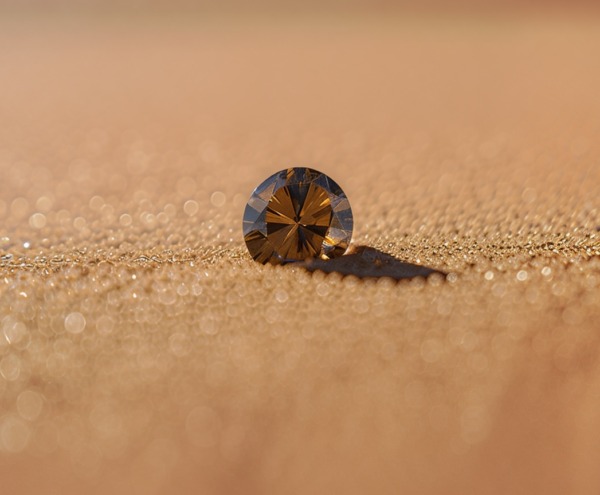
If you’ve ever wondered what desert diamonds are (opens in a new window), they’re natural diamonds known for their warm, earthy tones, from Champagne and Honey to Whiskey and Sunset Brown. Their color comes from the geological conditions in which they formed, making them a striking example of how varied natural diamonds can be, and how every diamond carries its own story.
Do diamond shapes or styles influence heirloom appeal?
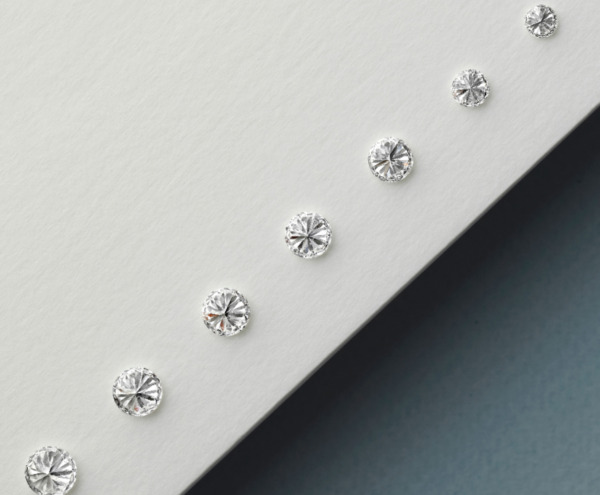
To a point. Different diamond shapes (opens in a new window) can make a piece feel more classic or contemporary, with a round brilliant remaining one of the most classic and widely loved. But heirloom appeal is rarely about shape alone. Over time, it’s the story behind the piece, and the life it’s lived, that makes it worth passing down.
Should heirloom diamonds be chosen with proposals in mind?
Often, yes. For many couples, proposal planning (opens in a new window) is where an heirloom begins. The ring chosen in that moment can become part of a family’s history, carrying its significance long after the proposal itself.
Sources
- www.naturaldiamonds.com/diamond-jewelry/diamond-value/ ↩︎
- Ajediam.com, The Ajediam historical diamond prices chart ↩︎
- Sotheby’s International Realty, The most expensive diamonds in the world ↩︎
- International Gem Society, Lab-grown diamond production methods ↩︎
- International Gem Society, Identifying synthetic diamonds ↩︎
- Forbes, Lab-grown diamonds boom ↩︎


