
Answer
Vintage fine jewelry carries the romance of a bygone era, but its age and history make careful evaluation essential. Before buying, check its age, condition, markings, and repair history. Ask whether any settings, gemstones or other details have been replaced or altered, and request documentation if available. For pieces with diamonds, an independent grading report can verify identity and assess quality.
Key takeaways
What counts as “vintage” vs. “antique” fine jewelry?
Although the terms are often used interchangeably, they describe very different things. The GIA defines antique jewelry as more than 100 years old. Vintage refers to jewelry that is not yet old enough to be considered antique. Estate jewelry is previously owned and can be antique, vintage or contemporary.
These distinctions matter because many modern pieces are inspired by the past without actually being vintage. Taylor Swift’s engagement ring (opens in a new window) is a prime example. The ring pairs an antique-inspired design with an old-mine cut (opens in a new window) diamond, a cutting style from the 18th and 19th centuries. However, these details do not make the ring antique.

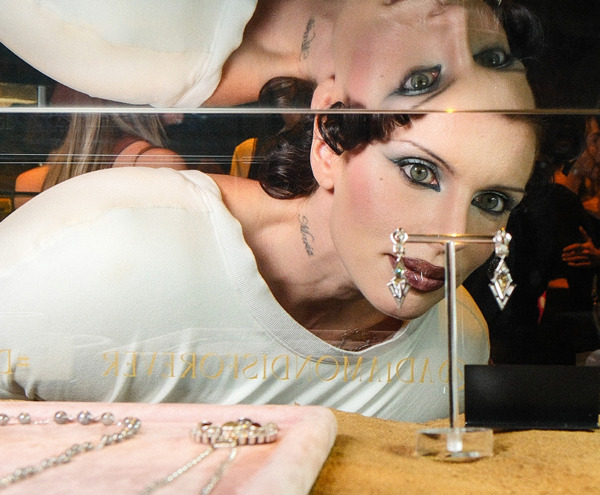
Credit: Fred Leighton

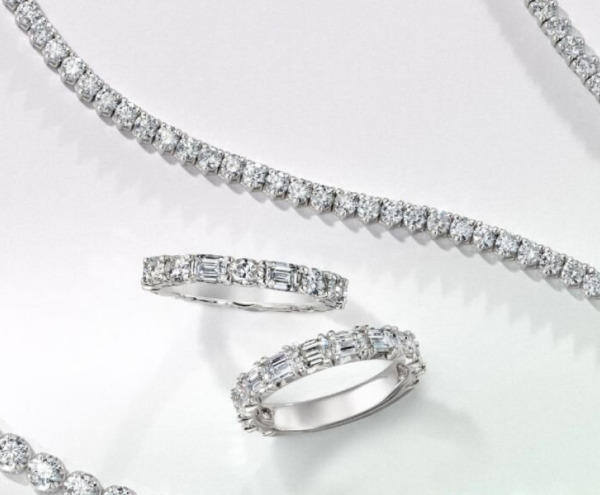
Credit: Fred Leighton
How can you tell if a piece of vintage jewelry is authentic?
Identification clues lie in the details. Maker’s marks can help identify a manufacturer, sponsor, retailer, or importer. Hallmarks can identify precious metal fineness and, depending on the hallmarking system, may also indicate where and when an item was marked. Hallmarks can be compared to a diamond’s independent grading report.
When examining the jewelry, check the condition of the setting and ensure that the gemstones are secure. Always ask about previous repairs or any replacements on the piece. The GIA recommends looking for damaged gemstones and scratches on the metal when buying older jewelry. These clues can shed light on a piece’s history, but none provides conclusive proof of age or authenticity on its own.
For diamond pieces, an independent grading report can make all the difference. It can establish whether it is a natural diamond and provide an independent quality assessment. However, GIA states that its grading reports do not determine a diamond’s age or when it was cut.

Where should you buy vintage fine jewelry?
The first step is to choose an established specialist dealer, vintage jeweler, or reputable auction house. Enquire about the piece’s age, condition, repair history and whether the gemstones are original.
Proper documentation is a link to the past, and the GIA recommends obtaining a receipt with a written description of an estate piece. This can include the approximate age and the materials used in its construction. Where possible, request a grading or gemological grading report.
How do you care for and preserve vintage jewelry?
Handle it gently, clean it with as little as possible, and have a jeweler check it regularly. GIA advises that vintage jewelry can be cleaned with just water and a soft, lint-free cloth.
Keep it away from household cleaners, which often contain ammonia that can be too harsh for vintage pieces. Chlorine bleach should also be avoided as it can pit gold alloys. Hairspray, lotion and perfume can also damage delicate gems and metals, so it helps to keep them clear of jewelry.
Store each piece separately in a padded box or pouch rather than loose in a drawer, where it can pick up scratches. Have the settings checked by an experienced jeweler about every six months, since prongs can loosen with age. Ultrasonic cleaning is best left to professionals, as the vibration can shake gems loose.

FAQs
Is vintage fine jewelry a good investment?
It depends on the piece. Age alone doesn’t guarantee future value. Rarity, hallmarks, traceability, materials, condition and craftsmanship all play a role. For buyers interested in building a diamond jewelry collection (opens in a new window), these factors are worth considering alongside personal taste.
Do vintage diamonds differ from newly mined diamonds?
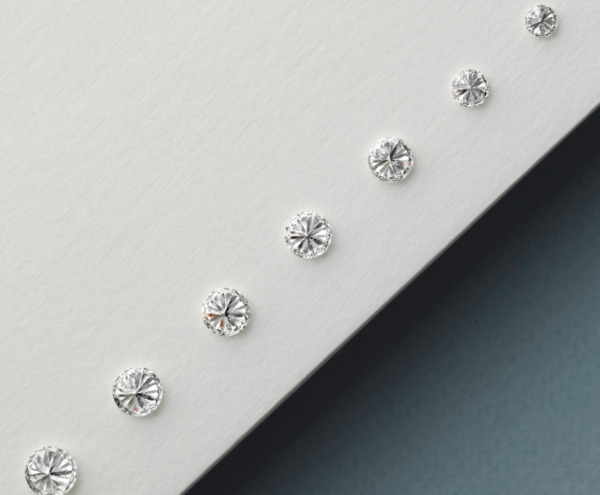
Vintage diamonds are natural diamonds that have been set in older jewelry. They often feature old mine and old European cuts that have distinctive proportions and facet patterns. The 4Cs of diamonds (opens in a new window) can be used to assess their quality.
Can vintage jewelry be resized or repaired safely?
Yes, but it depends on the piece. Age and wear and tear, combined with previous repairs, can make alterations more complex. Sentimental pieces and heirloom diamonds (opens in a new window) should be assessed by an experienced jeweler before making permanent changes.
Are reproduction pieces the same as vintage jewelry?
No. Reproduced or vintage-inspired jewelry is only made to resemble genuine vintage pieces. If a diamond’s origin is uncertain, professional testing can help determine whether it’s a real diamond (opens in a new window) and whether it’s natural or lab-grown.
Sources
- GIA. How to Shop for Antique and Vintage Engagement Rings. https://4cs.gia.edu/en-us/blog/shop-antique-vintage-engagement-rings/ (opens in a new window)
Accessed September 29, 2026 - Gemological Institute of America (GIA). Old Mine Cut Diamond Guide. https://4cs.gia.edu/en-us/blog/old-mine-cut-diamond-guide/ (opens in a new window). Accessed Oct. 7, 2026.
- GIA. General Gemology and Jewelry. https://www.gia.edu/gems-gemology/fall-2018-posters-general-gemology-jewelry (opens in a new window)
Accessed September 29, 2026 - GIA. Antique Diamond Cuts. https://4cs.gia.edu/en-us/blog/antique-vintage-diamond-shapes-engagement-rings/ (opens in a new window) Accessed September 29, 2026
- GIA. Tips For Buying Jewelry. https://4cs.gia.edu/en-us/blog/ten-tips-buying-jewelry/ (opens in a new window)
Accessed September 29, 2026 - GIA. Secrets to Keeping Your Diamond Sparkling. https://origin.dev.author.gia.edu/gia-news-research-secrets-keep-diamond-sparkling (opens in a new window)
Accessed September 29, 2026


