
Answer
When it comes to buying a natural diamond, collectors will look for ones that have certified independent grading reports. They will also consider the unique characteristics that make a natural diamond distinctive. The 4Cs of diamonds (opens in a new window) (cut, color, clarity and carat) should all be taken into account when purchasing a diamond, while rarity, geographic origin, cutting styles and provenance will also shape collector interest. Traceability platforms such as Tracr can provide a secure record of a natural diamond’s origin and journey from source, which is important when valuing a natural diamond for purchase or resale.
Key takeaways
Does origin matter to diamond collectors?
Origin is very important to collectors, especially when the diamond is also reliably documented and traceable. The geographic origin doesn’t change the gem’s 4Cs grading, but it can identify where a natural diamond (opens in a new window) was first discovered and give context to its journey. This confirms the authenticity and journey of a diamond, which offers full transparency to buyers and collectors.

Eligible diamonds submitted to GIA’s Diamond Origin service while still in rough form will receive a GIA Diamond Origin Report which can confirm the diamond’s country of origin and provide 4Cs grading information. Tracr can provide an additional record of a natural diamond’s provenance and journey from source. For collectors, this documentation provides evidence of a diamond’s history rather than relying on a seller’s word.
Does cut matter more than size?
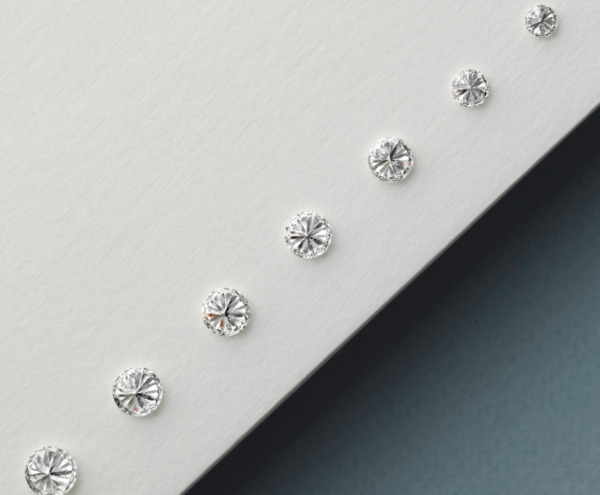
Diamond carat (opens in a new window) measures weight, while cut describes how a diamond’s proportions, symmetry and facets influence its interaction with light. A higher carat weight doesn’t necessarily mean more brilliance or visual impact, which is why buyers and collectors often consider cut and carat separately.
For many collectors, the cut gives clues about when and how a natural diamond was shaped. Old Mine (cushion) and Old European cuts showcase aesthetics and craftsmanship of a bygone era. These antique diamond styles (opens in a new window), with their distinctive proportions, often set them apart from more modern cuts.

Which diamond characteristics command a premium?
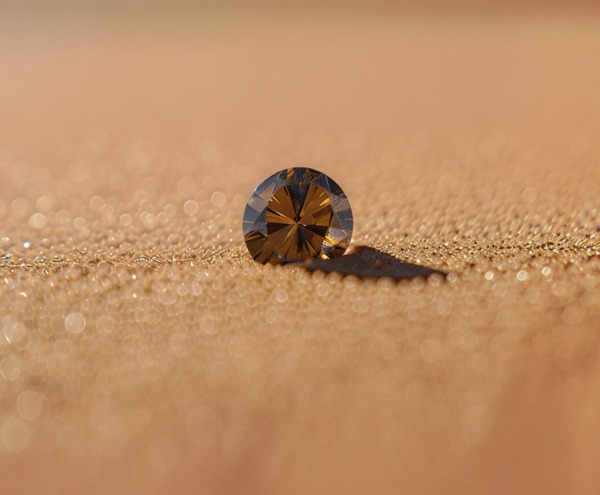
Natural diamonds with rare features are highly sought after. These can include larger carat weights combined with rare combinations of characteristics, as well as fancy color diamonds (opens in a new window) with rare saturated hues.
For fancy color diamonds, color is the most important value factor. GIA notes that hue, tone and saturation all play a role, with some intense and vivid colors being exceptionally rare. Saturated pinks, blues and greens are among the rarest and most valuable fancy colors, while red diamonds are exceptionally rare.

Credit: @De Beers (Instagram)
How to evaluate diamonds for collection
A thorough evaluation should start with independent grading and documentation. The grading report, such as the ones conducted by the GIA, records characteristics such as clarity, color and carat weight, with a cut grade included where applicable. Traceability and geographic origin can add to a natural diamond’s story, appeal and value.
Every natural diamond has a unique set of characteristics, so an evaluation should consider the complete picture rather than any single aspect. Collectors look for rare 4Cs combinations, as well as distinctive characteristics. When building a diamond jewelry collection (opens in a new window), this can mean looking beyond individual grading characteristics to consider what each diamond adds to the collection.

Credit: @De Beers (Instagram)
FAQs
Are antique diamonds more valuable?
While age is sought after, it doesn’t always determine a natural diamond’s value. Quality, rarity, craftsmanship, condition and a documented history all contribute to the final value. Antique cuts like Old Mine (cushion) and Old European are prized for their distinctive proportions and period character. For collectors interested in heirloom diamonds (opens in a new window), that historical appeal can be a vital part of a diamond’s allure.
Are vintage diamonds collectible?
Yes. Vintage natural diamonds feature distinctive cuts and diamond crafting (opens in a new window) connected to a particular period. A well-documented ownership history (provenance) can add further context and value to a piece.
How do experts grade diamonds?
Laboratories such as the Gemological Institute of America (GIA) assess natural diamonds using the 4Cs of diamonds (opens in a new window): cut, clarity, color and carat weight. A grading report records these characteristics and can include additional measurements or inscriptions. Some reports may provide additional information about geographic origin.
What should investors consider when investing in diamonds?
Collectors should always consider the complete picture. Independent grading, rarity, quality and provenance all matter. Anyone investing in diamonds (opens in a new window) should also consider factors that can affect value and possible resale.
Sources
- Gemological Institute of America (GIA), “Grading the Diamond 4Cs,” https://4cs.gia.edu/en-us/grading-diamond-4cs/ (opens in a new window), accessed 17 September 2026.
- De Beers Group, “Tracr,” 2024, https://www.debeersgroup.com/about-us/case-studies/2024/tracr (opens in a new window), accessed 17 September 2026.
- GIA. The GIA Diamond Origin Report: Diamond Traceability Based on Science. https://www.gia.edu/diamond-origin-report-service (opens in a new window)
Accessed September 17, 2026 - Tracr. Why Provenance Matters. https://tracr.com/use-case/verify-provenance (opens in a new window)
Accessed September 17, 2026 - GIA. Fancy Color Diamond Quality Factors. https://www.gia.edu/fancy-color-diamond-quality-factor (opens in a new window)
Accessed September 17, 2026 - GIA. Fancy Colour Diamond. https://www.gia.edu/fancy-color-diamond (opens in a new window)
Accessed September 17, 2026 - GIA. How to Buy a Diamond. https://4cs.gia.edu/en-us/how-to-buy-a-diamond/ (opens in a new window)
Accessed September 17, 2026


